
Last updated November 24, 2026
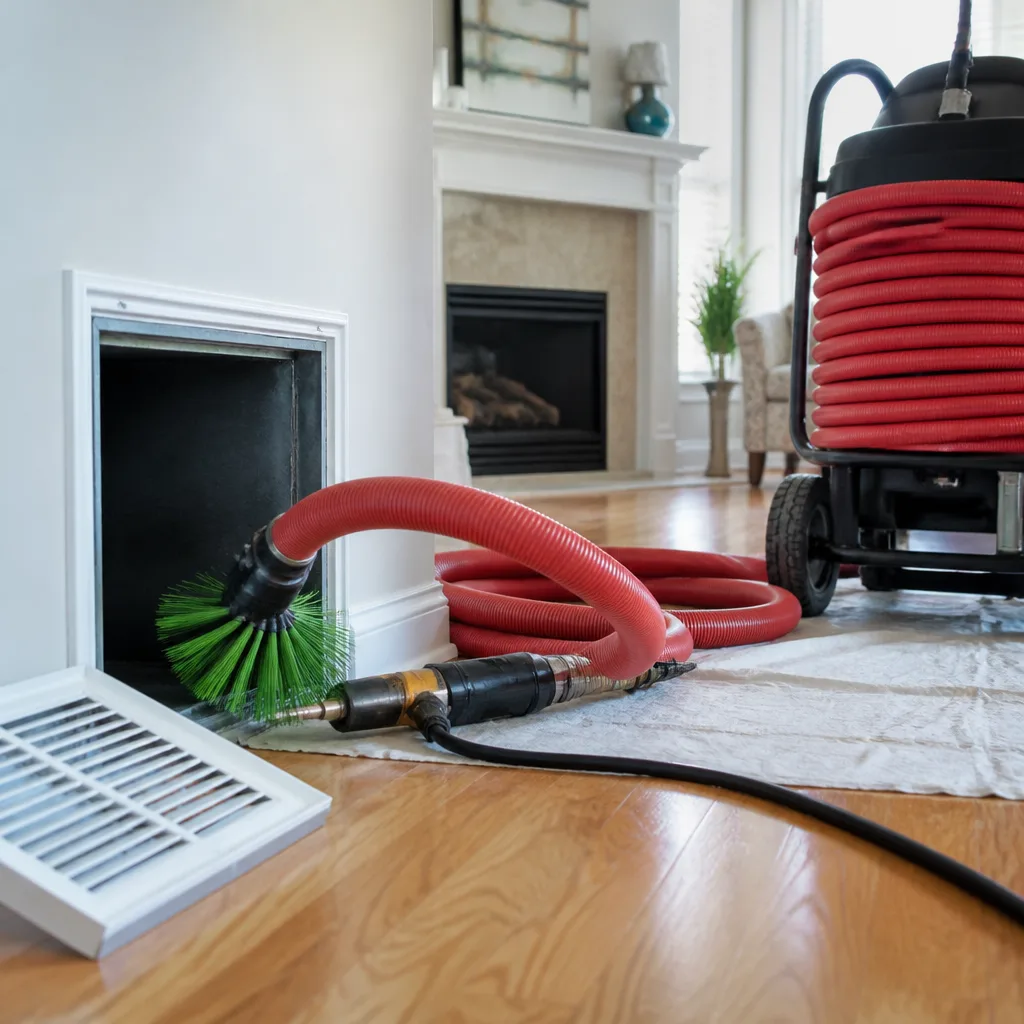 Whole-home duct cleaning
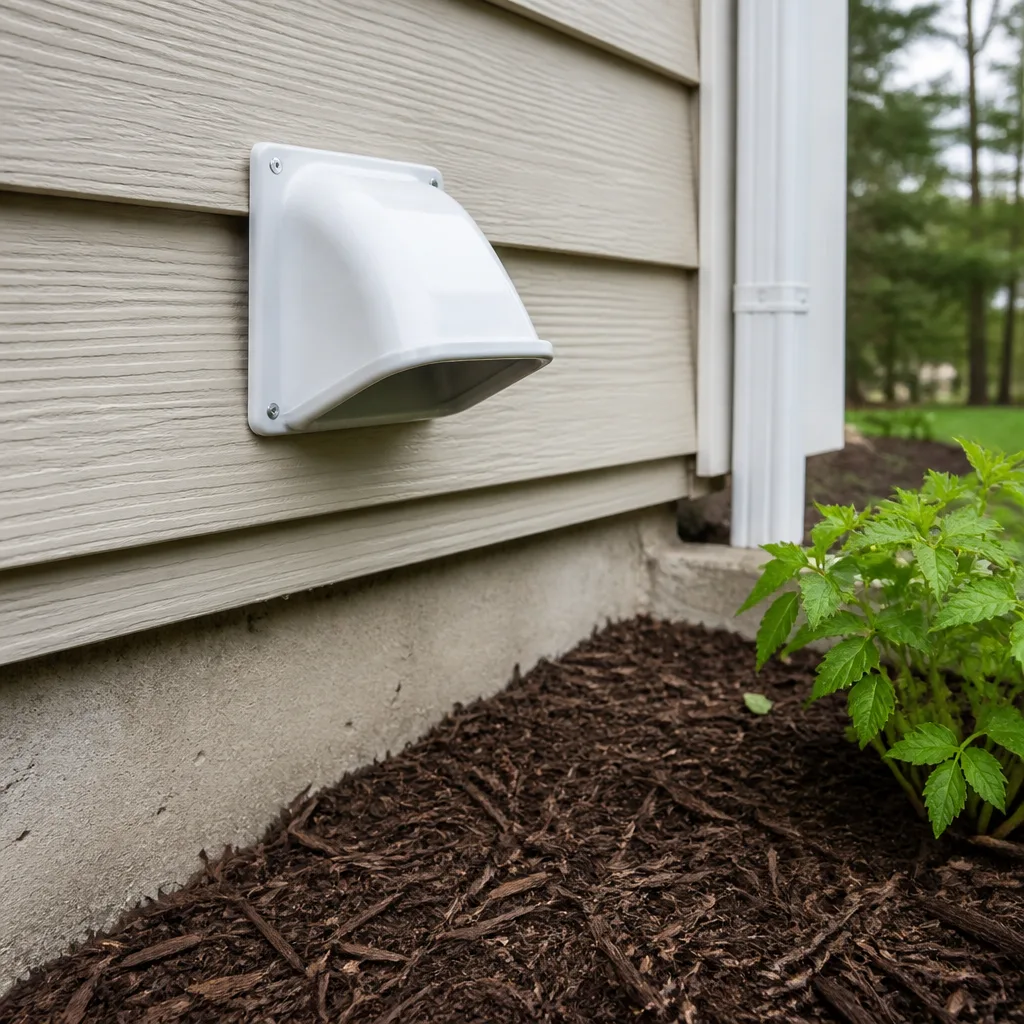 Dryer vent cleaning
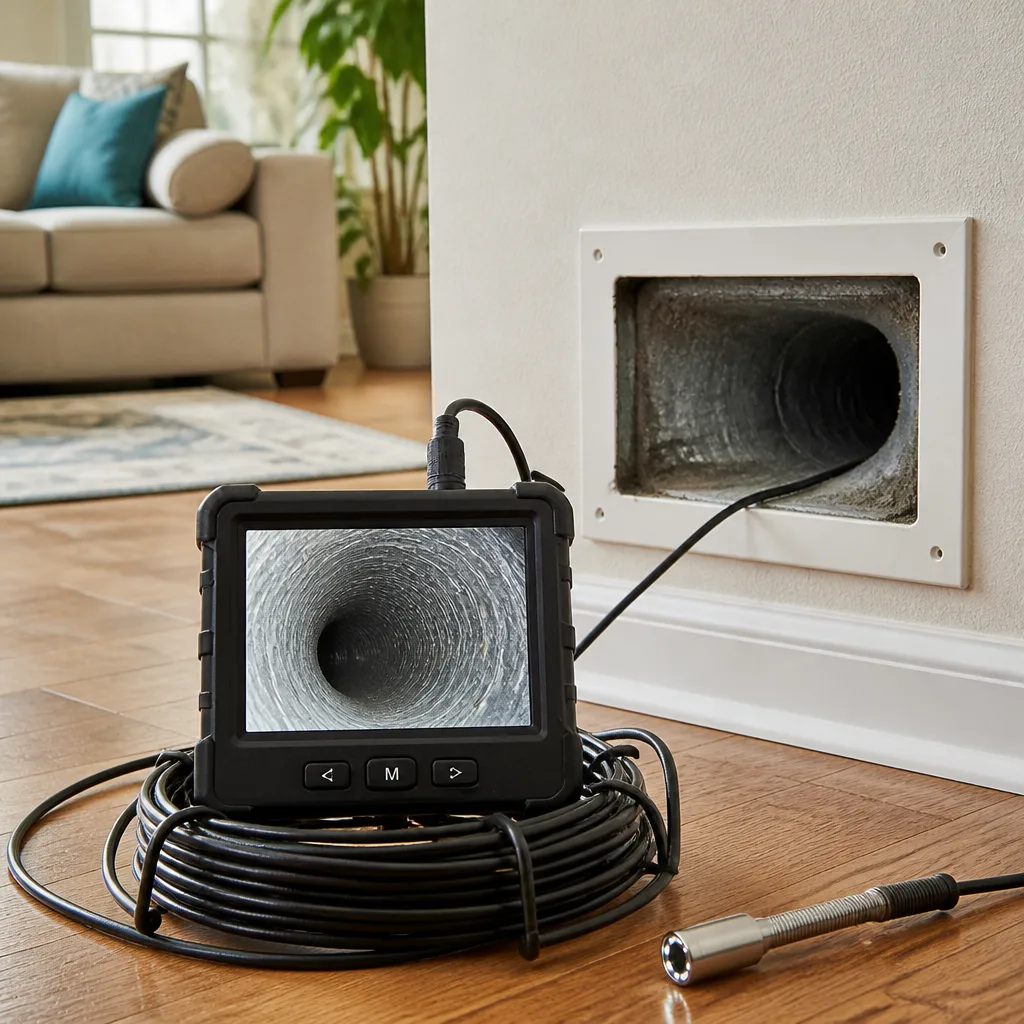 Camera inspection
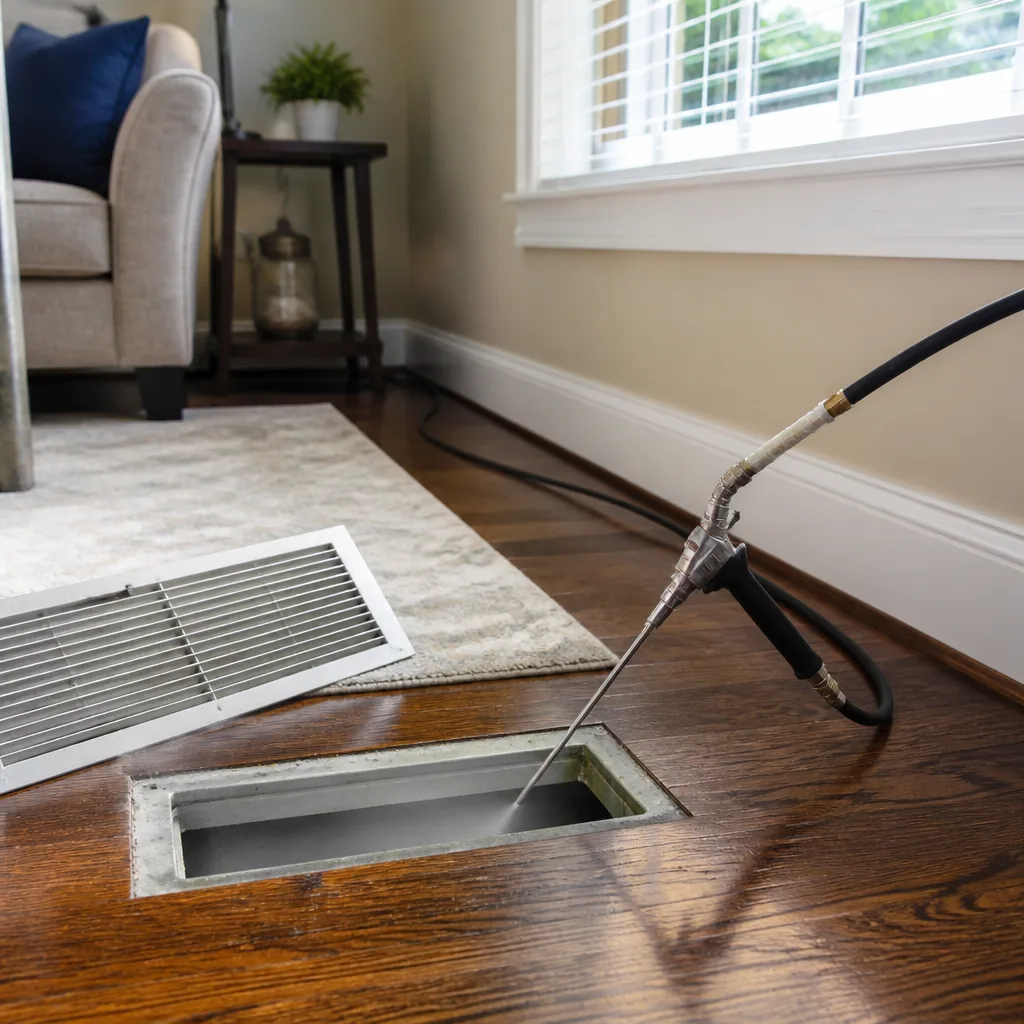 Sanitizing & deodorizing
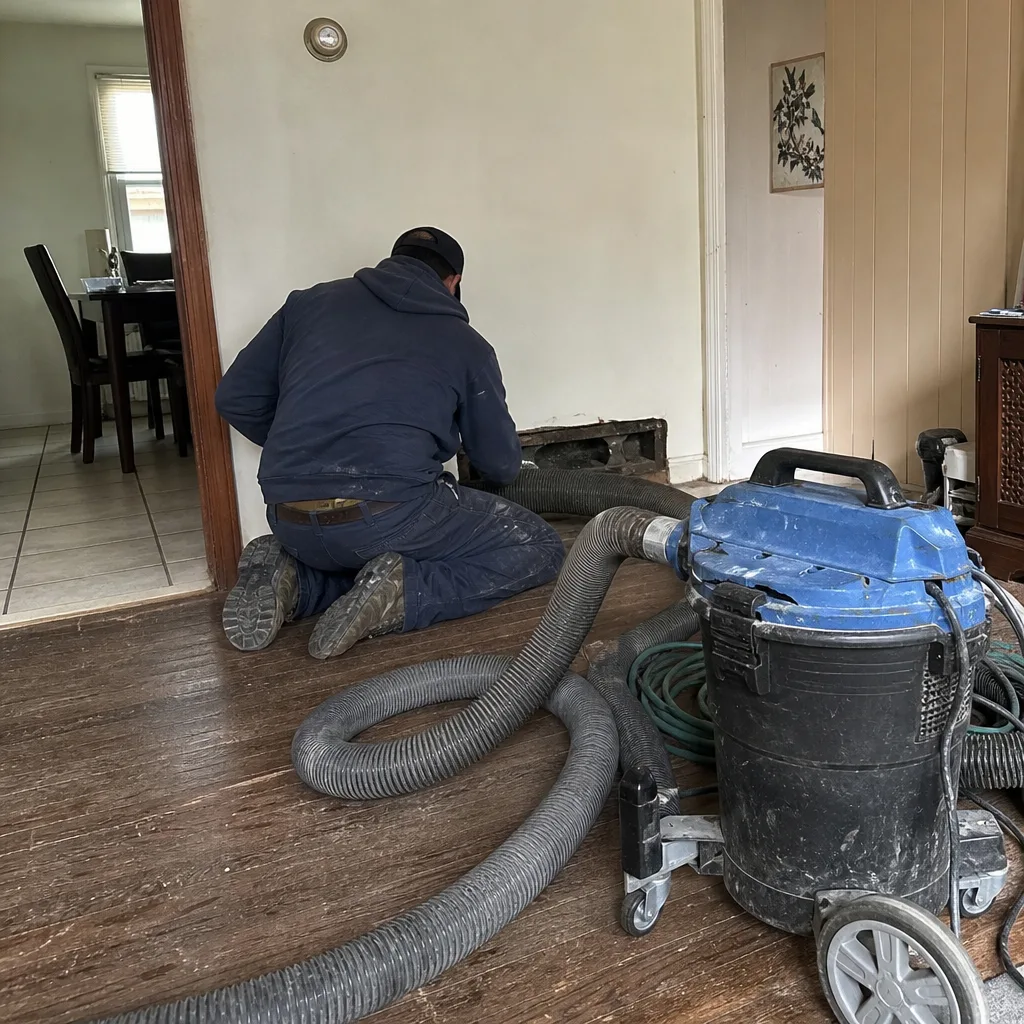
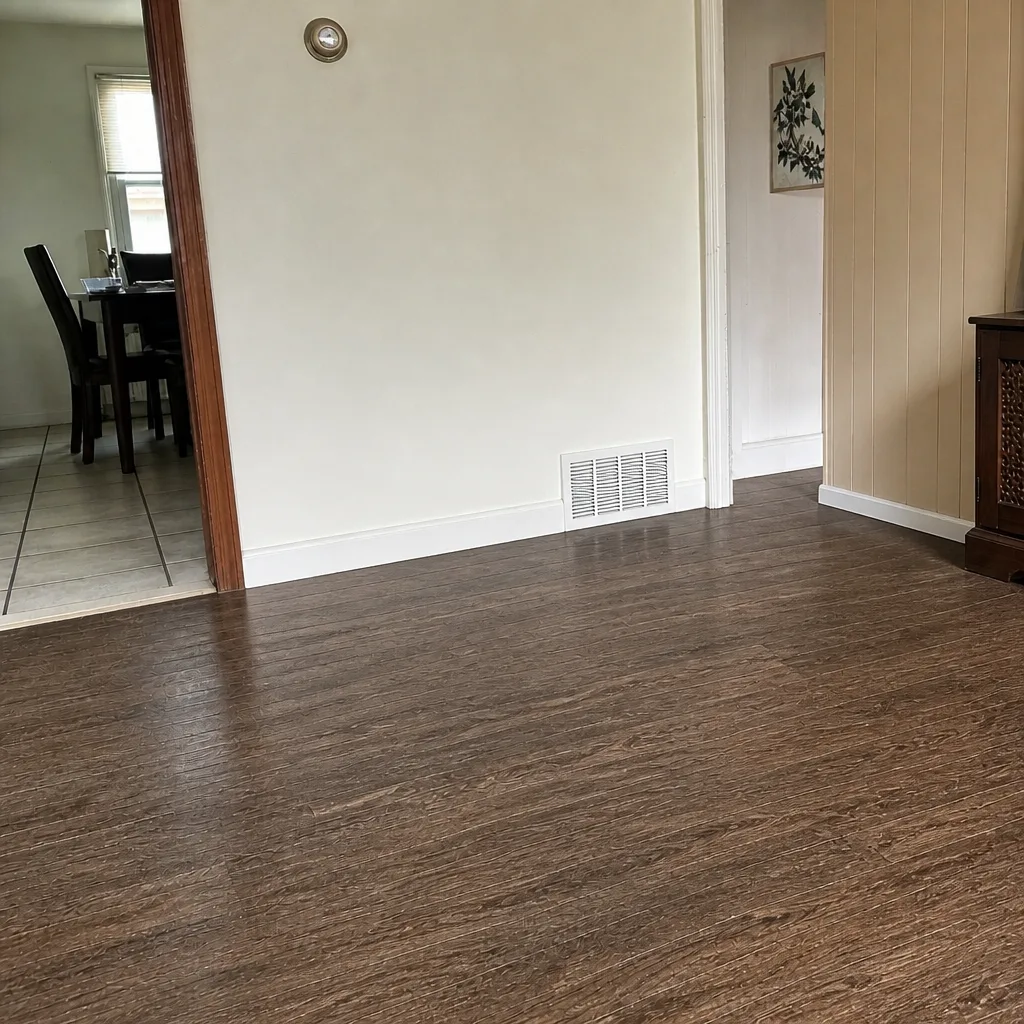
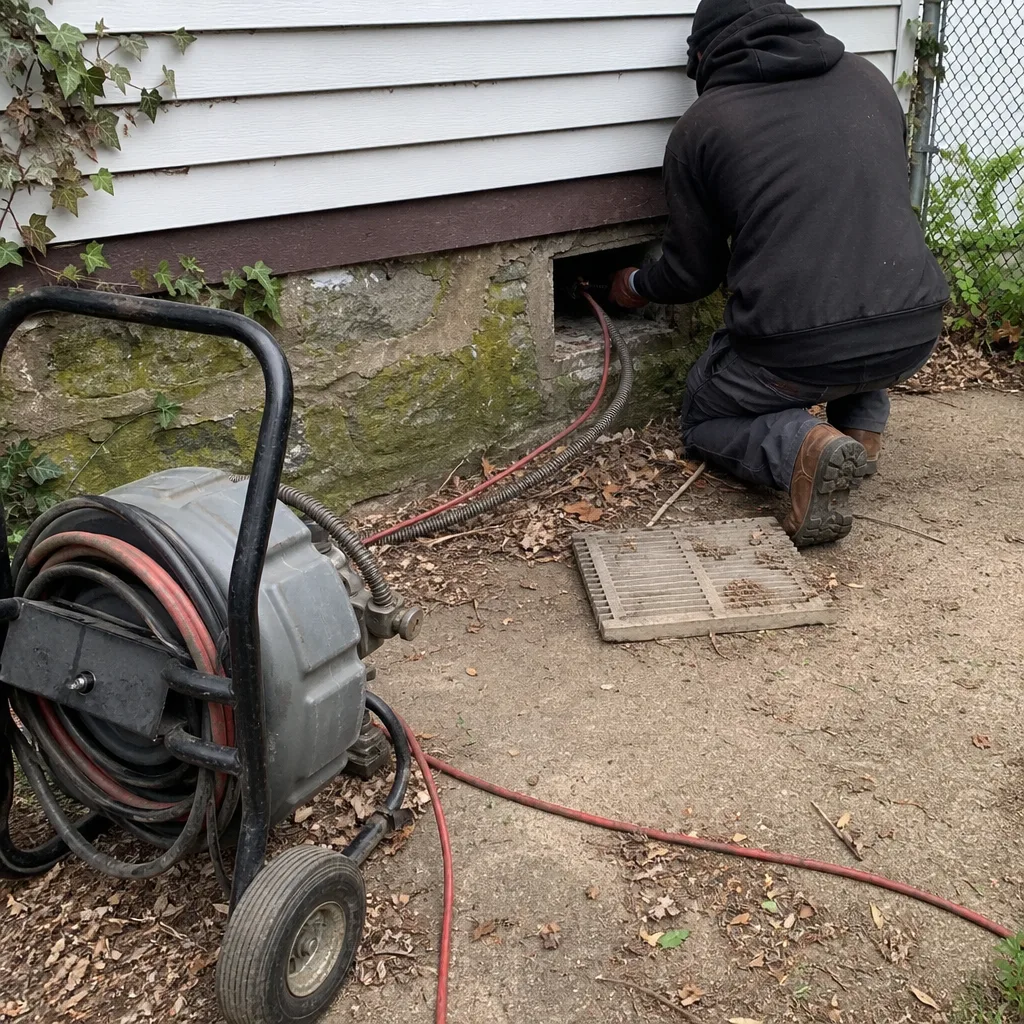
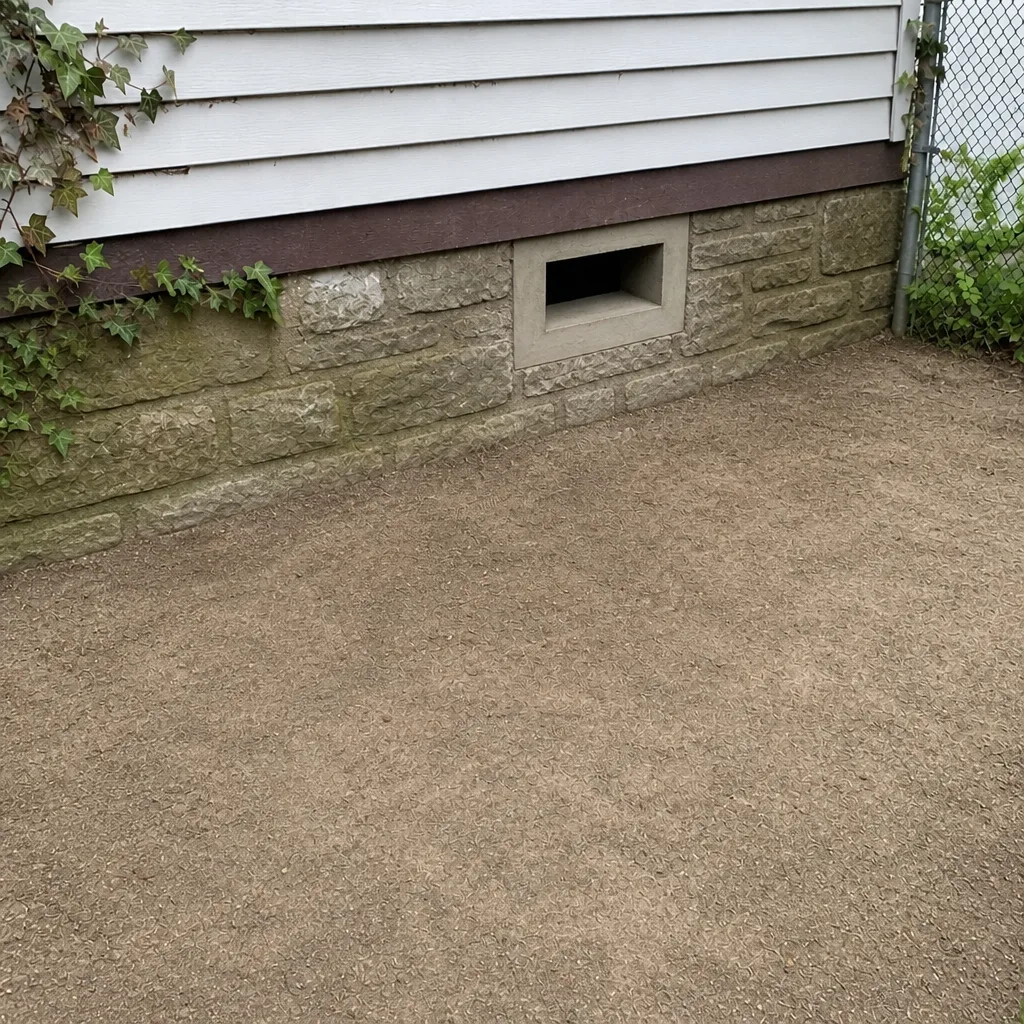
Whole-system duct and dryer vent check with before-and-after photos - you see exactly what came out of your vents
That "$99 whole-house special" is a bait ad - the real number appears once they are in your hallway, or the "clean" is a shop-vac at the register. We photograph the inside of your ducts before and after instead.
How to Hire an Air Duct Cleaning Contractor in Port Richmond: A Step-by-Step Guide
New York State does not license air duct cleaning as a trade. No exam, no state credential, no minimum equipment standard. Which means the barrier to running a “duct cleaning company” here is essentially a truck, a shop vac, and a logo on the door. That single fact should change how you hire. Price and star ratings can’t tell you whether a contractor has the vacuum capacity to actually pull debris out of your system instead of blowing it into your living room, or whether a spinning brush will chew through the thin flex duct behind your register. This guide walks through what to ask, what a real scope of work looks like before anyone starts, and how to judge equipment and process across Port Richmond homes – the older housing stock on the North Shore included.
Quick Answer
To hire an air duct cleaning contractor in Port Richmond, verify three things before booking: the equipment (a rotary brush system plus a HEPA-filtered negative-pressure vacuum with real CFM capacity), the process (source removal with containment, not just blowing air around), and the paperwork (a written scope of work that lists every component to be cleaned and priced before work begins). Ask for the contractor’s NADCA membership status and any ASCS certification, but understand what each one actually verifies. Skip any quote that’s a single flat rate for every home size, or that gets booked without a pre-inspection.
Styles & brands we work with
- Whole-home duct cleaning
- Dryer vent cleaning
- Camera inspection
- Sanitizing & deodorizing
Table of Contents
- Why Hiring in Port Richmond Is Harder Than It Looks
- What NADCA Membership and ASCS Certification Actually Verify
- The Equipment Questions to Ask Before You Book
- Red Flags in a Quote
- What a Legitimate Job Scope Should Contain
- Older Port Richmond Homes and Asbestos-Wrapped Ductwork
- The Hiring Process, Step by Step
- Common Mistakes to Avoid
- When to Call a Professional
- Frequently Asked Questions
Why Hiring in Port Richmond Is Harder Than It Looks
Port Richmond sits on the North Shore of Staten Island, and its housing stock spans a wide range. You have older detached homes with original galvanized or early flex ductwork, mid-century capes and ranches with retrofitted central air, and newer construction where the duct layout is tighter and more efficient but harder to access. Each of those systems needs a different cleaning approach. A contractor who runs the same routine in every house is not inspecting; they’re going through motions.
The other wrinkle is that duct cleaning has a reputation problem in the New York market. Cut-rate operators advertise a low headline price, then discover “problems” on site that inflate the bill. Others run a shop vac through a few registers and call it a cleaning. The vacuum volume on a shop vac is nowhere near what’s needed to move debris out of a whole duct network under negative pressure. What it does instead is stir up settled dust and contaminants into the airstream, and if that airstream is connected to your living space, you breathe it. That’s the real risk of hiring wrong here: not just wasted money, but physically disturbed ductwork or a home filled with particulate that was dormant before.
Port Richmond’s climate adds a practical dimension. Humid summers and cold winters mean HVAC systems here run hard through most of the year, and moisture in ductwork is a real concern in older homes with basement-adjacent runs. A contractor who cleans without checking for moisture, leaks, or disconnected joints is only doing the easy part of the job. This guide is built to help you filter for capability, not coupons.
What NADCA Membership and ASCS Certification Actually Verify
The National Air Duct Cleaners Association (NADCA) publishes the accepted standard for the trade: the ACR Standard (Assessment, Cleaning and Restoration of HVAC Systems). Many homeowners treat NADCA membership as a license, but it isn’t one. Here’s what it does and doesn’t mean.
NADCA membership signals that a company has chosen to join the association, pay dues, and align itself publicly with the ACR Standard. It’s a positive indicator – a company that’s engaged with the industry’s own standards is more likely to have thought through process. But membership alone doesn’t guarantee the technician at your door was trained on it, and it doesn’t audit equipment or workmanship. It also isn’t required to operate. Plenty of capable contractors aren’t NADCA members, and some members still cut corners.
ASCS certification (Air Systems Cleaning Specialist) is an individual credential, not a company one. It’s earned by a person who passes an exam on the ACR Standard, safety, and cleaning methodology. The key word is individual. If a company says “we’re ASCS certified,” the right follow-up is: who on your crew holds it, and is that the person doing the assessment and cleaning? A company can hold a credential in the office while sending a technician who’s never been trained. Ask, politely and specifically.
What to verify in practice:
- Ask whether the person who performs the pre-inspection is ASCS-certified or NADCA-trained – that’s the person evaluating your system.
- Ask what standard they work to. “The ACR Standard” is the correct answer; a blank look is not.
- Treat both credentials as a filter for seriousness, not as proof of a good job. The equipment and process questions below matter more.
- Neither credential substitutes for insurance. Ask for a certificate of general liability insurance naming the work being performed.
None of this is a knock on the credentials. They’re genuinely useful waypoints. The mistake is treating them as a final answer instead of a starting question.
The Equipment Questions to Ask Before You Book
This is where the hiring decision actually gets made, and where most homeowners don’t push. In our experience, equipment is the difference between source removal and surface disturbance. Ask these questions directly on the phone and see what you get back. A contractor with real capability answers without hesitation; one without will deflect.
1. What’s the negative pressure capacity of your vacuum system, in CFM?
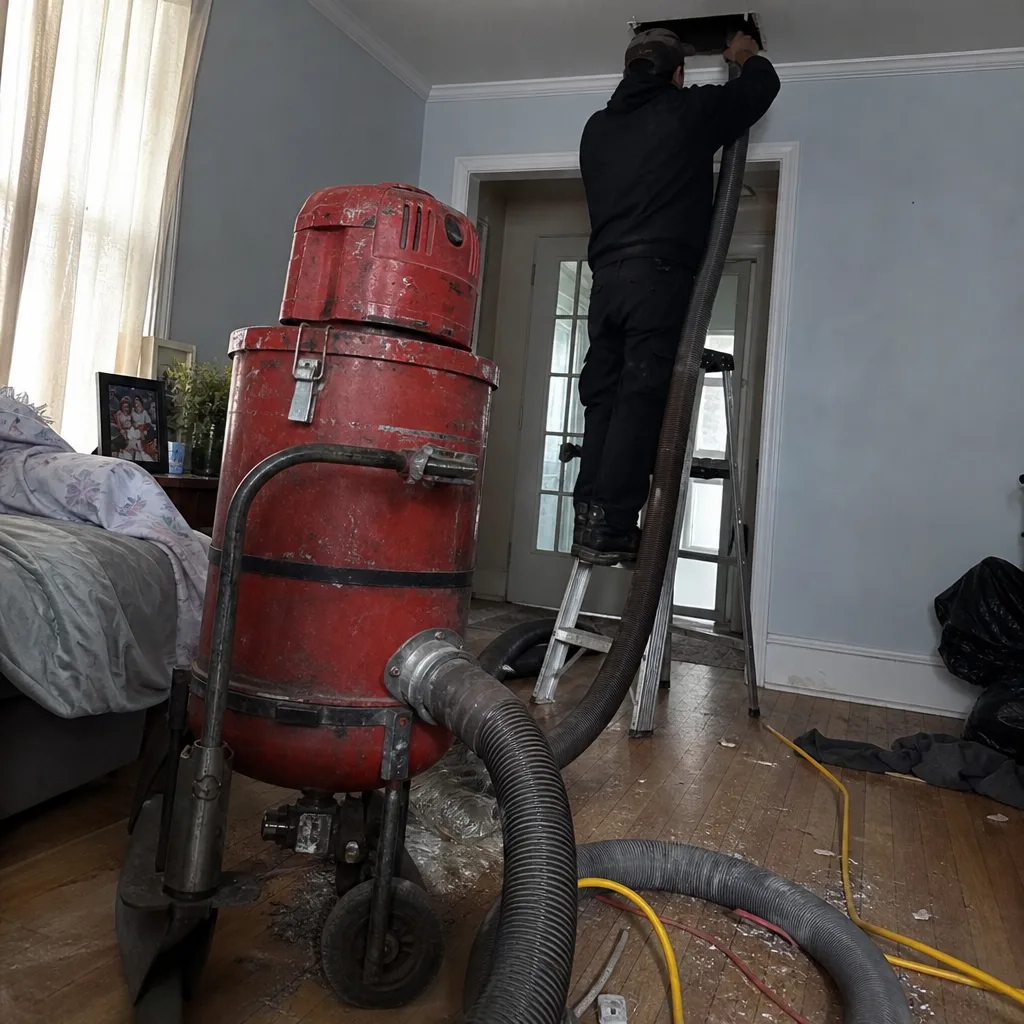
Negative pressure is the entire premise of source-removal duct cleaning. The vacuum pulls air and dislodged debris toward the collection unit so the debris exits the system rather than settling back in the room. A HEPA-rated, high-volume vacuum can hold meaningful negative pressure through a whole duct network. A shop vac can’t. Ask for the CFM number and the filter rating. If the answer is “it’s a big one” with no number, that’s not an answer.
2. Is the filtration HEPA-rated, and is the vacuum vented outside or through a HEPA filter?
HEPA filtration (High-Efficiency Particulate Air) captures the fine particulate that matters – the particles small enough to stay airborne and reach your lungs. A vacuum without true HEPA filtration can exhaust fine dust back into the home even while pulling debris out of the ducts. Our systems use Nikro HEPA-filtered vacuum units for exactly this reason. Ask if the exhaust is vented outdoors or filtered; either can be a valid design, but the contractor should know which configuration they run and why.
3. Do you use a camera to inspect duct interiors, and can I see the footage?
Mechanical agitation with a rotary brush (we use the Rotobrush system) does the physical cleaning, but camera inspection is how you confirm what’s actually in the ducts – and how you verify afterward that the cleaning was done. A contractor who can’t or won’t camera-inspect is asking you to take the job on faith. That’s a particularly weak position in older Port Richmond homes where duct layout is unpredictable.
4. How do you contain the work area?
Source removal involves dislodging debris, and dislodged debris has to be captured. Professional containment – the kind of negative-pressure setup used in commercial and remediation work – keeps contaminant from migrating into the rest of the house. We use Abatement Technologies containment equipment, which is built for the same purpose in remediation projects. Ask any contractor what they use for containment and whether they set up negative pressure in the work zone.
5. What’s the agitation method?
Whipping a system with compressed air alone is the classic cut-rate technique and the classic way to damage flex duct or redistribute debris. Mechanical brush agitation is the standard. Rotary brush systems designed for residential ductwork clean without chewing through the duct wall when used by a trained technician. Ask what the agitation tool is and whether it’s duct-type specific.
Write the answers down. You’ll learn more from three of these questions than from any review page.
Red Flags in a Quote
A quote is a preview of the work. These are the patterns that predict trouble, and they show up more in a competitive market like Port Richmond than people expect.
- One flat rate for every home size. A 900-square-foot apartment and a 2,400-square-foot house with two systems are not the same job. If the price doesn’t change with square footage, number of systems, or duct length, it’s a teaser – the real number gets discovered on site. We give one flat price per system, agreed before work starts, based on the actual scope.
- No pre-inspection. Booking a job without anyone looking at your system means the price and the scope are guesses. A capable contractor wants to see the system – register types, duct material, number of returns, condition – before quoting.
- Same-day availability with no site assessment. A crew that can show up within an hour without having seen your house has not planned the job. That’s not speed; that’s an inventory-driven schedule.
- No written scope. If the quote is a number in a text or a coupon on a flyer, there’s no document to hold the contractor to. Legitimate work comes with a written scope (more on that below).
- No discussion of containment or filtration. If the conversation is only about price and schedule and never about equipment, the contractor either doesn’t have real equipment or knows the customer won’t ask.
- Register-by-register pricing. Per-vent pricing invites the temptation to “find” extra vents or to rush through each one. Whole-system pricing aligns the contractor’s interest with doing the complete job.
- Pressure to add “sanitizing” as an upsell with no explanation. Sanitizing can be legitimate and useful, but it should be a defined service tier with a clear purpose (we offer it as part of a broader air quality service that includes Guardsman-line protective treatments), not a mystery add-on scrambled onto the invoice.
One of these on its own isn’t a disqualifier. Three or more, and you’re looking at a contractor whose business model is built around arriving first and quoting low.
What a Legitimate Job Scope Should Contain
Before any work begins, a good contractor puts the job in writing. The scope document is your protection and your reference point. It should contain all of the following:
- Every component to be cleaned, listed by type and location. Supply trunks, branch runs, return ducts, registers, grilles, the air handler if included, and the blower assembly if HVAC cleaning is part of the job.
- The equipment that will be used. Named systems and their capabilities – rotary brush, vacuum type and CFM, containment setup – not a generic “professional equipment” line.
- The cleaning method, stated plainly. Source removal with negative pressure, mechanical agitation, and containment. If the scope doesn’t say source removal, ask why.
- Pre-clean condition notes. Any moisture, disconnected joints, crushed flex runs, or pest evidence the inspection turned up, documented.
- The price, per system. One flat price per system, with the scope above it, so what you’re paying for is matched to what will be done. The written estimate sets the final price.
- Before-and-after photo documentation. The contractor photographs the system at each stage and shares the photos with you. This is the single best defense against a “we cleaned it” claim that hasn’t happened.
- Any repair or sealing work identified separately. If duct leaks or disconnected runs are found, they should be described and priced as a distinct line item, not absorbed into the “cleaning” price after the fact.
- What happens after the cleaning. If air quality hardware is being discussed – filtration, humidity control – that goes in the scope too, with a clear line between cleaning and upgrades.
If you can’t get a scope like this, keep looking. Port Richmond has enough capable contractors that you don’t need to gamble on one who won’t put the job on paper.
Older Port Richmond Homes and Asbestos-Wrapped Ductwork
Some of Port Richmond’s older housing stock includes wrapped or insulated ductwork from an era when wrapping materials may contain asbestos. This is not a hypothetical concern in older homes and it’s the single most important reason not to book a duct cleaner without a pre-inspection. A contractor who starts agitation on unknown old wrapping material without checking it first is taking a risk on your behalf that they haven’t told you about.
The right process looks like this:
- Pre-inspection first. Before booking, the contractor should inspect accessible duct runs and note the material and condition of any wrapping or insulation.
- Ask directly about older materials. “Is there any chance this old wrap contains asbestos?” is a fair question. If the answer is a shrug, that’s information.
- Do not disturb suspect material. If the inspection turns up material of uncertain composition, it should not be agitated, cut, or handled without proper identification. In a house with confirmed or suspected asbestos-containing wrap, the correct next step is consulting a licensed asbestos professional before any duct cleaning proceeds. That’s not a judgment about the contractor’s equipment; it’s a matter of who’s qualified to handle the material.
- Get it documented. The scope should note the condition of any wrapping and the plan to work around it, or the reason the job is on hold.
This is where credentials and equipment merge with actual judgment. We won’t start work on suspect older wrap without a professional determination – it’s the same duty of care that applies to any material whose safe handling can’t be verified on sight. For a homeowner, the takeaway is simple: ask about the wrap, ask what the inspector saw, and don’t let a cheap quote override an honest pause.
The Hiring Process, Step by Step
Here’s the sequence that produces a defensible hiring decision, in order:
- Define the problem. Note what you’re actually experiencing – dusty returns, musty smell on startup, allergy symptoms, rising energy bills, or simply the last cleaning being years ago. This sets what you’ll ask the contractor to address.
- Get three to five quotes. Look for contractors with real equipment, not the first van with a coupon. Ask each one the equipment questions from this guide.
- Insist on a pre-inspection. Every serious contractor does this before quoting. If one won’t, drop it from the list.
- Compare scopes, not prices. Line the written scopes up side by side. One price should be matched to one clearly defined scope. When you do this, a cheap quote often isn’t cheap – it’s a smaller job.
- Verify the details that matter. NADCA membership, ASCS certification for the person doing the assessment, insurance certificate, and whether the contractor does duct repair and sealing (a diagnostic step many cleaning-only companies skip entirely – see why below).
- Ask about repair and sealing capability. A duct cleaning without a leak check is half the job. Gaps and disconnected joints waste conditioned air and undercut whatever cleaning you just paid for. A contractor who can locate, repair, and test-seal leaks is doing the diagnostic work, not just the cleaning work. If you also need a broader system service, the same provider relationship covers HVAC cleaning and dryer vent cleaning, which matters if you don’t want to chase down three contractors.
- Read the scope again before signing. Confirm the components, the equipment, the containment setup, the before-and-after photo commitment, and the price. The written estimate is the final word.
- Document the after. Get the before-and-after photos, and hold on to the scope for your records. If you have indoor air quality goals beyond cleaning, ask about filtration and humidity hardware – we install and service Honeywell and Aprilaire products as a natural next step from cleaning, not as a bolt-on.
That’s the whole process. It takes a little longer than clicking a coupon, and it’s the difference between a cleaned system and a bill for disturbed dust. If you want one more layer of confidence, ask the contractor to describe a job they’ve done on a home with a similar duct layout in Port Richmond. A capable one will answer with method and equipment, not adjectives.
Common Mistakes to Avoid
- Hiring on price alone. In a market with no licensing requirement, price is the easiest lever to pull and the worst one to judge. A quote 40% below the others isn’t a discount; it’s a different, smaller job. Judge the scope and the equipment.
- Skipping the pre-inspection to save time. Booking a cleaning before anyone has seen the duct layout is how you end up with a scope that doesn’t match the house. Every Port Richmond home’s system is a little different, and the inspection is where the scope comes from.
- Not asking about containment and filtration. If the contractor can’t tell you what vacuum and filter they run and how they keep debris out of the living space, the answer is that they probably can’t. This single question filters out most of the weak end of the market.
- Accepting per-vent pricing. Per-register pricing incentivizes finding more registers and rushing each one. Ask for one flat price per system with the scope attached.
- Ignoring older wrapping material. In a house with older duct wrap, the cleaning can’t proceed until the material has been checked by a qualified professional. Skipping that step endangers your family and your contractor.
- Treating NADCA membership as a guarantee. It’s a positive signal and it’s not a final answer. The technician’s training and the contractor’s equipment still decide the outcome.
- No before-and-after photos. Without photo documentation, you have no way to confirm the work was done. A contractor who won’t document is a contractor who knows you can’t verify.
- Expecting cleaning to fix everything. Cleaning removes debris; it doesn’t fix disconnected ducts or undersized returns. Ask about repair and sealing as a separate, priced step – and if you want the complete air pathway – supply, return, and dryer exhaust – addressed under one relationship, ask for that scope explicitly.
When to Call a Professional
Sometimes the decision is already made for you. Call a professional if you’re seeing consistent dust on the return grilles shortly after cleaning them; if there’s a musty or stale smell when the system starts; if allergy or asthma symptoms track with the HVAC running; if you’ve just moved into a home and don’t know the last cleaning date; if you’ve done a renovation and drywall or construction dust went through the system; if the blower assembly or air handler is visibly soiled; or if you hear whistling at registers or see crushed flex duct, which points to leakage and sealing work beyond cleaning. One more: if a dryer vent is taking longer than it should to dry a load, that’s a separate line item worth checking. If you’re not sure which issue applies, an inspection answers it. Air Duct Cleaning Port Richmond offers free estimates in Port Richmond – call (877) 792-6601. We answer 24/7. Fast dispatch from 7am to 7pm, Sunday through Friday.
Frequently Asked Questions
A proper contractor uses a HEPA-filtered negative-pressure vacuum with real CFM capacity, a rotary brush system for mechanical agitation (we use the Rotobrush system), and containment equipment to keep dislodged debris out of the living space. Our systems include Nikro HEPA-filtered vacuum units and Abatement Technologies containment. Ask for the specific equipment and the filter rating before booking – a shop vac setup isn’t a substitute.
No. New York State doesn’t license duct cleaning as a trade, and NADCA membership is voluntary. NADCA membership signals that a company has joined the association and aligned with the ACR Standard, which is a positive sign, but it doesn’t audit workmanship or the equipment at your door. Use it as a filter, then ask the equipment and process questions. Call (877) 792-6601 for a free estimate and ask us anything you like – we’d rather answer than have you guess.
It depends on the size of the system, the number of returns, and whether repair or sealing is included. We don’t quote per-vent prices or a single flat rate across all homes, because those conceal the scope. We give one flat price per system, agreed before work starts, based on a pre-inspection and a written scope. The estimate is free and the written estimate sets the final price. Call (877) 792-6601 for an exact quote.
Before-and-after photos of your own ducts, taken by the contractor at each stage of the job, plus a written scope that names every component cleaned. Ask for both up front. A contractor who plans to skip documentation will tell you so when you ask. In our experience, the photo record is also the most useful reference if you ever sell the home or need to show scope to a property manager. Call (877) 792-6601 – we’ll walk through exactly what the photo record will contain.
Do not let anyone agitate, cut, or clean suspect wrapped ductwork before the material has been identified by a licensed asbestos professional. Some of Port Richmond’s older housing stock includes wrapped insulation from an era when asbestos was in common use. If the pre-inspection turns up material of uncertain composition, the job should pause until it’s been properly assessed. That’s a safety boundary, not a scheduling preference, and any contractor who treats it as optional isn’t one to hire.
Yes, and it’s often a better arrangement than chasing three separate companies for the supply path, the return path, and the dryer exhaust. We cover air duct cleaning as a standalone service, and we can scope the full set together – cleaning, repair and sealing, and sanitizing – under one service relationship. That’s also the moment to ask about Honeywell or Aprilaire filtration and humidity hardware if you have long-term air quality goals. Call (877) 792-6601 for a free estimate on the combined scope.
Because they’re for a smaller job – often just a shop-vac pass over a few registers with no containment and no camera inspection. A low quote isn’t a discount on the same work; it’s a different scope. Ask for the equipment list, the scope document, and the before-and-after photo commitment, and the comparison will be clear. We give one flat price per system with the scope attached. Call (877) 792-6601 for an honest quote to compare against.
The Bottom Line
Hiring a duct cleaning contractor in Port Richmond comes down to verifying capability instead of price. There’s no state licensing requirement, so the credentials that matter are NADCA membership (useful as a filter, not a guarantee), an ASCS-certified or trained inspector, and, above all, the equipment and process behind the quote. Ask about CFM capacity, HEPA filtration, camera inspection, and containment. Insist on a pre-inspection and a written scope with before-and-after photos. Treat older wrapped ductwork with the seriousness it deserves. And when a quote looks unusually low, ask what was left out. That’s the whole method – and it’s what separates a cleaned system from a disturbed one.
Our technicians have up to 14 years of experience, and we bring professional-grade equipment to every job through air duct cleaning Port Richmond. If you’d like a free estimate, call (877) 792-6601. We answer 24/7. Fast dispatch from 7am to 7pm, Sunday through Friday.
Written by the team at Air Duct Cleaning Port Richmond.
See the difference
 Before
 After
 Before
 After
 Before
 After