
Last updated November 24, 2026
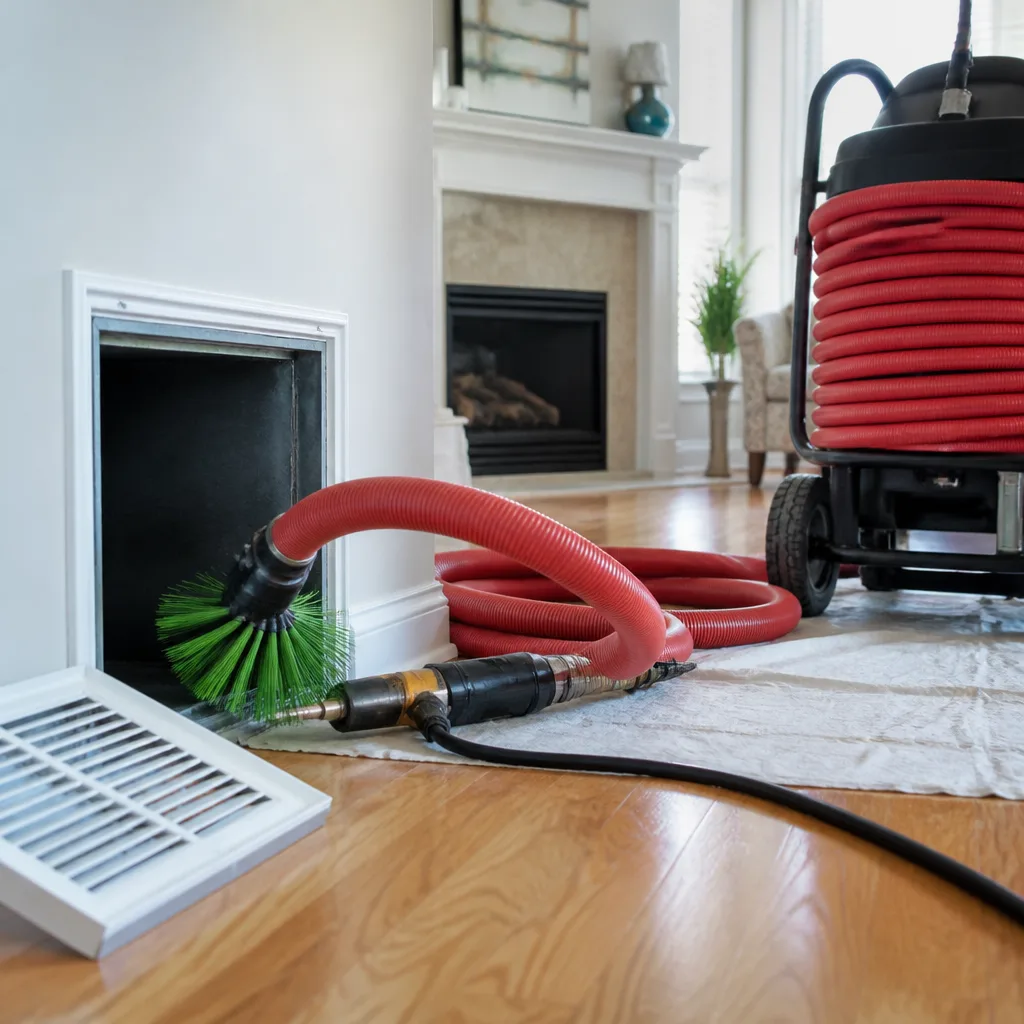 Whole-home duct cleaning
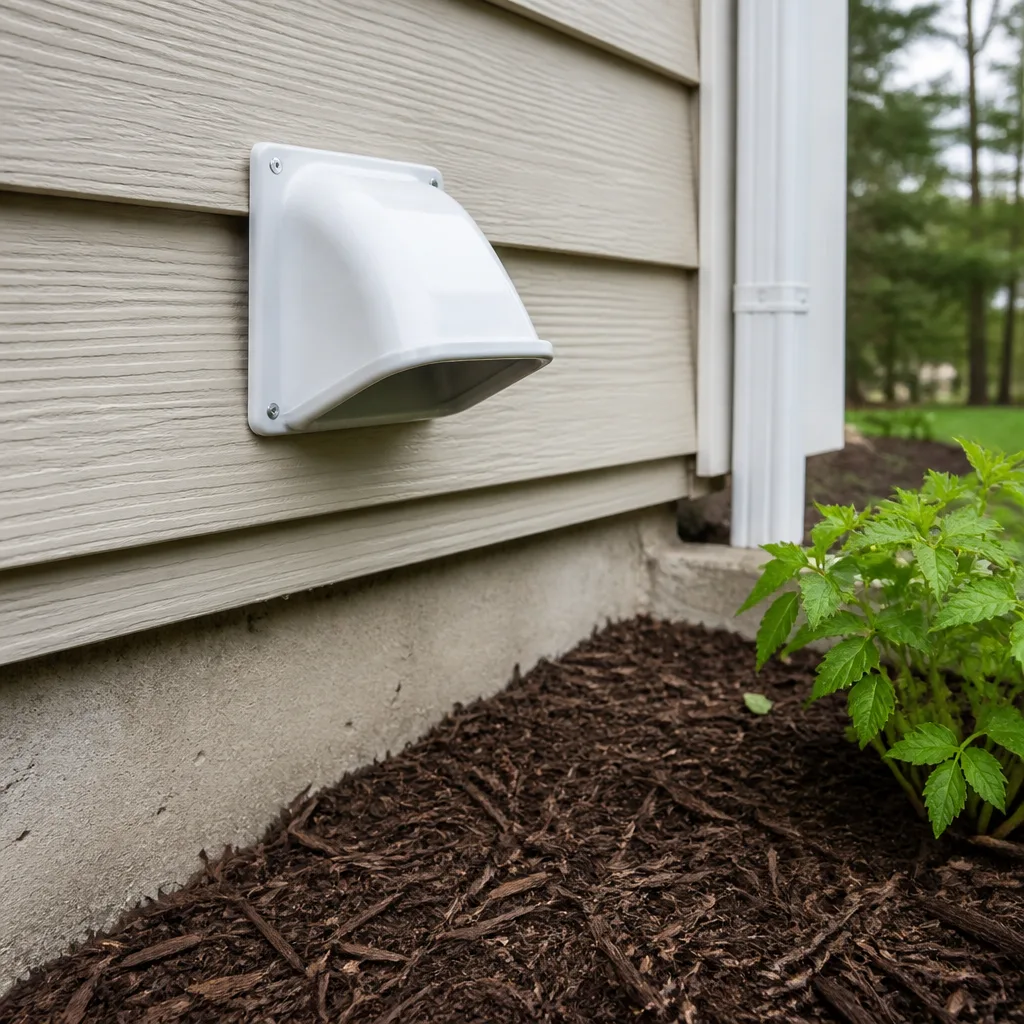 Dryer vent cleaning
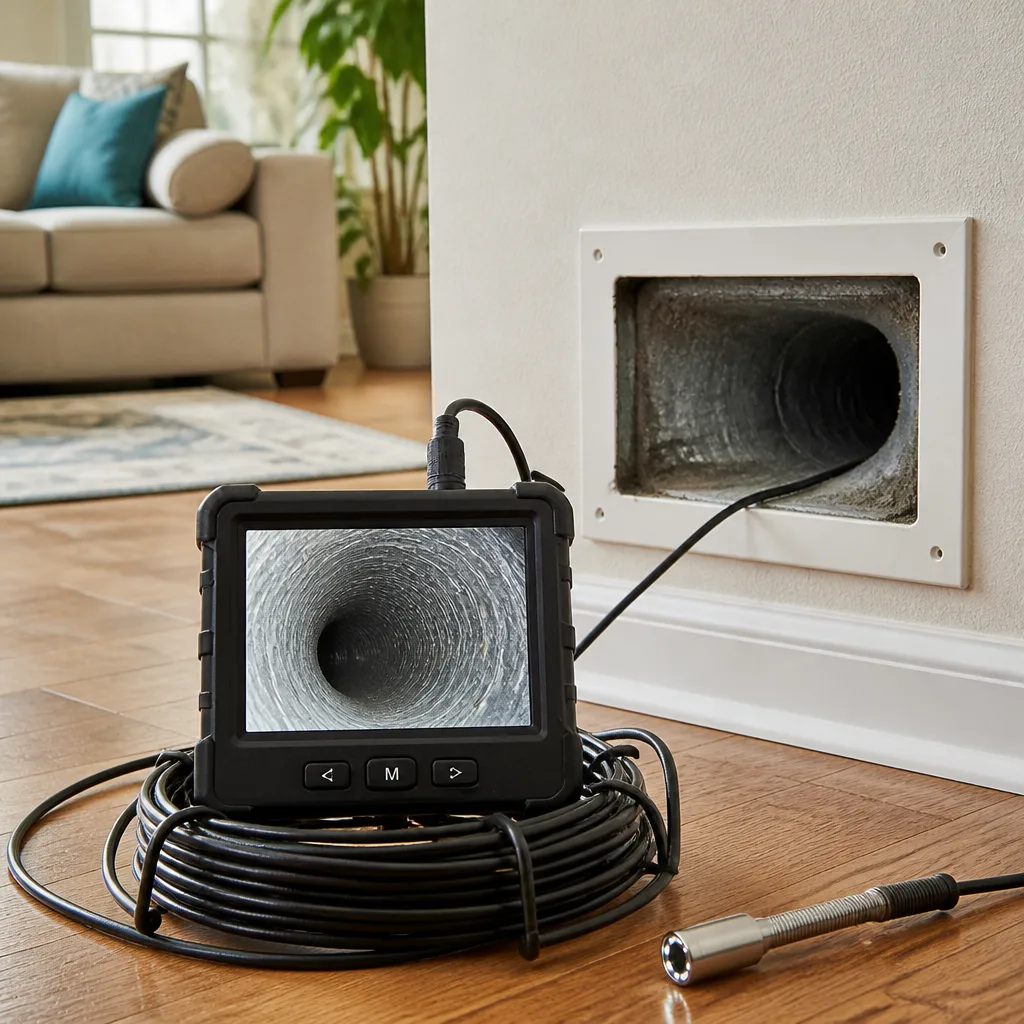 Camera inspection
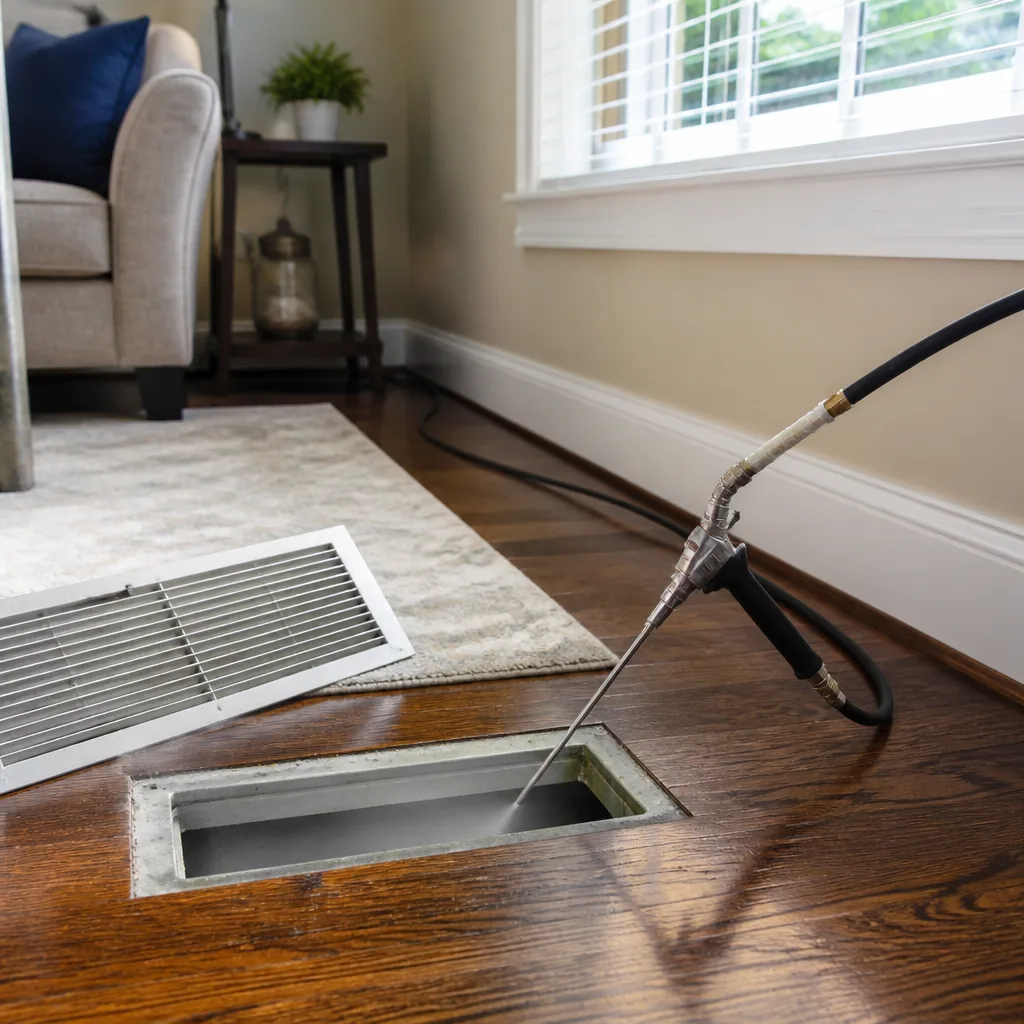 Sanitizing & deodorizing
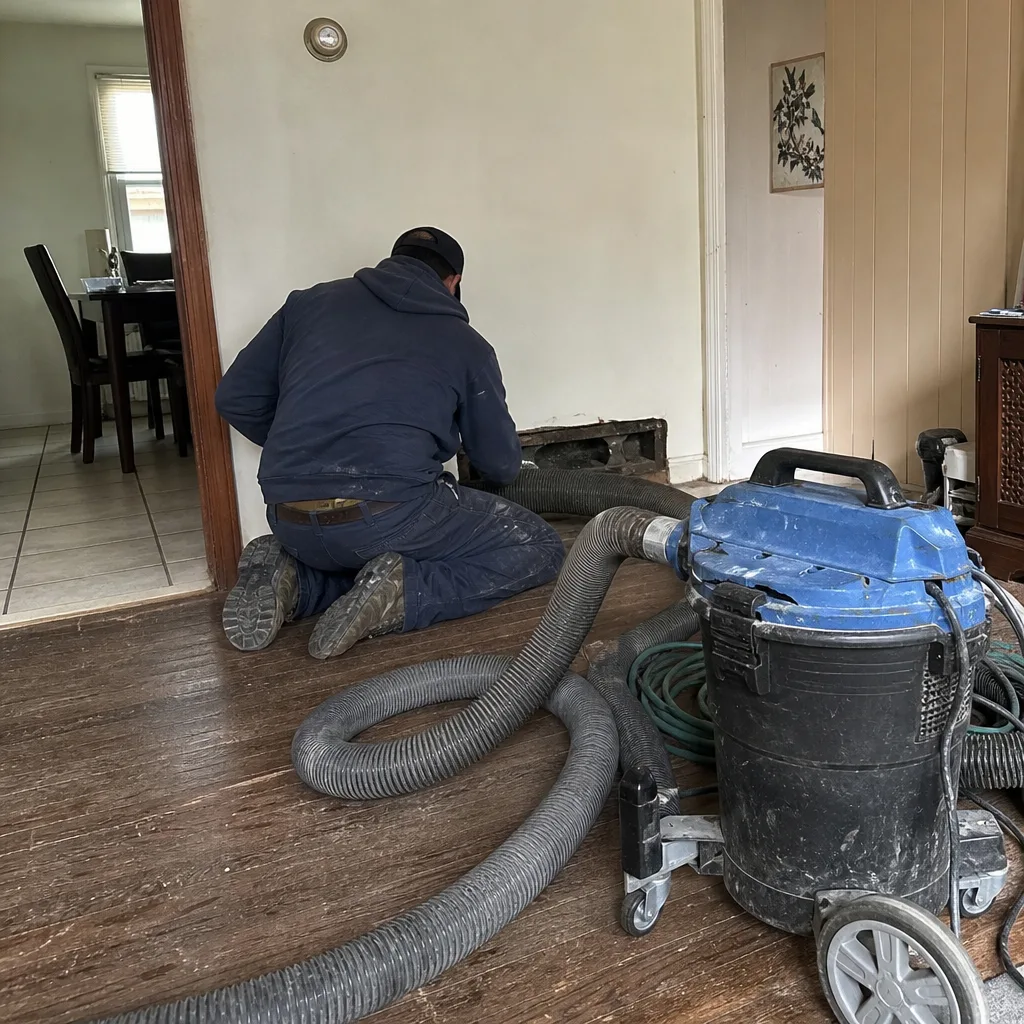
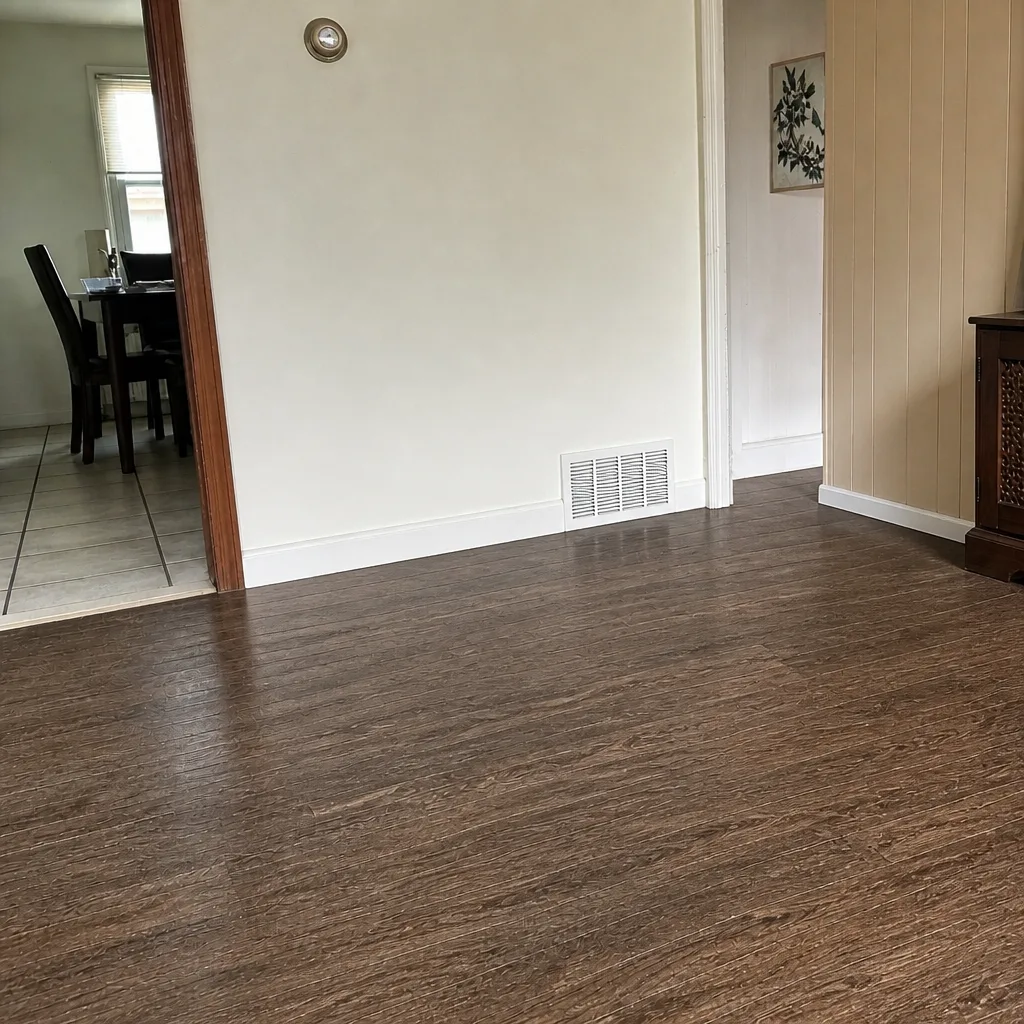
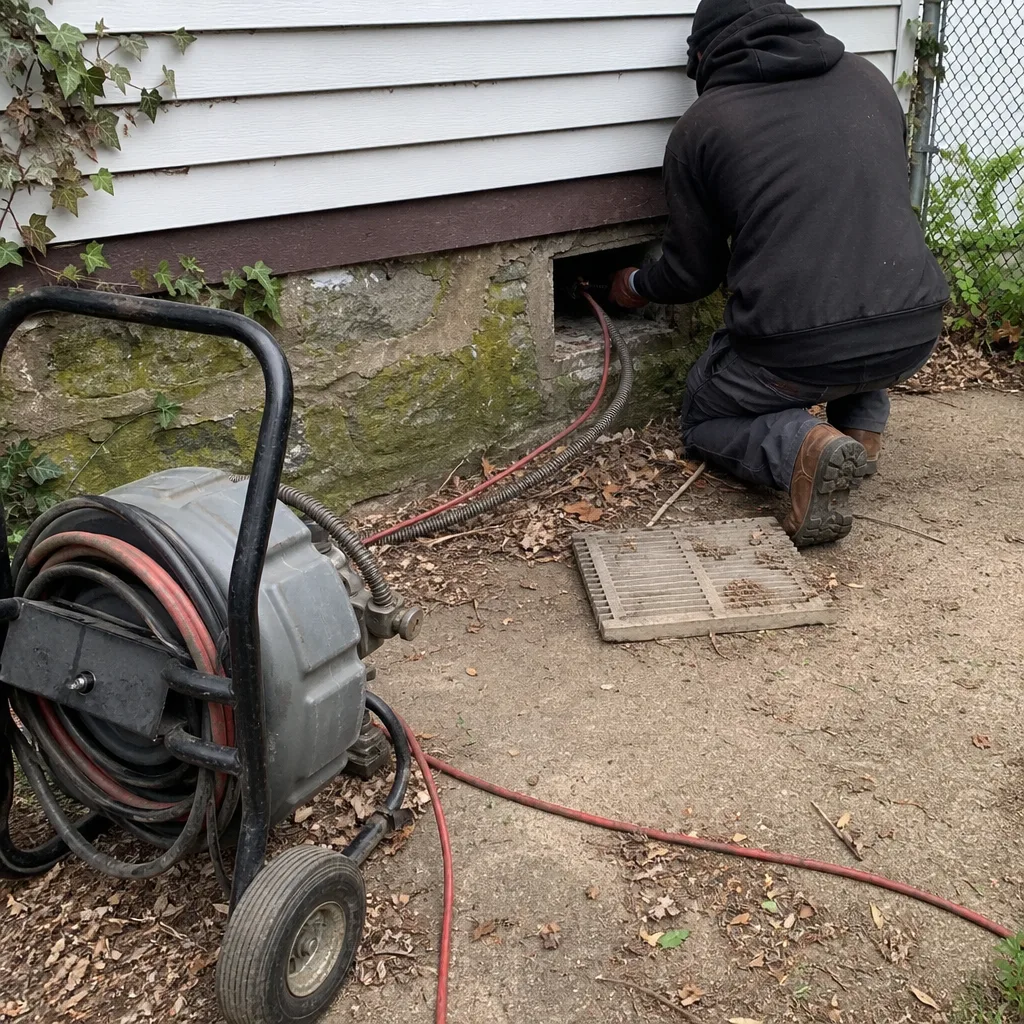
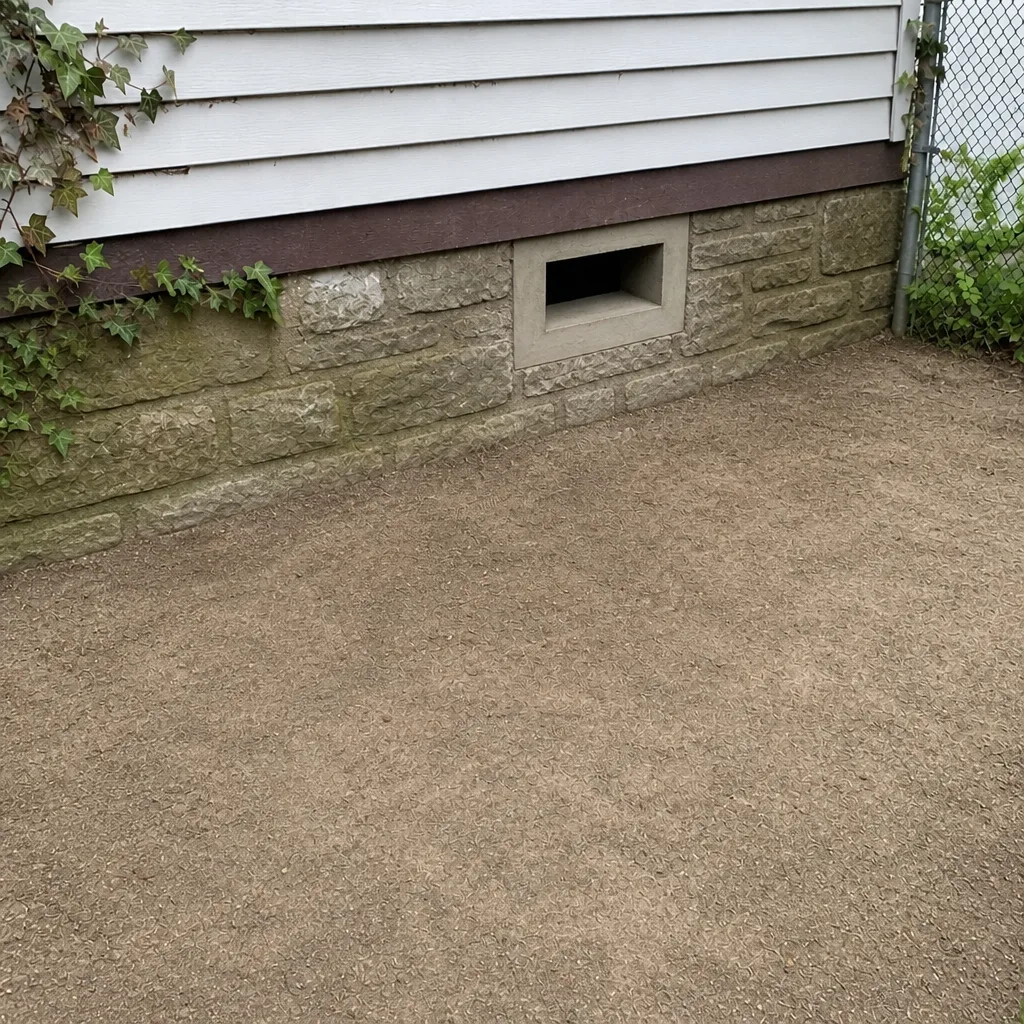
Whole-system duct and dryer vent check with before-and-after photos - you see exactly what came out of your vents
That "$99 whole-house special" is a bait ad - the real number appears once they are in your hallway, or the "clean" is a shop-vac at the register. We photograph the inside of your ducts before and after instead.
Air Duct Cleaning Cost Breakdown: The Port Richmond Homeowner’s Reference for 2026
A $199 whole-house duct cleaning quote and a $900 quote can both be fair prices, or both be rip-offs. Neither number tells you anything on its own. What matters is what sits behind it: how many linear feet of duct actually gets cleaned, whether real negative pressure is pulled on the system, what kind of filtration and containment is deployed, and whether the crew creates proper access points instead of fishing a hose through a floor register. Most homeowners compare the two numbers and pick the lower one, then can’t tell whether the job was done. This guide breaks down every cost component that drives duct cleaning pricing in Port Richmond, so you can read a quote in technical terms rather than dollar terms. Call (877) 792-6601 for a free estimate.
Quick Answer
Air duct cleaning in Port Richmond typically runs $350 to $700 for a standard single-family home, with larger or more complex systems landing between $700 and $1,200, and older homes with fiberboard duct, multiple zones, or heavy contamination pushing higher. The single biggest cost driver is not house size but system configuration and access: a small home with a trunk-and-branch layout and easy attic access can cost less than a slightly larger home with flex duct in tight chases. Dryer vent cleaning, air handler cleaning, and coil cleaning are often quoted as separate line items, and a legitimate quote should itemize all of them.
Styles & brands we work with
- Whole-home duct cleaning
- Dryer vent cleaning
- Camera inspection
- Sanitizing & deodorizing
Table of Contents
- What actually drives the price of duct cleaning?
- What are realistic 2026 duct cleaning prices in Port Richmond?
- How does Port Richmond’s housing stock affect your quote?
- Which add-ons are worth paying for, and which aren’t?
- Why are some quotes so much cheaper?
- What does it cost when a duct cleaning goes wrong?
- How do you compare two quotes fairly?
- How often does duct cleaning actually need doing?
What actually drives the price of duct cleaning?
Duct cleaning is priced the way most trades are priced: by time, equipment, and labor exposure. The difference is that most homeowners have no visibility into any of those variables before the technician arrives. Here’s what a legitimate quote is actually pricing.
- Linear footage of duct cleaned. A quote should reflect how many feet of supply and return duct exist in the system, not a flat “whole-house” rate. More footage means more agitation passes and more vacuum time.
- Access point creation. Professional cleaning requires cutting access holes at strategic points in the trunk and branch runs, then sealing them afterward. A crew that cleans through existing registers is skipping the access work and the cost of it.
- Negative pressure and containment. Real source-removal methodology pulls a HEPA-filtered vacuum on the system so dislodged debris is captured, not redistributed into living space. Abatement Technologies containment equipment exists for exactly this reason, and deploying it takes setup time.
- Rotary agitation equipment. A Rotobrush rotary brush system mechanically agitates duct walls while extracting simultaneously. Setting up and running that equipment properly across a full system is the largest labor component on most jobs.
- Camera inspection. An inspection camera lets a technician confirm what was removed and identify duct damage. This is often quoted as a separate line or bundled into the whole-system price.
- Sanitization, when applicable. Antimicrobial treatment is not always needed, but where there is biological growth, musty odor, or post-remediation cleanup, it is a real step with real product cost.
Any quote that bundles all of the above into one flat price without a walkthrough or a question about how many zones your system has is guessing. A quote built off a phone call is a placeholder, not an estimate.
What are realistic 2026 duct cleaning prices in Port Richmond?
National “average” duct cleaning prices are close to useless because they blend a studio apartment in one market with a 1920s four-bedroom in another. These are realistic 2026 ranges for Port Richmond homes, broken out by system type. The written estimate after an on-site walkthrough sets the final price.
| Home / system type | Typical estimated range |
|---|---|
| Smaller home, single zone, accessible attic or basement layout | $350 – $550 |
| Standard single-family home, two-level, single zone | $450 – $700 |
| Larger or multi-zone home, extended trunk runs | $700 – $1,200 |
| Older home with fiberboard duct or heavy contamination | $800 – $1,400 |
| Dryer vent cleaning (standalone) | $150 – $300 |
| Air handler / blower cabinet cleaning | $200 – $400 |
| Evaporator coil cleaning | $250 – $450 |
| Duct repair and sealing (per system, scope-dependent) | $400 – $1,500 |
| Sanitization treatment | $150 – $400 |
Ranges move with the details. A finished basement with flex duct tucked between ceiling joists is slower to clean than a straight run over an open garage ceiling. A homeowner who wants a documented before-and-after record with camera evidence is buying a well-executed job, not a fast one. Full-service providers in Port Richmond can quote all of these line items together so you’re comparing a single number against a single scope. If you want to understand the full scope behind these prices, see our air duct cleaning service page.
How does Port Richmond’s housing stock affect your quote?
Port Richmond has a mixed set of building types: older single-family homes, multi-family rentals, and light-commercial properties, and each one prices differently.
Duct material is the biggest variable
Galvanized sheet metal is the most straightforward to clean: rotary brushes handle interior surfaces well, and access points can be cut cleanly. Flex duct is faster to route but more fragile – aggressive rotary work can tear the inner liner, so a competent crew uses softer agitation heads and accepts that the cleaning takes more passes. Fiberboard duct, which shows up in some older Port Richmond constructions, is the toughest: deteriorated interior lining can shed, and cleaning a failing fiberboard run without damaging it requires experienced hands. Sometimes the correct answer is to repair or replace, not clean. We only recommend that when it’s actually true.
Layout and access
Homes with ductwork in a full basement or accessible attic are faster to work. Homes where the trunk runs through finished soffits, chases, or between floors add time and complexity. A quote for a horizontal ranch layout should be lower than a quote for a two-story colonial with the same square footage, because the labor is genuinely different.
System configuration
Zoned systems with multiple air handlers or complicated trunk-and-branch layouts cost more because there are more ducts to clean and more access points to create. Homes that have been remodeled or had additions tacked on often have ductwork from two different eras joined together, which takes a technician more rounds to map out and clean properly.
Contamination type
Construction debris, rodent activity, mold growth, and years of accumulated dust all pay at different rates. Heavy contamination requires more passes, more containment, and in some cases sanitization. A contractor who has done remediation work recognizes all of these patterns and quotes accordingly.
Which add-ons are worth paying for, and which aren’t?
Add-ons are where duct cleaning quotes diverge most, because they carry most of the profit. Some are legitimate services. Some are filler.
Legitimate add-ons
- Dryer vent cleaning. A separate system with a real safety function. Lint buildup is a fire hazard and also drags dryer efficiency.
- Air handler cleaning. The blower cabinet accumulates dust and debris that will blow straight back into newly cleaned ducts. Cleaning ducts without touching the air handler defeats the point.
- Evaporator coil cleaning. A dirty coil reduces cooling capacity and drives up energy use. If the coil is accessible and dirty, it needs cleaning.
- Duct repair and sealing. Leaks quietly waste a meaningful portion of every conditioned air dollar. Locating, repairing, and confirming those leaks under pressure is a real service – not a patch and a promise.
- Filtration and humidity upgrades. Honeywell and Aprilaire media filters and humidifiers outlast the thin filters most systems run and hold up better over time. Worth paying for if your system is set up for them.
Add-ons to question
- Generic “UV treatment” without discussion of your system. UV lamps have specific applications. If they can’t explain what they’re treating and why, that’s a sales line, not a service.
- Fogging treatments pitched as air purification. Proper sanitization fixes a specific problem (biological growth, odor source). If no one has inspected your ducts for that problem, a fog is guesswork.
- Chemical treatments with no post-cleaning inspection. Sanitization alongside a real cleaning makes sense. Sanitization in lieu of cleaning doesn’t.
Why are some quotes so much cheaper?
Cheap duct cleaning quotes exist because the work being priced is smaller than the work you think you’re buying. A $199 whole-house quote typically covers a hose run through registers, a shop-vac-level vacuum, and a 45-minute visit. That’s not source-removal methodology, and it isn’t remotely close to the equipment we bring out for a real job.
What gets left out of a cheap quote:
- Access point creation. A crew that cleans only through the registers can’t reach the interior walls of the trunk line. Every hidden run stays exactly as dirty as it was.
- Negative pressure containment. Without a HEPA-filtered vacuum pulling the system under negative pressure, dislodged dust recirculates straight into living space. The cleaning makes the air worse before it makes it better.
- Rotary agitation. A straight vacuum hose pulls loose dust. A Rotobrush rotary brush moves the attached dust first, then extracts it. Cutting the agitation step is the single biggest shortcut in the whole trade.
- Air handler cleaning. Cheap quotes route around the cabinet, so a freshly “cleaned” system pulls a fresh load of dust from the blower the first time it runs.
- Verification. No camera inspection means no way to confirm what was removed. All you have when the crew leaves is their word.
None of those omissions are recoverable later. You end up paying twice: once for the cheap job, once for the real one. That’s not a hypothetical – it’s how a lot of our referrals start. The right question isn’t “why is this quote cheaper?” It’s “what did this contractor leave out to get to that number?” Our full-service approach is built around the answer. If you haven’t looked at your HVAC cleaning scope in a while, that’s often the part of the system quietly doing the most harm.
What does it cost when a duct cleaning goes wrong?
The worst outcome isn’t paying for a job that wasn’t done. It’s paying for a job that damages equipment you can’t easily replace. Both happen, and the bill usually lands later, when a technician tells you what went wrong.
Duct damage from wrong equipment
Rotary brushes on flex duct with too-aggressive heads scratch, tear, or puncture the inner liner. The liner is what seals the duct and keeps air flowing on the intended path. Once it fails, the duct has to be replaced or repaired – and repairing flex duct is rarely a cheap call.
Recleaning costs
When a cheap job leaves debris in the system, the debris redistributes through the home over the next several weeks. Dust builds up faster than it did before. Homeowners tend to re-book faster, and the second job is not cheaper than the first would have been if it had been done right initially.
Downstream HVAC repair
A blower cabinet that stays dirty pulls a heavier electrical load, clogs the blower wheel, and speeds wear on the blower motor. Coils that stay dirty cause the system to work harder and freeze or short-cycle in hot weather. Those repairs are straightforward when done by a competent contractor, but they’re real costs that would have been avoided by a full-system cleaning done correctly.
Air quality problems that don’t get better
When duct cleaning is pitched as the answer to allergy symptoms and the underlying ducts are barely touched, the homeowner is left with the same symptoms, less money, and a bad read on the whole category. That’s the outcome that costs most, because it makes people stop looking for the actual cause.
How do you compare two quotes fairly?
Compare quotes by scope, not by bottom-line number. A larger quote that covers the full system and a smaller quote that covers part of it aren’t really competing on price; they’re selling you two different jobs. Here’s a step-by-step way to line them up.
- Ask how many linear feet of duct they intend to clean. If the number isn’t tied to your home’s actual layout, the quote is a placeholder.
- Ask whether access points will be created and how they’ll be sealed. “Though the registers” is the shortcut answer.
- Ask what vacuum and containment equipment will be on site. A HEPA-filtered negative-pressure setup and containment staging are what separates a professional cleaning from a hose job.
- Ask whether the air handler is included. If it’s an add-on you find out about on the day, it’s a surprise line item, not a quote.
- Ask whether camera inspection is included before and after. Before-and-after evidence is the only proof the work was done.
- Ask whether they can repair and seal duct leaks, not just clean. Leaks are often the biggest hidden problem in a system, and a cleaning-only contractor will walk right past them.
- Confirm the price is set in writing and nothing gets added without your approval. This is the real conversation. A quote that gets bigger once the crew is already in the driveway is the exact pattern to walk away from.
We work one flat price per system, agreed before work starts, with before-and-after photos of your own ducts attached to the job. If a quote you’re comparing doesn’t survive those seven questions, it isn’t cheaper – it’s smaller. You can see how this plays out on our dryer vent cleaning page too, since that work often gets bundled into duct cleaning quotes in ways that hide the real scope.
How often does duct cleaning actually need doing?
Most homes don’t need duct cleaning on a fixed schedule. Homes with pets, recent renovations, allergy sensitivity, or visible dust buildup at registers benefit sooner; a home with a clean system and a good filter in a low-dust environment can go much longer. The honest answer is that “how often” depends on what’s actually happening in your ducts, which no one can know without looking.
What we can say is that certain conditions reliably signal it’s time:
- Visible dust puffing out of registers when the system turns on
- Musty odor or a smell that shows up only when the HVAC runs
- Persistent allergy-type symptoms that don’t explain themselves
- Recent renovation, drywall work, or a move into a home with unknown service history
- An HVAC system that has been running with a dirty filter for long stretches
- Register covers that need dusting repeatedly within a week
When you do have it cleaned, use the opportunity to have the dryer vent, coils, and air handler looked at in the same visit. Every segment of the air pathway pays attention simultaneously or not at all. And if you want a clean baseline, ask the crew to show you what came out and confirm the system is sealed and tested before they leave.
Common Mistakes to Avoid
- Booking off a coupon without understanding the scope. A coupon usually prices the smallest possible job, then adds line items on site. Get a written scope that matches the coupon price before you commit.
- Skipping the air handler because it “wasn’t in the quote.” Cleaning ducts and leaving the blower cabinet dirty is a half-job. The system pulls fresh load from the cabinet the moment it runs.
- Not asking for camera documentation. Before-and-after footage is the only reliable way to confirm the work happened. Photos of your own ducts, not stock images.
- Letting a technician clean flex duct with aggressive rotary equipment. Flex liner is easy to tear, and the duct is not easy to replace. Ask what agitation tool is being used on flex runs.
- Assuming filter replacement is a substitute for real cleaning. A new filter catches what passes through the return, but doesn’t clean the ductwork that has already accumulated debris.
- Calling in May for a June job in Port Richmond when every contractor is booked. Spring and early summer fill up with air quality bookings. If you want a specific week, book further ahead.
- Treating duct repair as an optional extra. Leaks quietly waste conditioned air and undermine everything you paid to clean. Locating and sealing them is part of keeping the system efficient, not a separate luxury.
See the difference
 Before
 After
 Before
 After
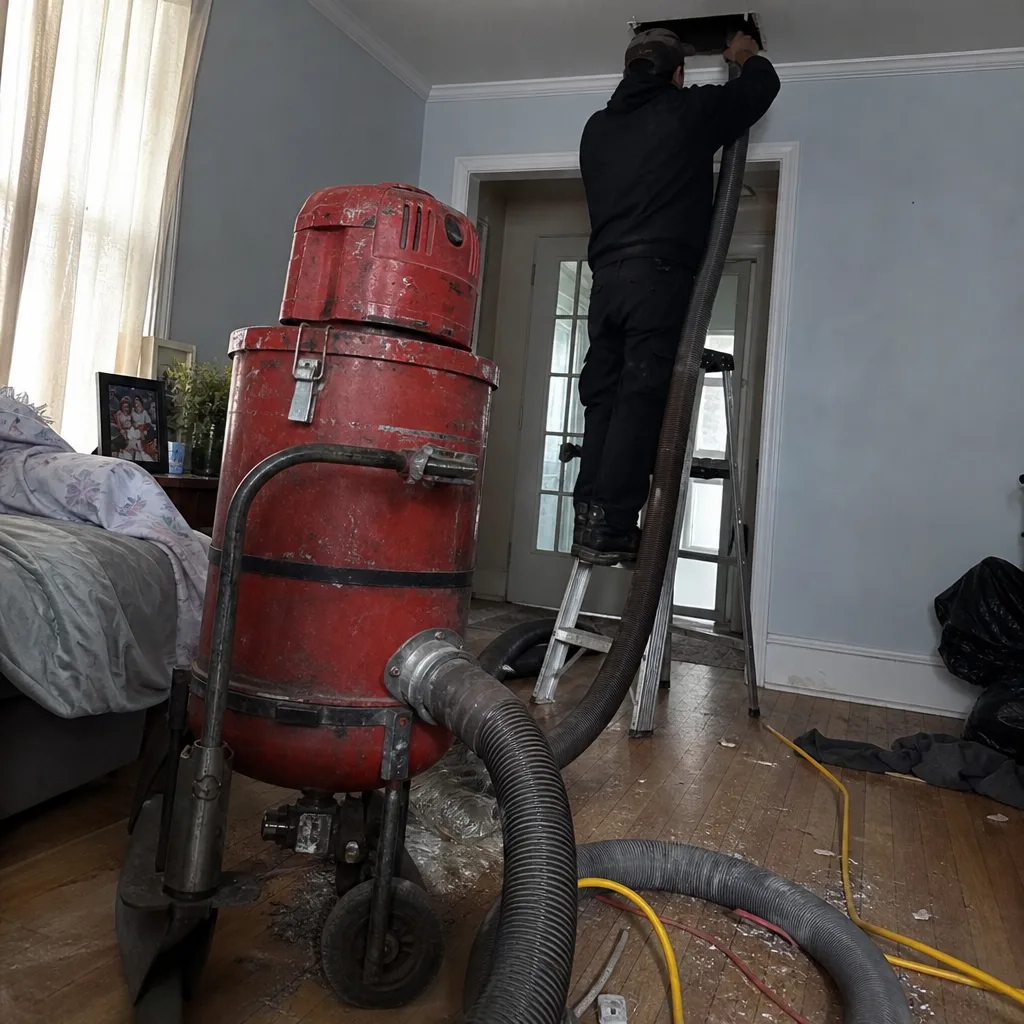 Before
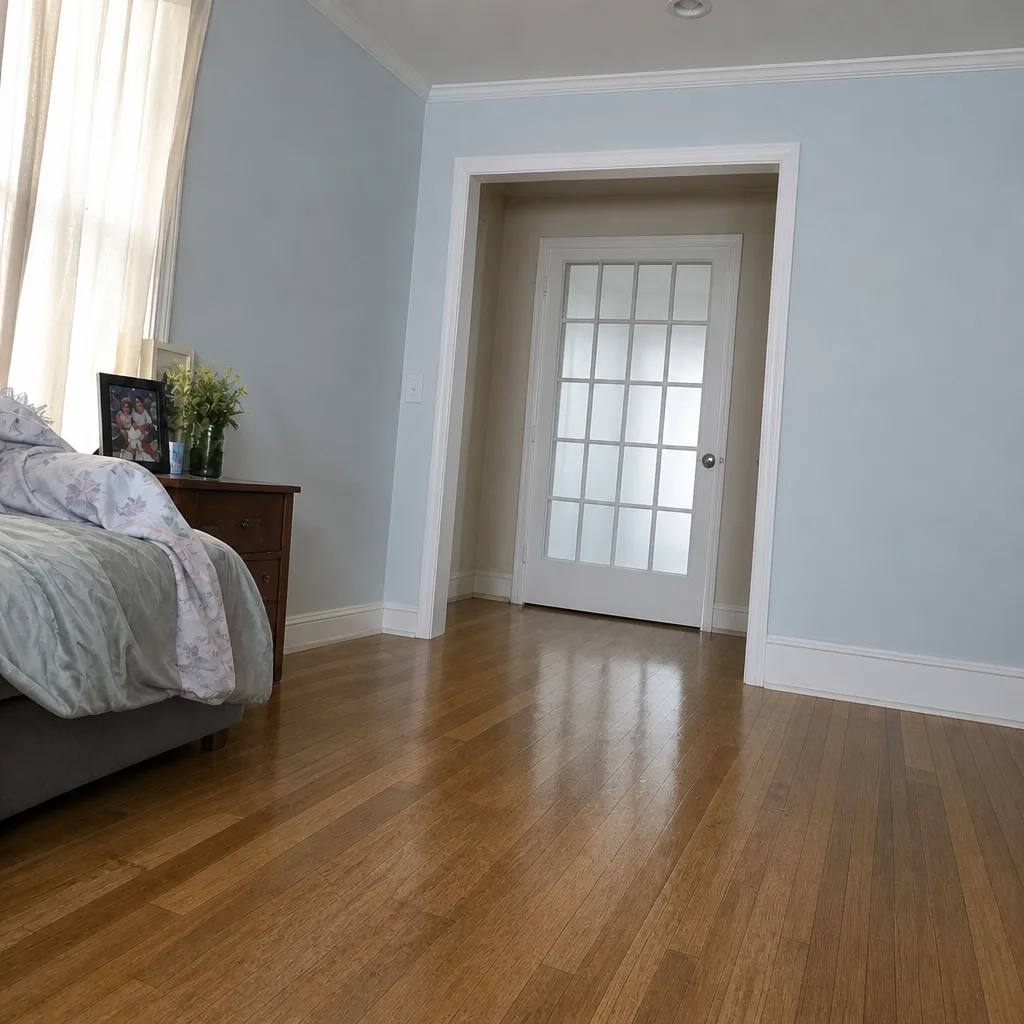 After
When to Call a Professional
Call a professional when you’ve got visible dust, musty odor, allergy symptoms you can’t trace, or a recent renovation that may have left debris in the system. Call when the HVAC is working harder than it used to, when the energy bill has crept up without an obvious cause, or when you’ve never had the system inspected and you don’t know what’s in it. Call when a previous “cleaning” left you unconvinced it was done. Air Duct Cleaning Port Richmond offers free estimates in Port Richmond. Call (877) 792-6601. We answer 24/7. Fast dispatch from 7am to 7pm, Sunday through Friday. Our technicians have up to 14 years of experience with professional-grade equipment, and we work one flat price per system, agreed before work starts.
Frequently Asked Questions
Most Port Richmond homes land between $350 and $700 for a standard single-family system, with larger, multi-zone, or older-home systems running $700 to $1,200 or more. Add-ons like dryer vent cleaning, coil cleaning, and air handler cleaning are priced separately. The written estimate after a walkthrough sets the final price. Call (877) 792-6601 for an exact quote on your system – estimates are free.
Cheap quotes leave out the expensive parts of the work: access point creation, HEPA-filtered negative pressure, rotary agitation, air handler cleaning, and camera verification. What you get is a hose run through registers rather than a full source-removal cleaning. Call (877) 792-6601 to talk through what a full-system scope actually includes for your home.
The right proof is camera documentation of your own ducts before and after the work, plus confirmation that access points were sealed and the system was tested. Photos of your ducts, not stock images. Call (877) 792-6601 to schedule an estimate and see how we document the work.
Not in the way most homeowners expect. The bigger variables here are the age and construction of the home, how much time the system runs during heating and cooling season, and how well filtration is set up. A tight home with a good filter in a well-sealed system stays cleaner longer than an older home with duct leaks and a low-MERV filter. Call (877) 792-6601 if you’re unsure which category your home falls into.
Yes. Commercial systems generally involve larger duct volumes, more complex routing, and sometimes higher contamination loads. The same professional-grade equipment applies – Rotobrush for rotary agitation, Nikro HEPA vacuum for source removal, Abatement Technologies for containment staging – but the labor to clean a commercial system is priced on the actual configuration. Call (877) 792-6601 for a scoped estimate on a commercial or mixed-use building.
Not on a fixed calendar. Homes with pets, allergies, recent renovation, or visible dust buildup benefit from cleaning sooner; clean, well-filtered homes can go much longer. The right interval depends on what’s happening inside the ducts, which needs an inspection to determine. Call (877) 792-6601 to book a free estimate and get an honest read on your system.
The Bottom Line
Duct cleaning prices in Port Richmond vary widely because the work varies widely, and the number on a quote only tells you one part of the story. What matters is the scope: access points created, negative pressure applied, filtration quality, air handler included, camera verification attached, and duct repair and sealing treated as part of the job. A $199 quote is not cheaper than an $800 quote if it leaves out the work that keeps dust in the duct. Use the seven-question comparison above before you commit to any quote, and treat the written estimate as the binding scope. If you’d rather we did that work with you, call (877) 792-6601 for a free estimate on your home or light-commercial property. For a full picture of the service scope behind these prices, start with Air Duct Cleaning Port Richmond.
Written by the team at Air Duct Cleaning Port Richmond.