
Last updated November 24, 2026
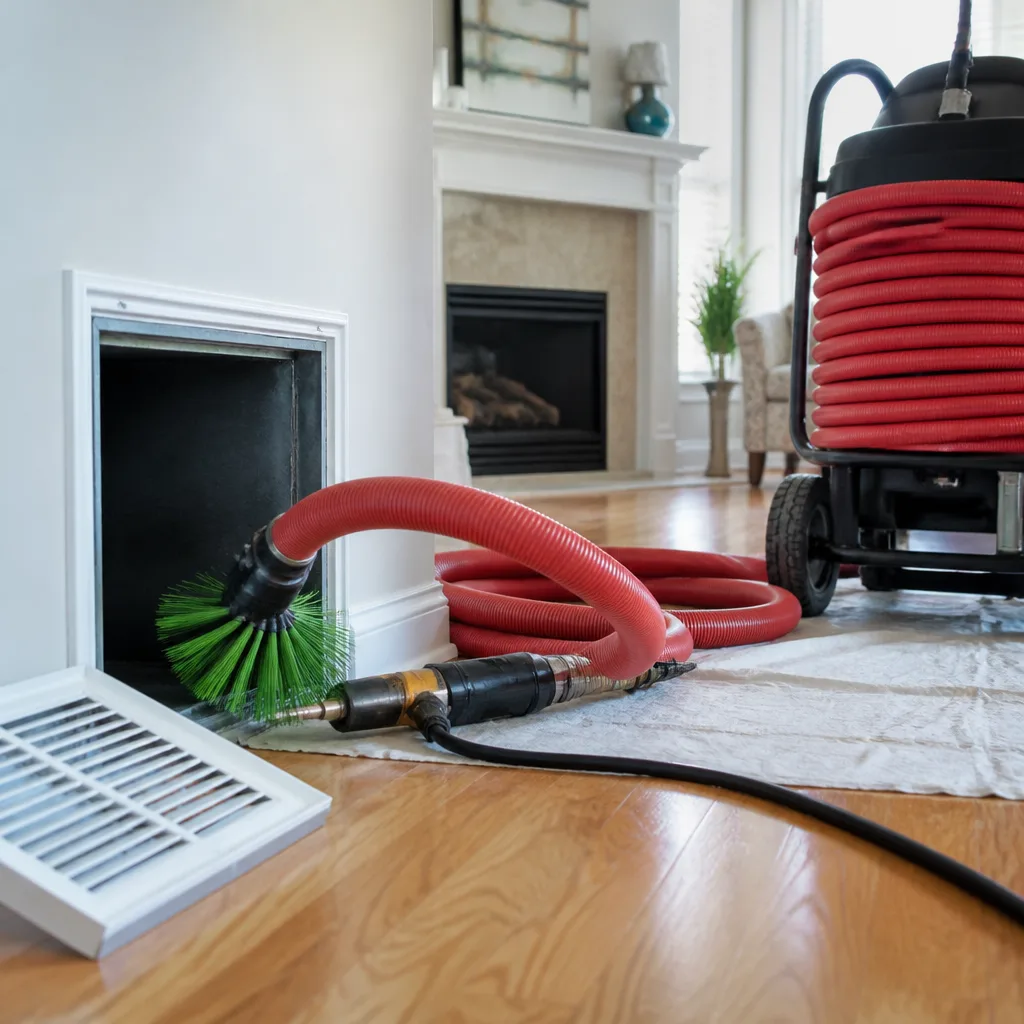 Whole-home duct cleaning
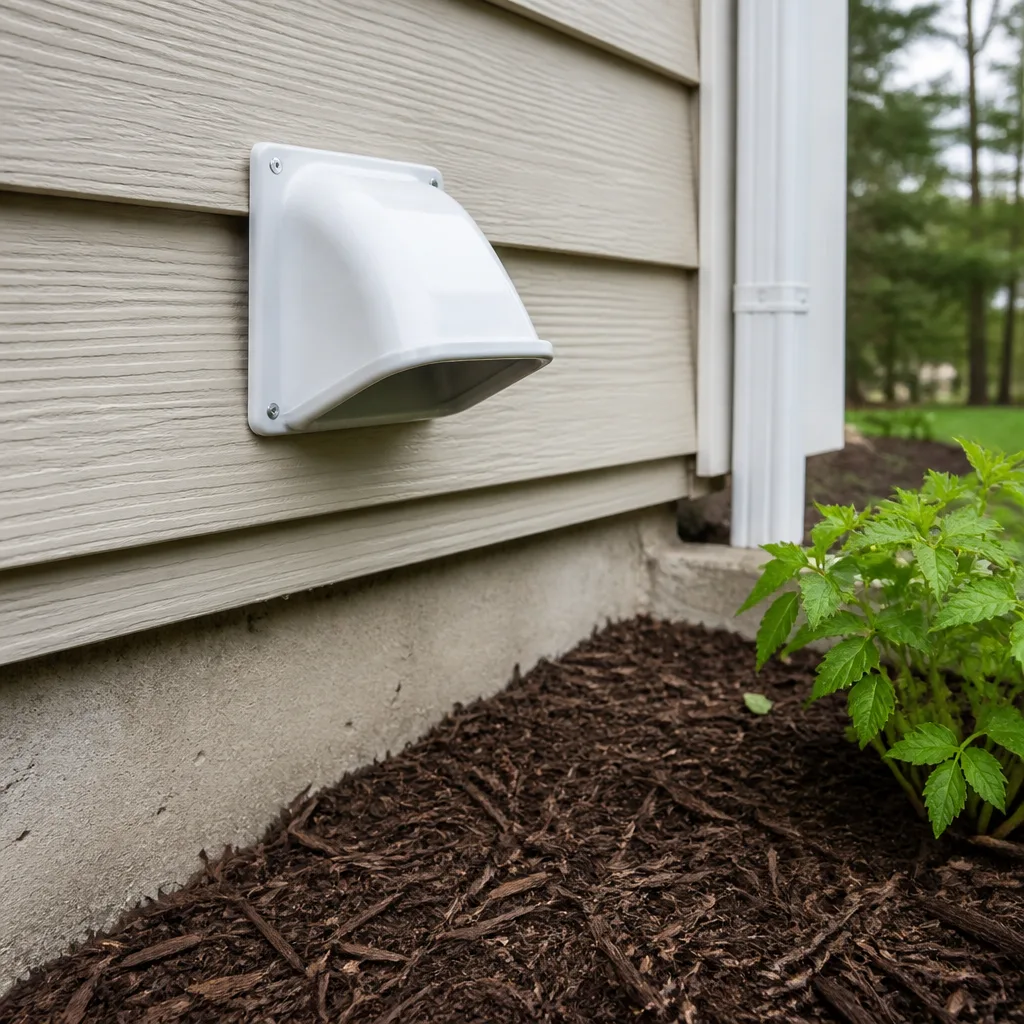 Dryer vent cleaning
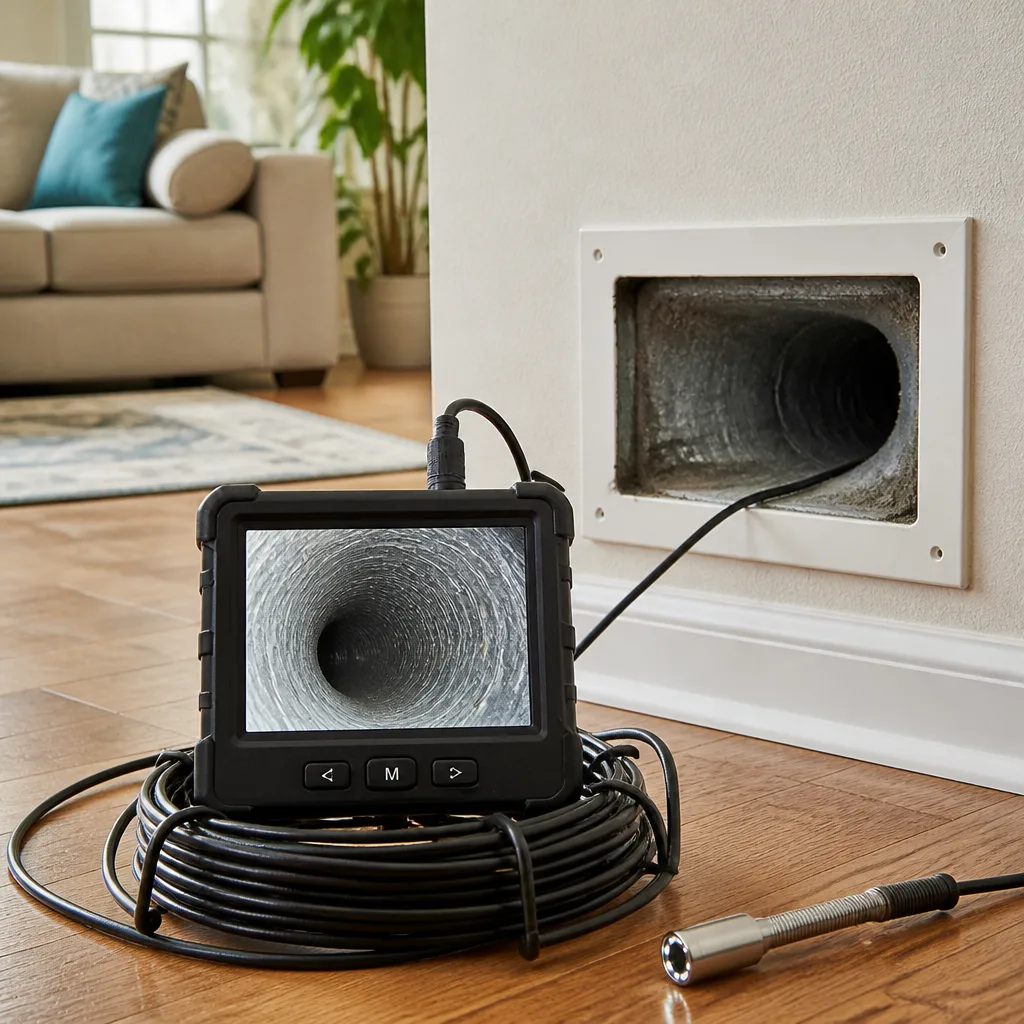 Camera inspection
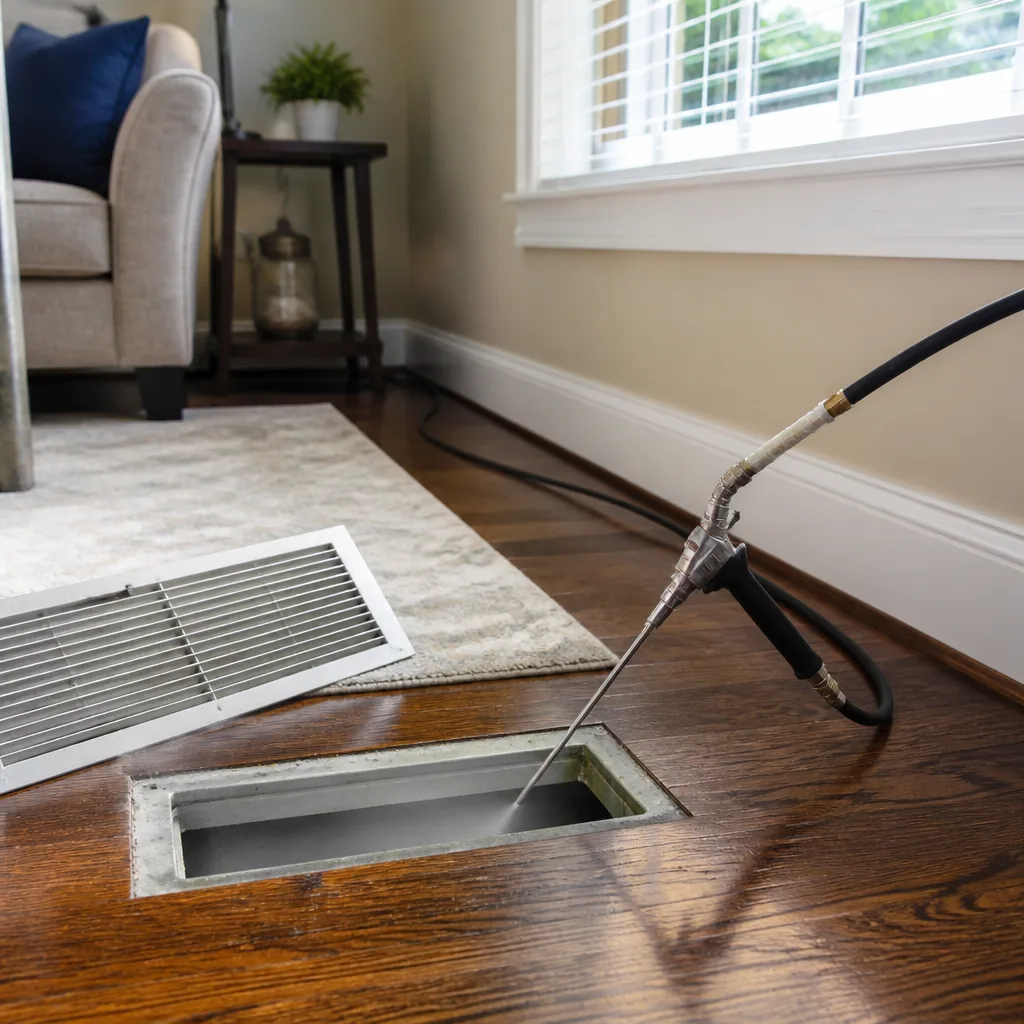 Sanitizing & deodorizing
Whole-system duct and dryer vent check with before-and-after photos - you see exactly what came out of your vents
That "$99 whole-house special" is a bait ad - the real number appears once they are in your hallway, or the "clean" is a shop-vac at the register. We photograph the inside of your ducts before and after instead.
Air Duct Cleaning Permits, Codes & Inspections in Port Richmond, NY: What You Need to Know
Most people assume the hard part of duct work is the cleaning itself. In practice, the hard part is knowing when a job stops being routine maintenance and starts crossing into regulated construction, remediation, or asbestos handling. Here’s the counterintuitive part: the act of cleaning your ducts usually needs no permit at all. But the repairs that cleaning often uncovers – a crushed flex run, a torn trunk connection, a patch of crumbling insulation – can fall under rules most homeowners never hear about until a contractor asks for paperwork. This guide walks through where those lines sit in New York State and New York City, what it means for Port Richmond homes and rentals, and what documentation to keep afterward.
Quick Answer
Air duct cleaning itself does not require a permit in Port Richmond or anywhere in New York City. However, duct modification or replacement, mold remediation above minor surface levels, and any disturbance of pre-1980 duct insulation that may contain asbestos do trigger NYC Department of Buildings, Department of Health, or Department of Environmental Protection requirements depending on scope. When in doubt, ask your contractor which regulated category the work falls into before it begins.
Styles & brands we work with
- Whole-home duct cleaning
- Dryer vent cleaning
- Camera inspection
- Sanitizing & deodorizing
Table of Contents
- Does air duct cleaning require a permit in New York?
- When NYC DOB permits apply to duct work
- Local Law 55 and Port Richmond rental housing
- Where cleaning ends and mold remediation begins
- Asbestos rules for pre-1980 duct insulation
- What documentation to keep after duct work
- What an inspection actually covers
- Common mistakes to avoid
- When to call a professional
Does air duct cleaning require a permit in New York?
No. Routine air duct cleaning does not require a permit in New York City or in Port Richmond specifically. Cleaning is maintenance: it removes accumulated dust, debris, and biological growth from a system that already exists in its permitted configuration. No walls open, no structural changes are made, and the system’s layout stays the same. If your technician is only agitating and extracting debris, there’s no permit to pull.
That changes the moment the scope shifts. The line between “maintenance” and “construction” is what really matters, and it comes down to whether the system’s physical layout, capacity, or components are altered.
- Cleaning only: no permit. Debris removal from existing ducts, registers, and the air handler.
- Sealing leaks: usually no permit if it’s mastic or tape on existing joints. A full duct system replacement under a new layout may require one.
- Replacing a section of duct with different routing: likely permits as alteration work.
- Adding a new supply or return branch: permit territory – it’s new construction on the mechanical system.
- Removing an existing duct run entirely: treated as an alteration and typically documented.
Port Richmond sits in Staten Island, and its housing stock leans toward older detached and semi-detached homes with basement mechanical systems – the kind of setup where a technician can literally see a collapsed run and be tempted to cut and patch it on the spot. That quick patch is where the trouble starts. An undocumented change to a mechanical system matters when you sell the house, file an insurance claim, or get a home inspection, because there’s nothing on paper proving the work was done properly.
Why the distinction matters
The reason this isn’t academic is liability. Homeowner’s insurance carriers increasingly ask for records of mechanical work when a claim involves air quality, water intrusion through HVAC, or fire spread attributable to a compromised duct. If a repair was made with no documentation, the insurer can treat the claim as unverified. That’s the real risk: not the permit itself, but the lack of a paper trail that a permit and inspection record provides.
When NYC DOB permits apply to duct work
Under New York City construction codes, work that alters a mechanical system’s design or replaces it in kind generally requires a work permit from the Department of Buildings, unless the work qualifies as ordinary repair. Cleaning doesn’t meet the definition of alteration. Full replacement of the trunk line or a reconfiguration of branch ducts does.
For practical purposes, in Port Richmond homes, the following usually fall into “have a conversation about permits before work begins”:
- Replace the entire trunk-and-branch system. Alteration work; permits and inspection typically apply.
- Change duct sizes or routing significantly. Alteration, especially when supply capacity changes.
- Add or remove an HVAC zone. Treated as mechanical alteration.
- Relocate the air handler. Mechanical and often electrical permits apply.
- Rehab work within a larger renovation. Duct changes are folded into the project’s filings.
Our role when we’re on a Port Richmond job isn’t to file permits on your behalf. It’s to tell you clearly when the scope crosses into permit territory so you can line up a licensed mechanical contractor. That honesty is part of why we keep cleaning and construction scopes strictly separate.
A note on your contractor’s licensing
Duct cleaning is not a licensed trade in New York State, so a company doesn’t need a specific duct-cleaning license to agitate and vacuum. But duct modification and installation fall under licensed mechanical work. When a job requires it, the local professional doing it is licensed and insured as their state requires – that’s who should be pulling the permit. For air duct cleaning alone, no one needs to pull anything.
Local Law 55 and Port Richmond rental housing
Local Law 55 of 2018 addresses indoor allergen hazards in New York City residential buildings. It requires building owners to investigate and remediate indoor allergen hazards – including mold and pest-related contaminants – when a tenant reports them or when the owner knows about them. It applies to buildings with three or more units in most cases, and to smaller buildings when certain conditions are met.
The connection to ducts is indirect but real. Mold that grows on a duct’s interior surface, or on the insulation around it, falls within the allergen hazard framework if it’s producing visible growth or musty odors people are breathing. A landlord who ignores a tenant complaint about visible mold at a supply register after having the system cleaned is not in a strong position if the complaint escalates.
Port Richmond has a meaningful rental segment, particularly in the older two- and three-family housing along and near the main commercial corridors. For property managers, that means documentation is not optional. It makes sense to:
- Keep a written record of every cleaning, including date and system condition.
- Have the technician note mold findings in writing, even at minor levels.
- Preserve before-and-after photographic evidence of the ducts being cleaned.
- Retain mold remediation records separately if remediation had to be performed.
- Note any tenant-requested inspections and the response.
Local Law 55 doesn’t force a landlord to clean ducts on a schedule. It does mean a documented response to an actual reported hazard matters. If the cleaning step reveals a bigger issue, the paper trail is what protects both sides.
What property managers ask us most
The question that comes up most in Port Richmond rental conversations is whether cleaning alone satisfies an allergen complaint. It doesn’t, if contamination crosses into remediation territory. Cleaning reduces the debris load; remediation removes the source growth and the material it grew on. Under Local Law 55 language, the obligation runs to remediation of the hazard, not just tidy surfaces.
Where cleaning ends and mold remediation begins
This is the regulatory line that catches people off guard. New York City Health Department guidance distinguishes between routine cleaning and remediation of mold, and the dividing line usually comes down to two factors: the extent of visible growth and the nature of the surface.
A general rule of thumb used across the trade:
- Small, isolated surface mold on accessible duct surfaces: often addressed as part of routine cleaning.
- Mold growth on porous duct materials – flex duct, fiberglass duct board, insulation liner: cannot be cleaned out of the material and usually requires removal and replacement of that segment.
- Larger contaminated areas or growth within the air handler: remediation scope, with containment and specific protocols.
- Mold aggravated by an underlying moisture source (leaking coil, condensate overflow, roof leak): the moisture must be fixed, or remediation will fail and the mold will regrow.
That third category is where containment equipment matters. When we run remediation-scope work in a Port Richmond home, we use HVAC cleaning underneath Abatement Technologies containment so dislodged material is captured, not redistributed into living space. A shop-vac setup can’t do that, and neither can a service that rushes the work.
The moisture source problem
Here’s what most duct-cleaning-only companies skip: unless the underlying moisture is addressed, mold comes back. That’s often a leaking evaporator coil, backed-up condensate line, or an unsealed duct pulling humid air from a crawlspace. In Port Richmond homes with basement air handlers, condensation on cold duct surfaces during humid summer stretches is a common trigger. Repairing the moisture source is part of the remediation, not an upsell.
Asbestos rules for pre-1980 duct insulation
This is the part that matters most for Port Richmond’s older houses. Any home built before 1980 with original duct insulation, especially the foil-faced or paper-backed wrap and certain duct sealants, may have asbestos-containing material. Under NYC Department of Environmental Protection rules and federal EPA asbestos regulations, disturbance of asbestos-containing material above small thresholds is regulated work that requires certified abatement professionals, not a cleaning technician.
That means before anyone cuts into, tears out, or aggressively scrubs pre-1980 duct insulation, the material needs to be tested. It’s not the kind of thing to guess at by look and age.
- Identify the age and material. If the house predates 1980 and ducts have original insulation wrap or duct tape on joints, presume possible asbestos.
- Test before disturbance. A licensed asbestos inspector takes samples of suspect material and submits them for lab analysis.
- Handle based on results. If asbestos is present, cleaning that involves disturbing the material is deferred until abatement resolves it. If it isn’t, work proceeds with a written clearance.
- Document everything. Testing reports and abatement clearances should be retained with the property records.
This affects Port Richmond specifically because so much of its housing was built in the 1910s through the 1960s. Original insulation in those homes is often exactly what we find when we open a register and see the foil wrap or paper-backed material from decades ago. We don’t guess on this and we don’t disturb material we can’t identify.
Why a cleaning company stops the job
If we’re mid-cleaning and come across suspect material, the correct move is to pause and flag it. That’s not a delay tactic; it’s the law. The same professional-grade dryer vent cleaning methodology we apply to vents – isolating and capturing at the agitation point – depends on knowing what material we’re working with first.
What documentation to keep after duct work
After any duct work, whether cleaning alone or a repair, your records protect you at resale, on insurance claims, and during future disputes. The paperwork is not elaborate, but it needs to be specific.
- Written estimate and invoice with scope of work described line by line.
- Before-and-after photographs of the ducts inside and out, with registers shown.
- Any permit number and inspection record if the work was alteration-level.
- Mold remediation records – clearance documentation if remediation was done.
- Asbestos testing or abatement records if pre-1980 material was involved.
- Warranty or workmanship guarantee language describing exactly what is covered and for how long.
- Moisture source repairs – separate invoices for any coil, condensate, or leak work.
For resale, New York’s Property Condition Disclosure form asks about material defects in the mechanical systems and about environmental hazards. A duct system with documented cleaning history is a straightforward answer. A duct system with a patched collapsed run and no records is a question mark. If a buyer’s inspector later finds the patch, “I had it done but I don’t have paperwork” is not a comfortable position.
How we document a job
Every cleaning we perform produces before-and-after photographs of the customer’s own ducts. Those matter for records, and they matter for proving the work was actually done – a common consumer worry given the industry’s reputation for charging for cleaning that never happened. A flat price per system, agreed in writing before work starts, plus photos of your own system, is what closes that gap.
What an inspection actually covers
A proper duct inspection is a walkthrough of the whole air pathway, not just the visible registers. When we’re called to look at a system in Port Richmond, here’s the sequence.
- Register and return inspection. Look at each supply and return for debris, moisture staining, or visible mold at the boots.
- Air handler and plenum. Open the access panel and inspect the blower, coil, and interior plenum for accumulation and moisture.
- Accessible trunk and branch ducts. Use camera inspection where runs are concealed; check joints for leaks, separation, or crushed flex runs.
- Insulation condition. Note the material, age, and condition of duct insulation; flag suspect material if the home predates 1980.
- Containment and extraction planning. Determine how negative pressure and containment will be set up for the actual cleaning.
- Documentation. Photograph findings, write up the scope, price the job, and identify any items that require permits, testing, or remediation.
We use Rotobrush rotary brush agitation with simultaneous HEPA extraction and Nikro HEPA-filtered vacuums for source removal at the point of agitation. That means mechanical loosening and immediate capture, not blowing dust downstream. The inspection tells us what we’ll find before we do it.
If the inspection turns up a leak, we can handle duct repair and sealing as part of the same job, because we’re a full air-pathway provider rather than a cleaning-only service. Sealed and tested means we locate the leak, repair it, and confirm by pressure testing afterward – not just wrap tape and walk away. If filtration upgrades make sense after cleaning, we work with Aprilaire and Honeywell air quality products to add them, but only after the ducts are clean and sealed. Adding filtration to a dirty system wastes the filter.
Common mistakes to avoid
- Letting the technician patch a duct without documentation. A quick mastic patch on a collapsed run may not be filed, photographed, or noted, which leaves you with no record if the repair is ever questioned.
- Skipping asbestos testing on a pre-1980 Port Richmond home. Original duct insulation can contain asbestos; disturbing it without testing is a regulated violation and a health hazard.
- Treating mold cleaning as a substitute for moisture repair. Clean ducts into a leaking coil or unsealed return and the mold comes back within a season.
- Accepting a per-vent price instead of a per-system price. Per-vent pricing encourages a rush job that skips the air handler and trunk line; one flat price per system is fairer and more honest.
- Not asking for before-and-after photos of your own ducts. Without photos, you can’t verify the work happened – and a resale buyer or claims adjuster will ask.
- Assuming Local Law 55 cleanup is covered by “cleaning.” It isn’t. Remediation of allergen hazards is a separate scope from routine debris removal.
- Ignoring the permit line on a bigger remodel. If duct changes are folded into a renovation, make sure the contractor files for permits – omission gets caught at resale.
When to call a professional
Call a professional when you see visible mold at a register, when a return has a musty smell you can’t trace to a source, when an HVAC technician mentions a leaking coil that keeps coming back, when the house predates 1980 and you’re planning duct work, or when you’re a property manager responding to a tenant allergen complaint. In each of those cases the risk isn’t just air quality – it’s the documentation that follows. We work through the full air pathway from Air Duct Cleaning Port Richmond through the supply and return segments, and we flag the moments when a permit, asbestos test, or remediation protocol is the right next step. Fast dispatch from 7am to 7pm, Sunday through Friday. We answer 24/7.
Air Duct Cleaning Port Richmond offers free estimates in Port Richmond – call (877) 792-6601.
See the difference
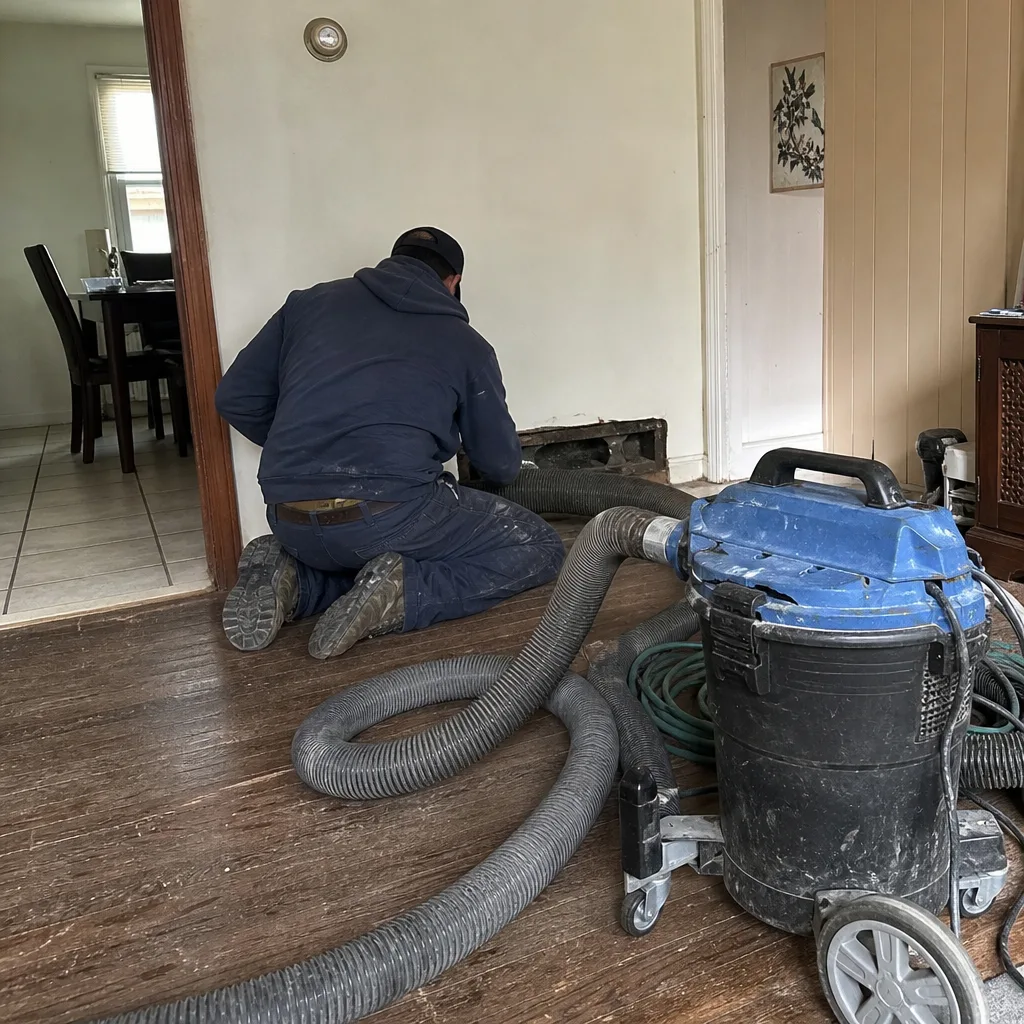 Before
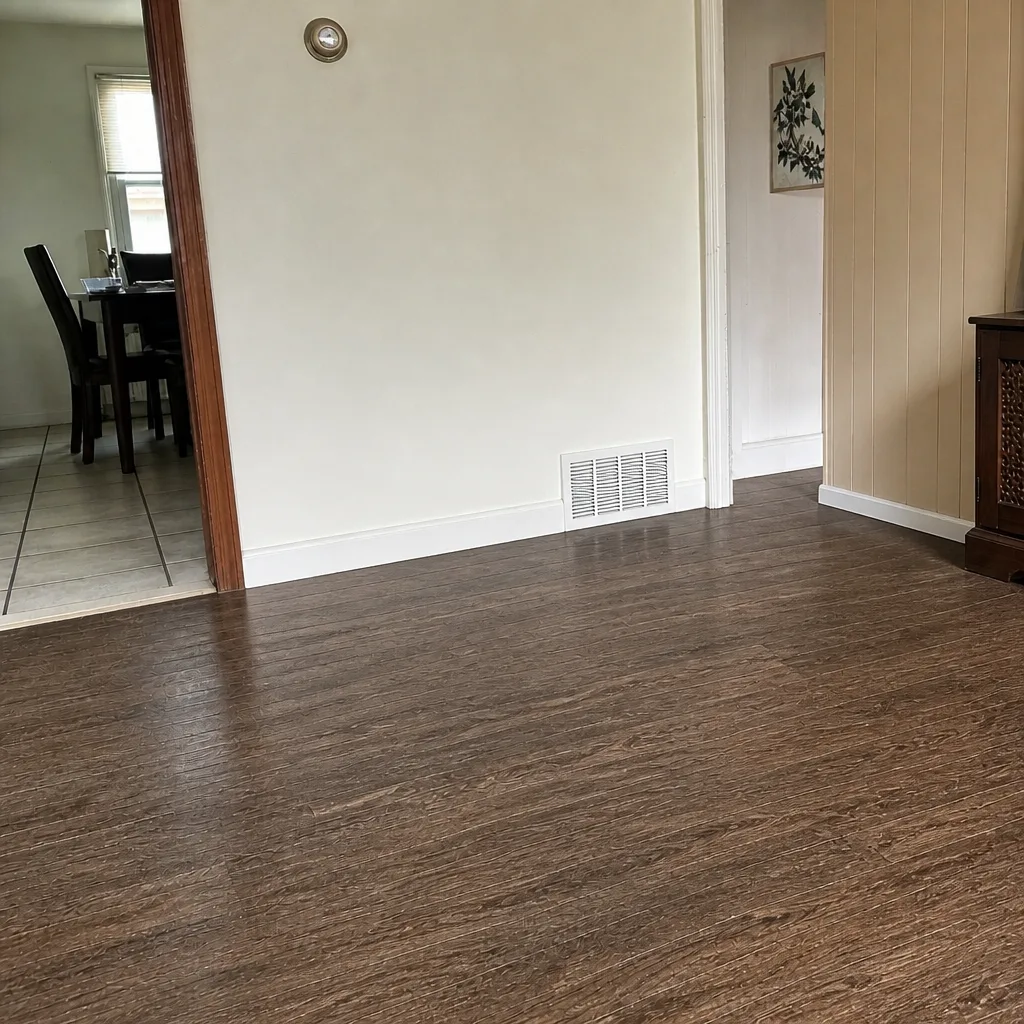 After
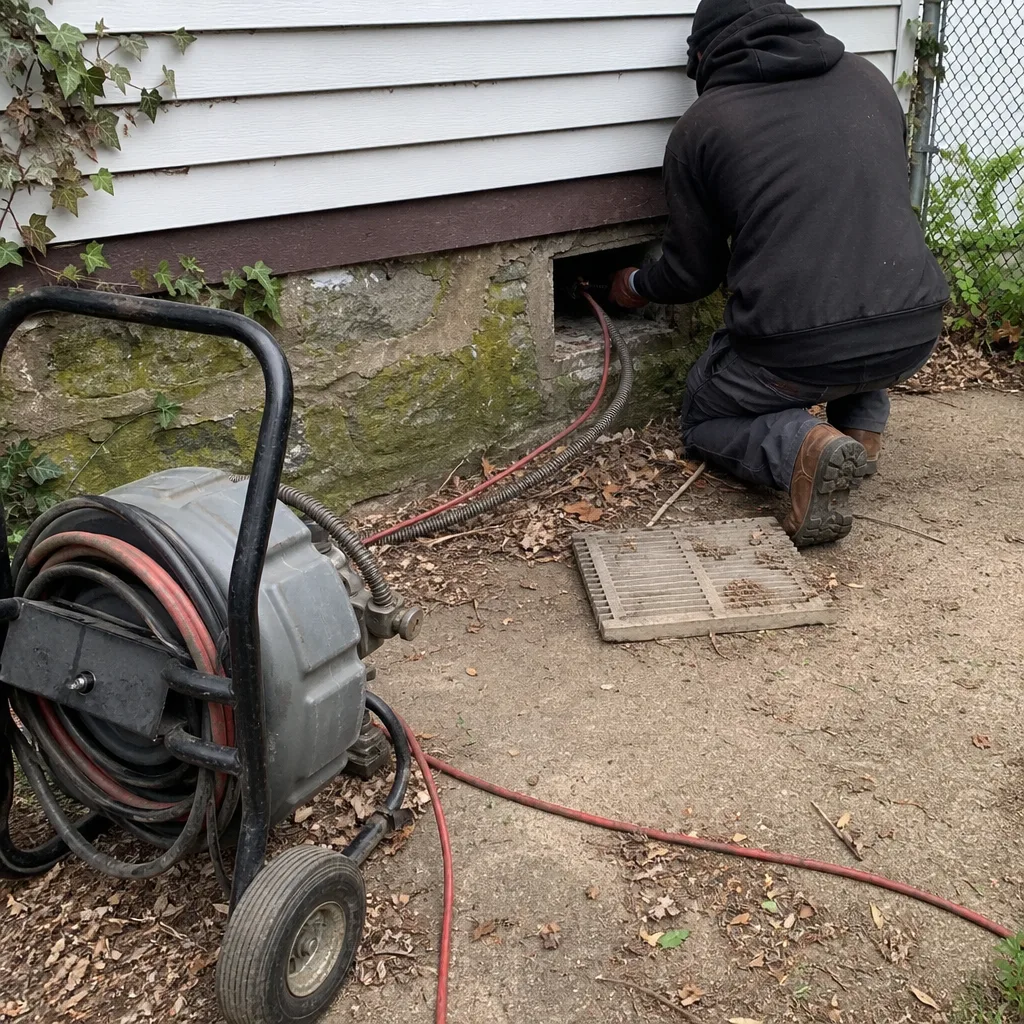 Before
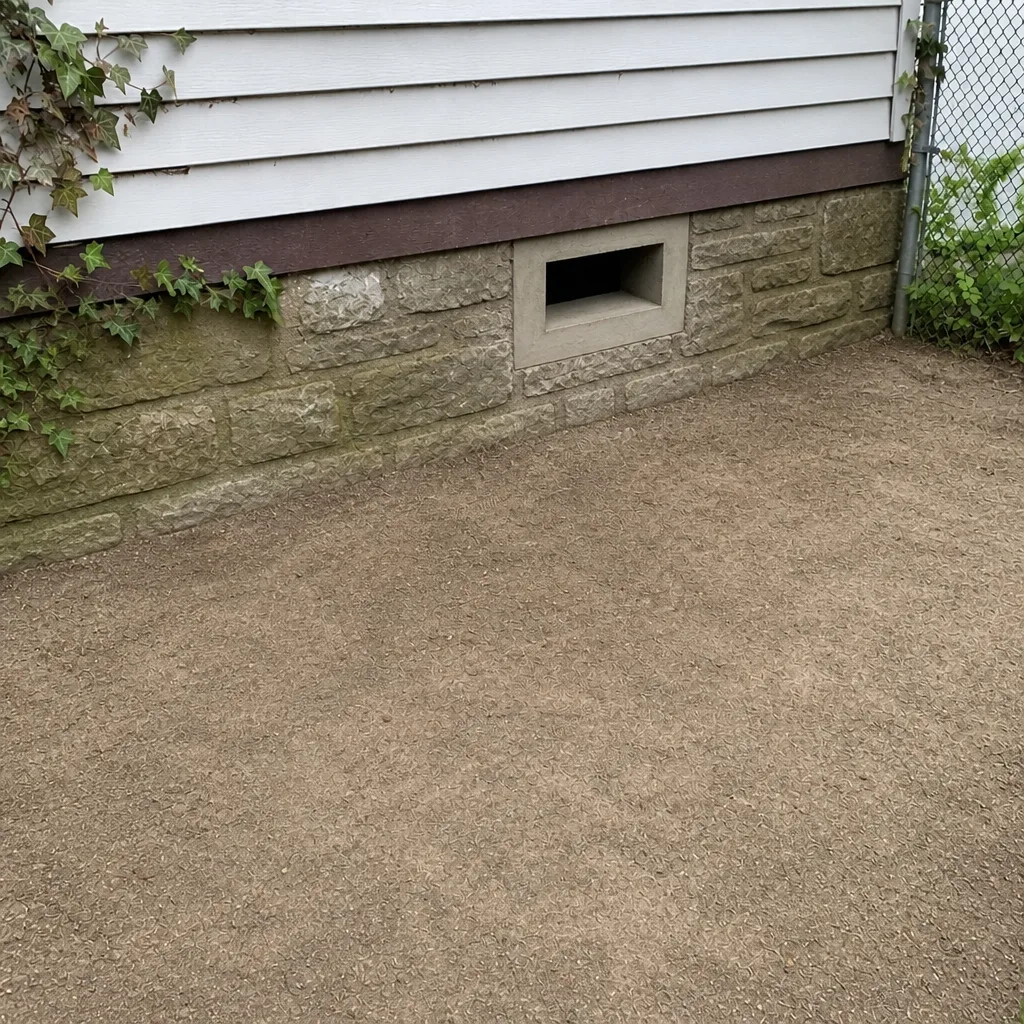 After
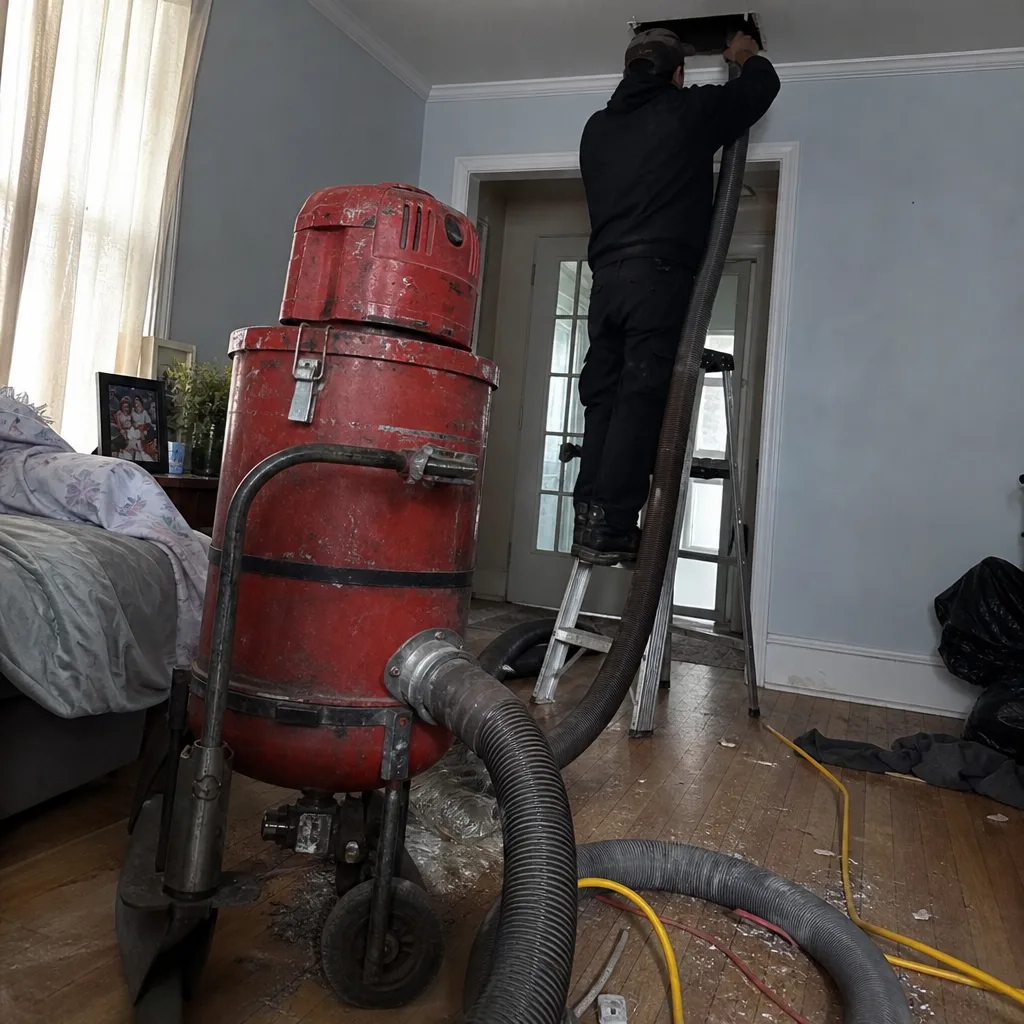 Before
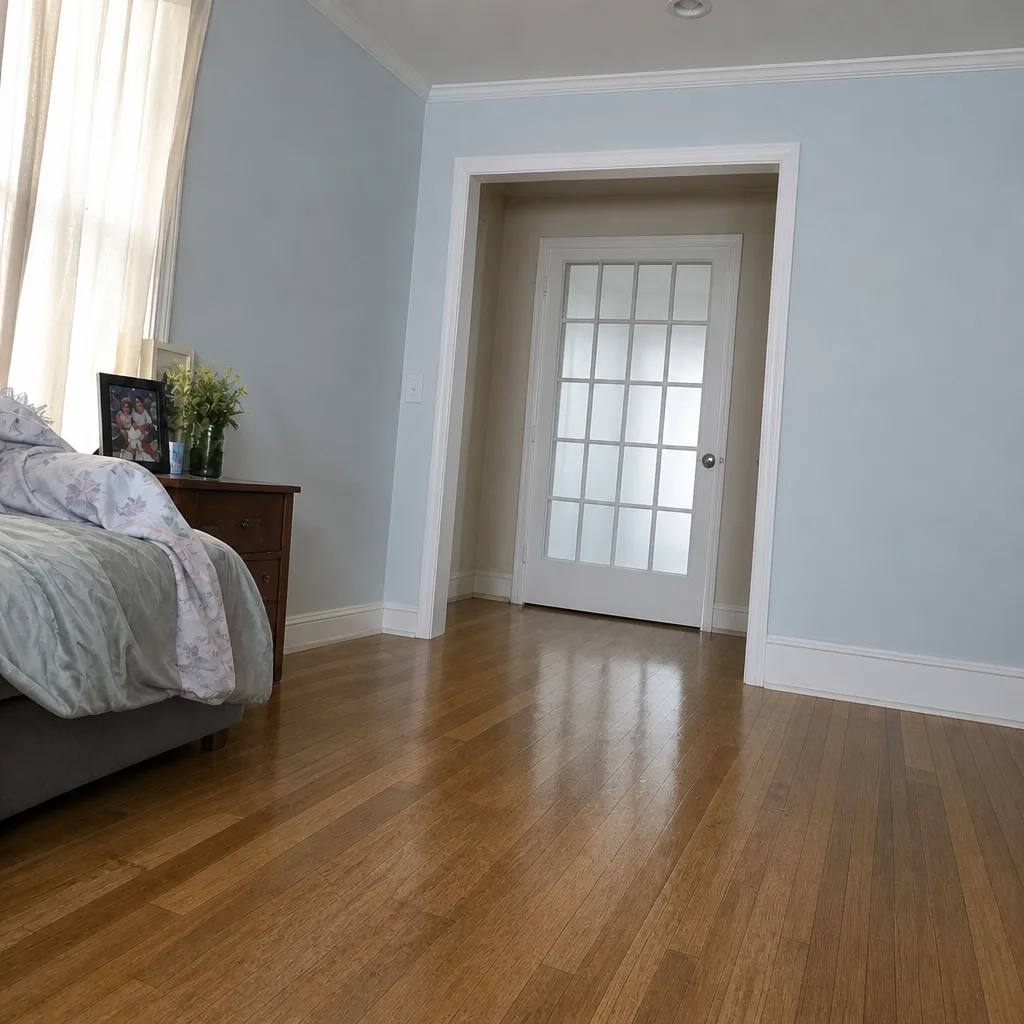 After
Frequently Asked Questions
No. Routine air duct cleaning does not require a permit in Port Richmond or anywhere in New York City. Cleaning is classified as maintenance on an existing, permitted mechanical system. Permits only enter the picture when the work crosses into altering the system’s design, replacing major components, or new duct installation. Call (877) 792-6601 for a free estimate – we’ll tell you directly if the scope crosses that line.
Duct cleaning removes debris from ducts that stay in place; duct modification changes the ducts themselves. Cleaning is agitation and extraction. Modification means routing, sizing, adding, or removing duct runs, which qualifies as alteration work and may require a NYC DOB permit. If a technician proposes a change to duct layout during cleaning, that’s the point to ask about permits.
Likely yes, under Local Law 55 if the building falls within its scope and a tenant has reported the hazard. The law requires owners to investigate and remediate indoor allergen hazards, including mold. Routine cleaning alone may not satisfy that obligation if actual growth is present. Documented remediation is the safer path – call (877) 792-6601 to scope it.
Suspect material must be tested before being disturbed. Under NYC DEP and federal EPA rules, disturbance of asbestos-containing material above small thresholds is regulated work requiring certified abatement professionals. Our practice is to pause and flag anything that could be asbestos in pre-1980 homes, then defer cleaning until testing or abatement clears the material.
Keep the written estimate, the final invoice with scope, before-and-after photographs of your own ducts, any permit or inspection records, mold remediation clearances, and asbestos testing or abatement reports if applicable. For resale, this becomes your answer to the Property Condition Disclosure questions. For a claim, it’s the proof that the work was documented. Call (877) 792-6601 for a free estimate and a written scope.
Usually because the scope is narrower than it looks. Low per-vent pricing often skips the air handler, trunk line, and inspection, and it may not include the containment needed for source-removal work. A flat price per system, agreed in writing before work starts, plus before-and-after photos of your own ducts, is the honest approach. Call (877) 792-6601 for a real quote.
The Bottom Line
Cleaning your ducts doesn’t require a permit, but the surrounding work often does. Duct modification needs a NYC DOB permit. Mold growth above minor surface levels triggers remediation protocols. Pre-1980 duct insulation that could contain asbestos must be tested before disturbance. Local Law 55 creates documentation obligations for rental property owners in Port Richmond. And every job – cleaning or repair – deserves before-and-after photographs and a written record, because the paper trail is what protects you at resale, on an insurance claim, and against a future contractor’s guesswork. Know where the lines sit, ask before work begins, and keep the documents. For a free estimate, call (877) 792-6601. We answer 24/7. Fast dispatch from 7am to 7pm, Sunday through Friday.
Written by the team at Air Duct Cleaning Port Richmond.