
Last updated November 24, 2026
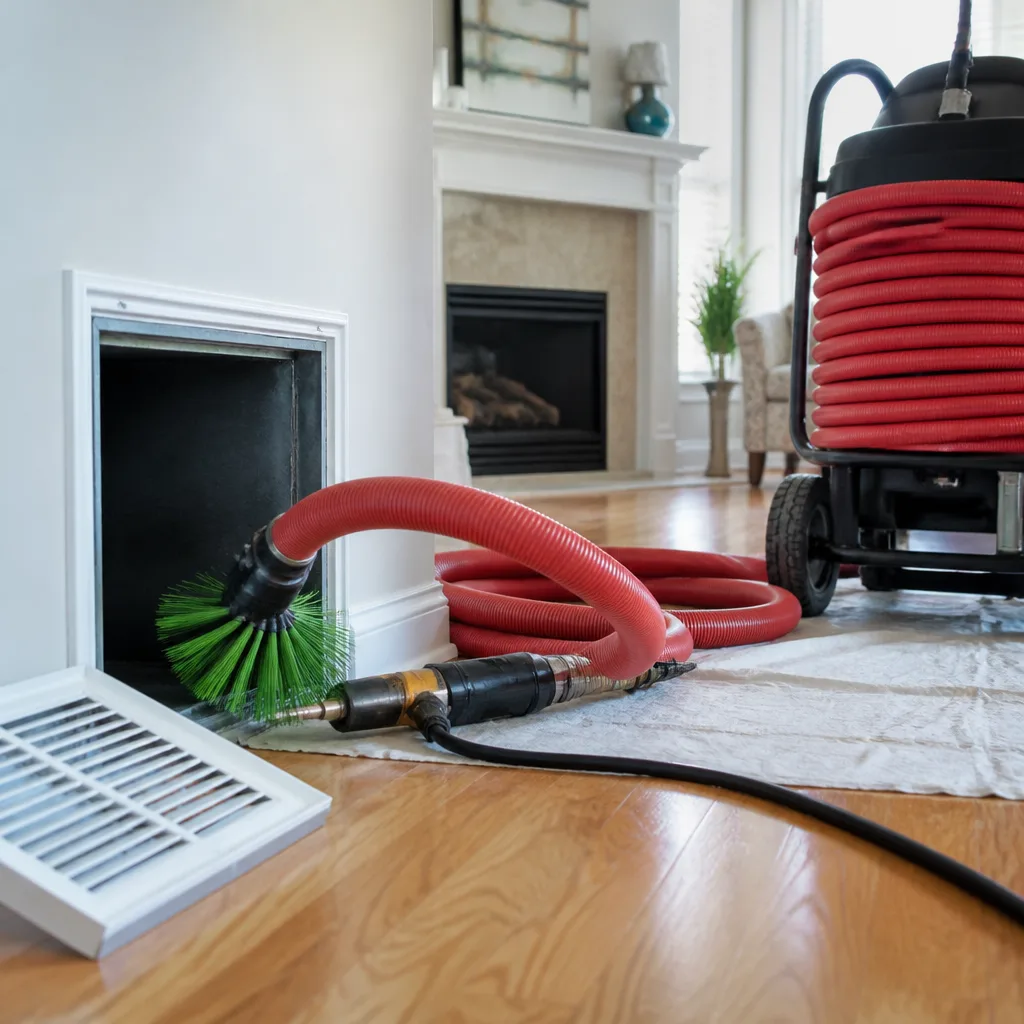 Whole-home duct cleaning
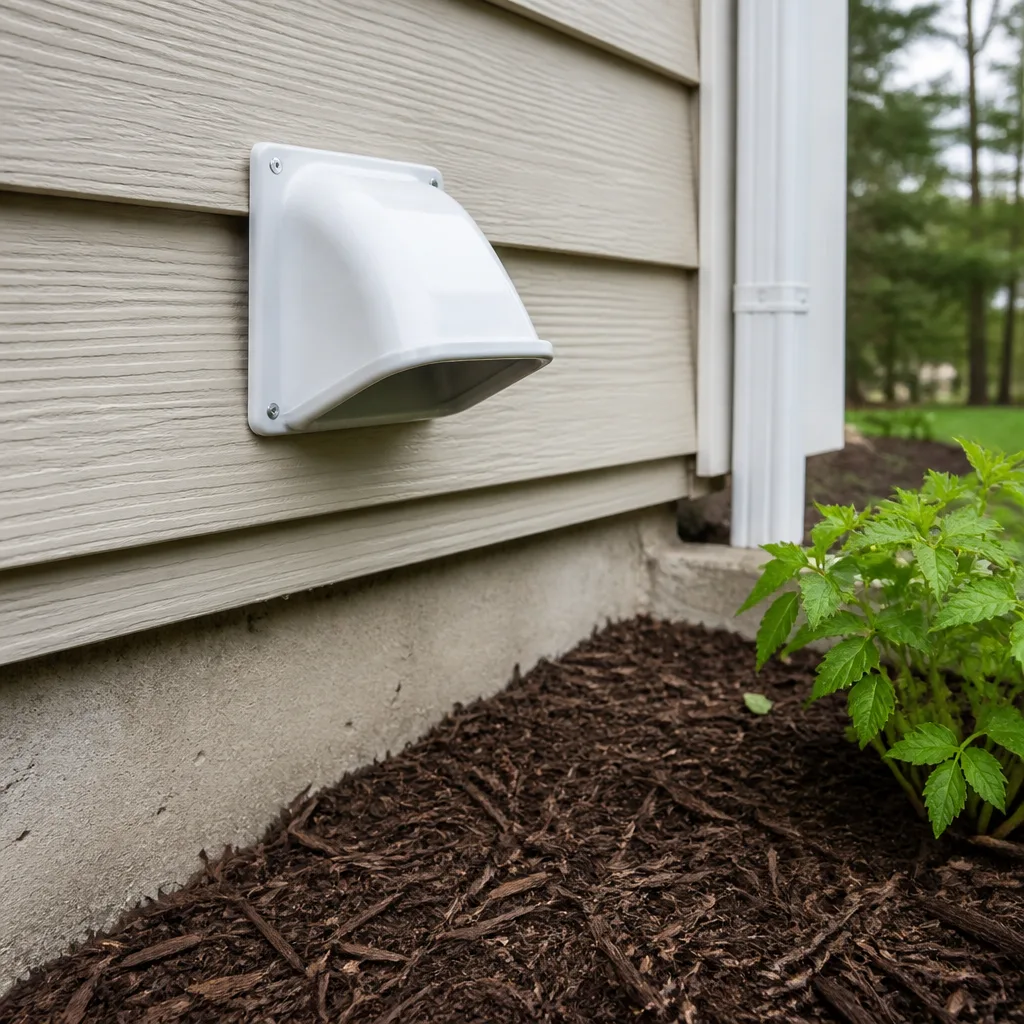 Dryer vent cleaning
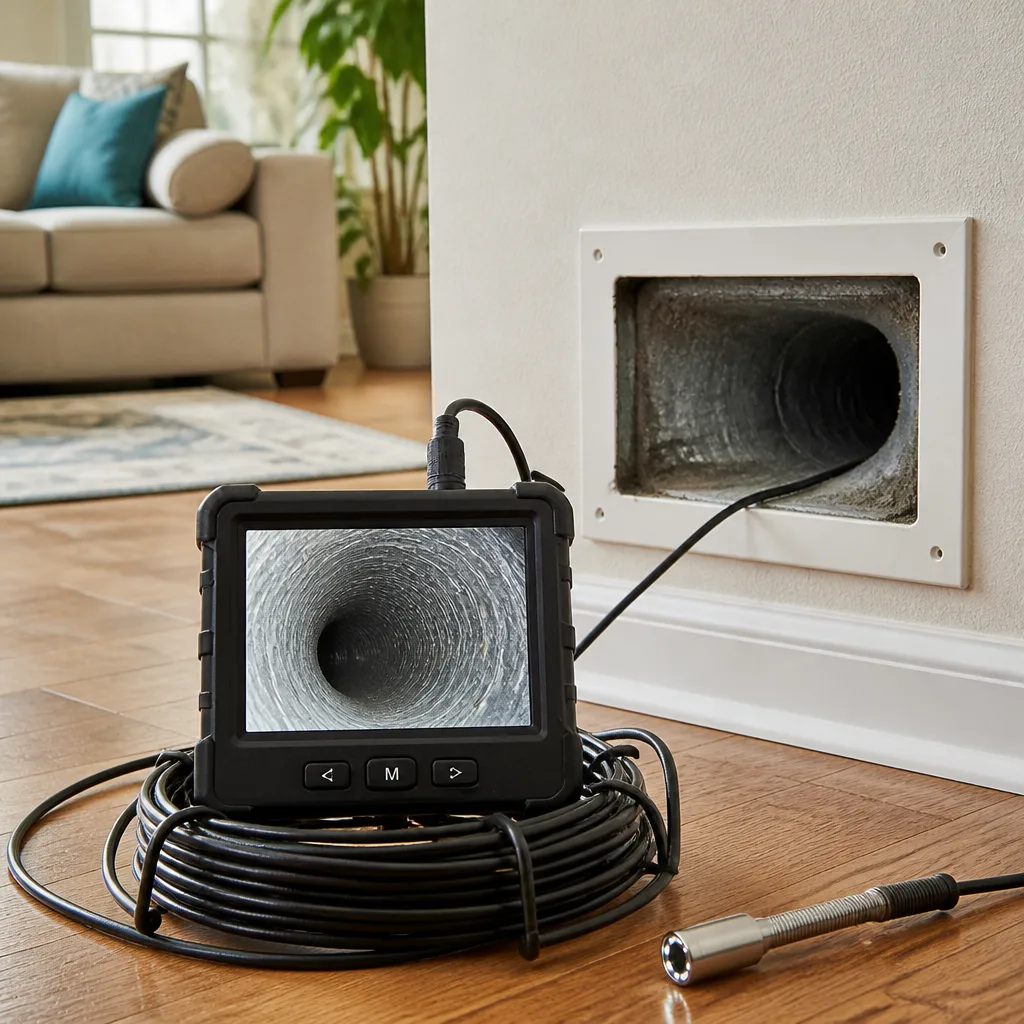 Camera inspection
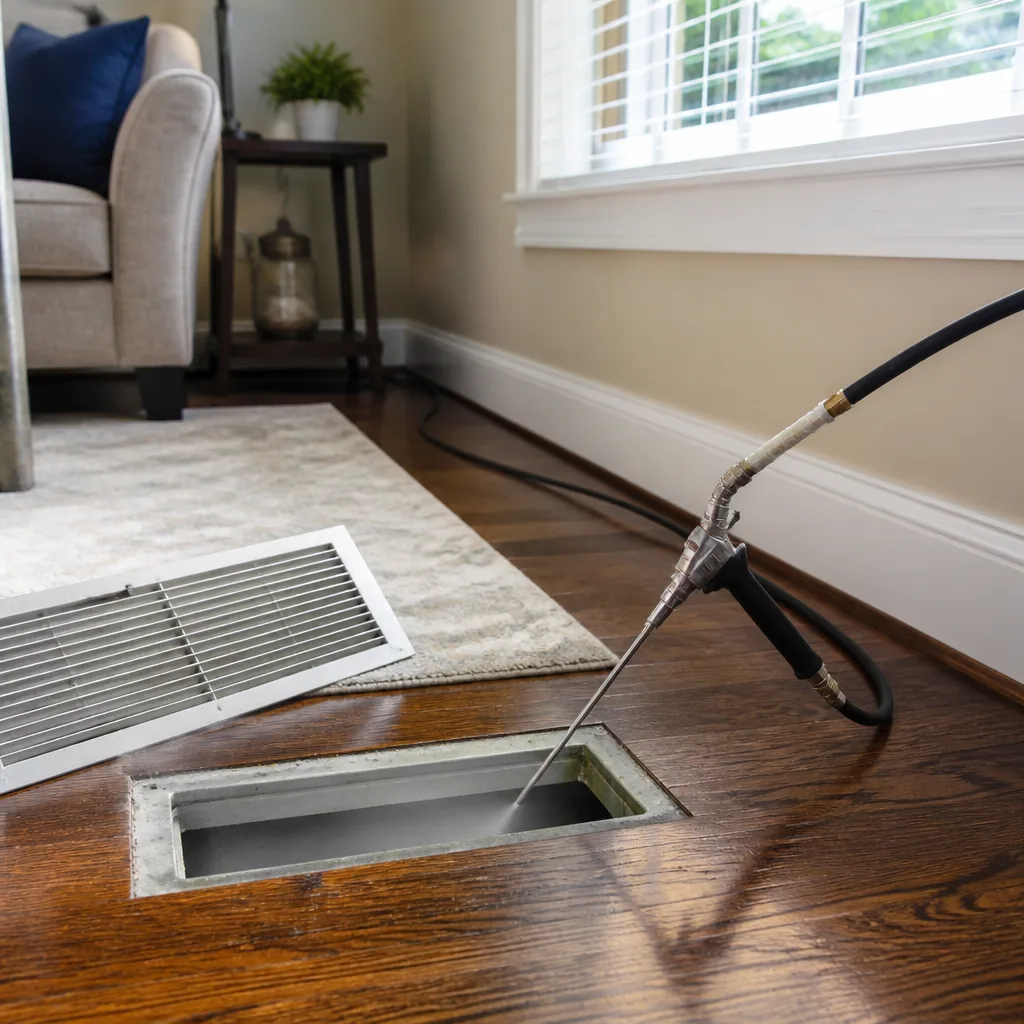 Sanitizing & deodorizing
Whole-system duct and dryer vent check with before-and-after photos - you see exactly what came out of your vents
That "$99 whole-house special" is a bait ad - the real number appears once they are in your hallway, or the "clean" is a shop-vac at the register. We photograph the inside of your ducts before and after instead.
Air Duct Cleaning Emergency Preparedness Guide for Port Richmond Homes
When water enters a Port Richmond basement, the furnace and ductwork are usually the last things anyone thinks about. That order is backwards. If the HVAC system ran during or after the flooding, even for a few minutes, the blower can push aerosolized contaminants from a damp crawlspace or flooded mechanical room into every room in the house before the water is pumped out. What follows is written for homeowners and property managers who want to treat the duct system as infrastructure worth preparing, not an appliance to think about only when something breaks. Here is what you’ll learn: the four emergencies that hit duct systems hardest, the specific shutdown protocol after a flood, and the records you should keep on hand before anything goes wrong.
Quick Answer
Emergency duct cleaning is a different job from scheduled cleaning. It focuses on stopping contamination at its source: shutting down the system so it can’t spread debris, containing the affected area under negative pressure, and removing smoke residue, flood-borne silt, or renovation dust before it settles permanently into the duct lining. In Port Richmond, the most important step after water intrusion is to keep the HVAC system off until a technician confirms the mechanical components and ducts are dry and safe to restart.
Styles & brands we work with
- Whole-home duct cleaning
- Dryer vent cleaning
- Camera inspection
- Sanitizing & deodorizing
Table of Contents
- The Four Emergencies That Hit Duct Systems Hardest
- The Post-Flood HVAC Protocol for Port Richmond
- Smoke and Soot: Why Fire Damage Is Not a Standard Cleaning
- The Pre-Emergency Preparedness Checklist
- What Emergency Response Duct Cleaning Actually Involves
- When a System Should Stay Off After an Extended Shutdown
- Common Mistakes to Avoid
- When to Call a Professional
The Four Emergencies That Hit Duct Systems Hardest
Most duct problems are slow: gradual dust accumulation, a small leak at a joint, a return grille that never gets vacuumed. Emergency conditions are different, and four specific scenarios account for nearly every urgent duct situation we’re asked about. Each one changes what the system is carrying, and each one changes what has to be done before the system can be run again.
1. Fire and smoke damage
Smoke travels through a house the same way conditioned air does. It finds every return, every open register, and every gap in the duct seams. Soot particles are acidic and oily, and once they cool and settle on galvanized duct walls or fibrous duct board, they bond. A fire on one floor can deposit residue throughout the whole duct network.
2. Flood and water intrusion
Water and ductwork make a bad combination. A damp duct interior becomes a growth surface for mold, and a waterlogged furnace or air handler can fail catastrophically if it’s energized before it’s dried and inspected. Port Richmond’s low-lying streets near the waterfront are especially exposed to groundwater rise and storm-driven flooding, which is why the shutdown question comes up here more often than in some inland neighborhoods.
3. Post-renovation debris
Drywall dust is fine and abrasive. It coats the blower wheel, clogs filters within days, and settles deep into branch runs where a shop vacuum can’t reach. A renovation isn’t usually called an emergency, but returning a system to service without removing that dust is the same mistake in a slower form.
4. Extended HVAC shutdown
A system that sits unused for months during a vacancy, a seasonal move, or a stretch of renovations can develop a stale, musty interior. In summer heat, condensate that doesn’t drain properly can pool inside the unit. Restarting a system like that spreads whatever grew inside it. Knowing when to call for HVAC cleaning before that first cool morning is part of preparing well.
The Post-Flood HVAC Protocol for Port Richmond
For a Port Richmond home with water in the basement or mechanical room, the correct sequence is short and strict: shut down the system, keep it off, document everything, then get it inspected. Restart sequence matters far more than most people realize.
- Turn the system off at the thermostat and at the breaker. Not just the thermostat. If any part of the air handler, furnace, or ductwork was submerged or saturated, the unit shouldn’t be energized at all.
- Photograph the water line inside the mechanical room and near the ductwork. Note the height the water reached. Those photos are the backbone of a flood claim and the clearest record of what the ducts were exposed to.
- Do not run fans or a portable dehumidifier pointed into the duct openings. Air movement over wet duct surfaces spreads fine contamination through the house rather than drying it.
- Document any residue you can see. Sediment lines inside ducts, water staining, and debris at the registers are all worth photographing before anything is cleaned.
- Call for an inspection before restarting. A technician needs to confirm the ducts are dry, the blower and heat exchanger are intact, and the system has no water trapped in insulated runs or flex sections.
- Clean before you restart, not after. A full air duct cleaning with containment and HEPA vacuum extraction removes silt and settled contamination before air moves again.
Homes near the low docks and older rowhouse blocks in Port Richmond often have ductwork routed through basements and crawlspaces, sometimes as sheet-metal runs with exterior insulation. Those wrapped and insulated ducts can hold water long after the visible floor dries. A moisture check on the duct surface is worth doing even when the water line looked low. If the furnace itself was submerged, that’s a mechanical inspection question, not a cleaning question, and the two should never be confused.
Smoke and Soot: Why Fire Damage Is Not a Standard Cleaning
Smoke damage remediation is a source-removal job built on containment, not a heavier version of routine cleaning. Soot is fine, sticky, and acidic. Blowing it loose with a shop vacuum or blower just redistributes it, and residue that stays on duct surfaces keeps releasing odor every time the system cycles.
What actually happens during smoke remediation
The process starts with a system assessment to map how far residue traveled. Then the work area is put under containment with negative pressure, so dislodged particles are captured at the point of agitation rather than pushed into adjacent rooms. Mechanical agitation breaks the bond between soot and the duct wall. HEPA-filtered extraction removes what’s loosened. A final pass addresses odor at the source rather than masking it.
Where residue hides
- Return air runs and the return plenum, which carry the highest particle loads
- Registers, grilles, and diffusers, which collect residue on the face and inside the boot
- Flex duct, which has to be replaced rather than cleaned when residue has soaked into the liner
- Duct board and interior insulation, which absorb smoke odor and usually can’t be cleaned to a reasonable standard
That last point is the one homeowners push back on most. Sometimes the honest answer is that a section of duct needs replacement, not cleaning. In our experience, saying that up front, with the specific reason attached, is what separates real remediation from a sales pitch. Post-fire air quality products, including filtration upgrades matched to the system, often matter more after a smoke event than at any other time.
The Pre-Emergency Preparedness Checklist
Preparedness for a duct system is mostly paperwork and photographs, and it takes an afternoon. The goal is to walk into an insurance conversation with a clear record of what the system looked like before anything happened.
- Take a dated photo set of the system. Photograph the air handler, furnace, main trunk lines, and every visible register. Include the filter and the condensing unit or venting outside if you have one.
- Keep a file of prior cleaning records. The date of the last cleaning, who did it, what equipment was used, and any before-and-after photos you received. A documented maintenance history supports a claim that the system was in good condition before the event.
- Note the approximate square footage served and how many return registers you have. This helps any technician give an accurate scope of work and helps an adjuster understand what the system covers.
- Save your equipment model and serial numbers. Photograph the rating plate on the furnace or air handler. Paying for a replacement furnace is easier when the age and model are on file.
- Store the file somewhere water can’t reach it. A cloud folder or a safe on an upper floor. A folder in a basement cabinet is the least useful place for flood documentation.
- Know your shutoff locations now. Locate the breaker for the HVAC system, the gas shutoff if you have one, and the main water valve. Knowing where they are is faster than finding them in the dark.
- Write down the number of a duct cleaning company you’d actually trust before you need one. In the middle of an emergency, it’s easy to say yes to the first number that answers.
One detail worth adding: photograph your existing filtration setup. If you’ve added a media cabinet or a Honeywell or Aprilaire filtration product, those photos establish what was installed before the event. Also photograph your dryer vent run if it’s accessible. A blocked dryer vent is its own emergency class, and dryer vent cleaning records belong in the same file.
What Emergency Response Duct Cleaning Actually Involves
Emergency response duct cleaning differs from scheduled service in three areas: the amount of containment, the verification of source removal, and the way the work is documented for an insurance file.
Containment comes first
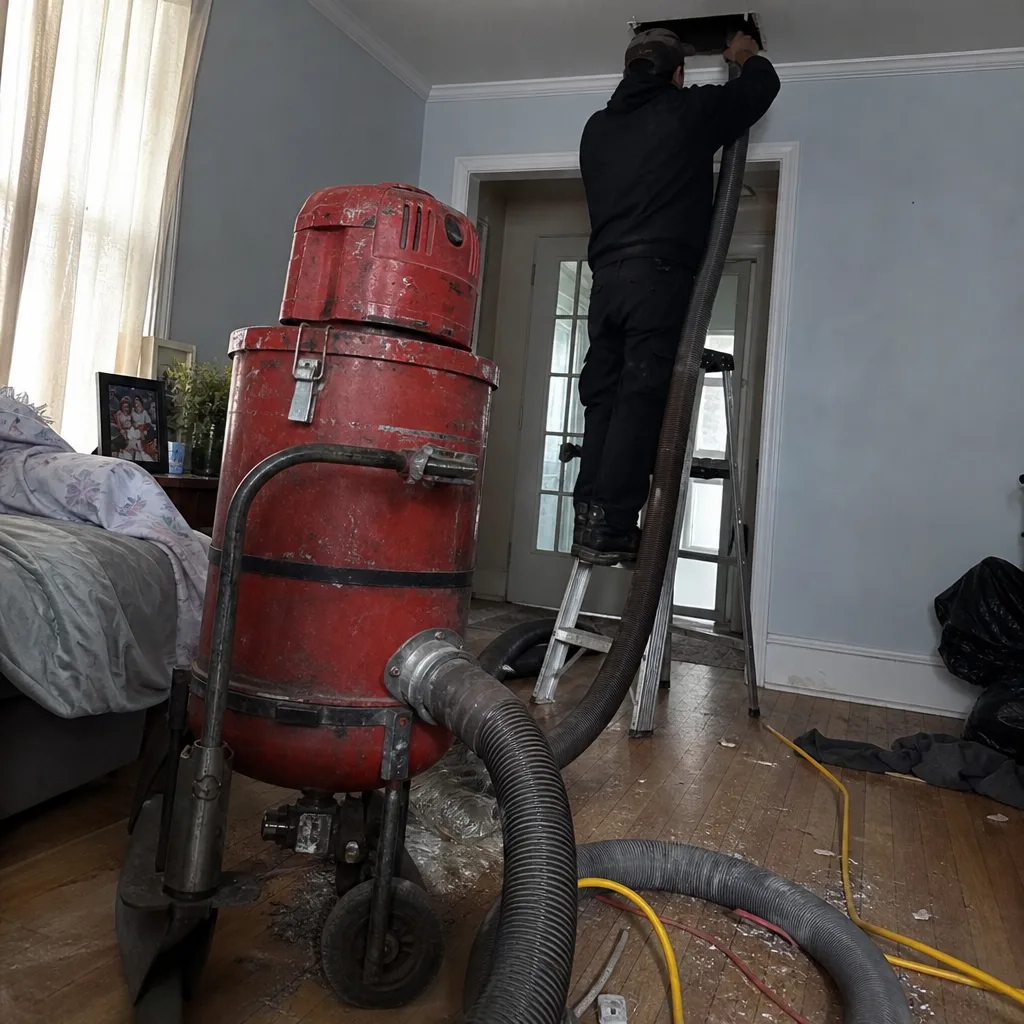
Standard scheduled cleaning uses containment around the work area because dust control is good practice. Emergency response uses containment because the material being removed is genuinely hazardous. Abatement Technologies containment equipment and negative-pressure setups are used here for the same reason they’re used in commercial remediation: to make sure what comes off a duct surface does not end up in the next room. This is also why we use professional-grade Rotobrush and Nikro HEPA vacuum systems rather than shop vacuums. A shop vacuum moves air too fast and captures too little.
Source removal, not surface wiping
- Mechanical agitation with the Rotobrush rotary brush system to lift residue from duct walls
- Simultaneous HEPA-filtered vacuum extraction with Nikro equipment, run under negative pressure
- Containment of openings so extracted material is captured rather than airborne
- Verification photos before and after, so you can see what was removed
- Post-clean sanitizing where residue, odor, or moisture history calls for it, with Guardsman-line protective treatment available as part of that tier
- A written summary useful for an insurance claim
Scope follows the whole pathway
An emergency rarely stays inside one segment of the system. If a fire caused the smoke, soot may sit in the air handler as well as the ducts. If flooding caused the problem, water may have reached the dryer vent run in the basement. A complete air pathway review covers supply, return, and dryer exhaust, which is why the five service categories are grouped: cleaning, HVAC service, dryer vent clearing, duct repair and sealing, and sanitizing. Leaks get found and sealed, not just patched. Then the system is tested rather than assumed fixed.
When a System Should Stay Off After an Extended Shutdown
A system that sat off for months is not automatically safe to restart. The rules below are worth checking before anyone touches the thermostat.
Keep the system off, and call for an inspection, in any of these situations:
- Any part of the air handler, furnace, or ductwork was submerged or visibly wet
- There is standing water in the basement or crawlspace near the equipment
- You can smell musty or mold-like odor coming from a register when you stand near it
- The system ran at any point during or after a flooding event, even briefly
- The house was vacant through a hot stretch and you don’t know whether condensate drained properly
- There is visible debris or dust fallout at the registers after a renovation
Electrical and gas components are where the risk is highest. A furnace that has been wet can short, corrode, or fail in ways a cleaning doesn’t fix, and restarting one without an inspection is not something to do based on a visual glance. Heat exchangers, gas valves, and electrical panels belong to trained technicians, not to a homeowner with a flashlight. We flag that honestly, because the duct cleaning part of the job is often the smaller half of the work.
When the system has been off for a long period without any water event, the check is simpler: replace the filter, confirm the condensate line drains, listen for anything unusual at startup, and schedule a cleaning if the interior of the ducts looks dusty or smells stale. That’s a reasonable place for a homeowner to start. Deeper diagnostic work on a furnace or panel belongs to a trained technician. Once the system is running clean, keeping up with regular air duct cleaning Port Richmond visits is far cheaper than recovering from a problem that went unnoticed.
Common Mistakes to Avoid
- Running the system to “dry it out.” Air moving over wet or contaminated duct surfaces spreads the problem through the house. It doesn’t dry the ducts, and it can pull fine dust into every room before you’ve had a chance to document what was there.
- Calling for a duct cleaning before the water damage is addressed. Cleaning a system while the mechanical room is still wet just puts you back where you started. Dry the structure first, then clean.
- Assuming a shop-vac setup is good enough for post-flood or post-fire work. Consumer vacuums exhaust fine particles back into the room. Containment and HEPA extraction exist for a reason, and emergency work is where that matters most.
- Skipping the documentation. Without dated photos of the water line and the pre-event condition of the ducts, a flood claim gets harder to support. Take the photos before cleanup starts.
- Believing that a duct cleaning alone fixes odor after a fire. Soot that has soaked into flex duct or duct board has to come out with the material. Cleaning residue off the surface doesn’t remove it from the liner.
- Ignoring the dryer vent in flood-prone basements. If the dryer vent run was submerged or crushed, it’s a fire-safety issue on top of a water issue, and it should be cleared and checked before the dryer runs again.
- Restarting without a leak check. A duct system that has been through a water event often develops separated seams and small tears that undercut HVAC efficiency for years. Sealing and testing belongs in the recovery plan.
When to Call a Professional
Call for a professional inspection when water has touched any part of the HVAC system, when smoke or soot has entered the ductwork, when a renovation left visible dust fallout in the registers, or when a system that has been off for months smells musty or won’t restart cleanly. Each of these conditions involves either contamination you can’t see or mechanical components that can be dangerous to energize without a check. Our technicians have up to 14 years of experience, and the first visit is a free estimate rather than a sales call. Air Duct Cleaning Port Richmond offers free estimates in Port Richmond. Call (877) 792-6601. We answer 24/7. Fast dispatch from 7am to 7pm, Sunday through Friday.
See the difference
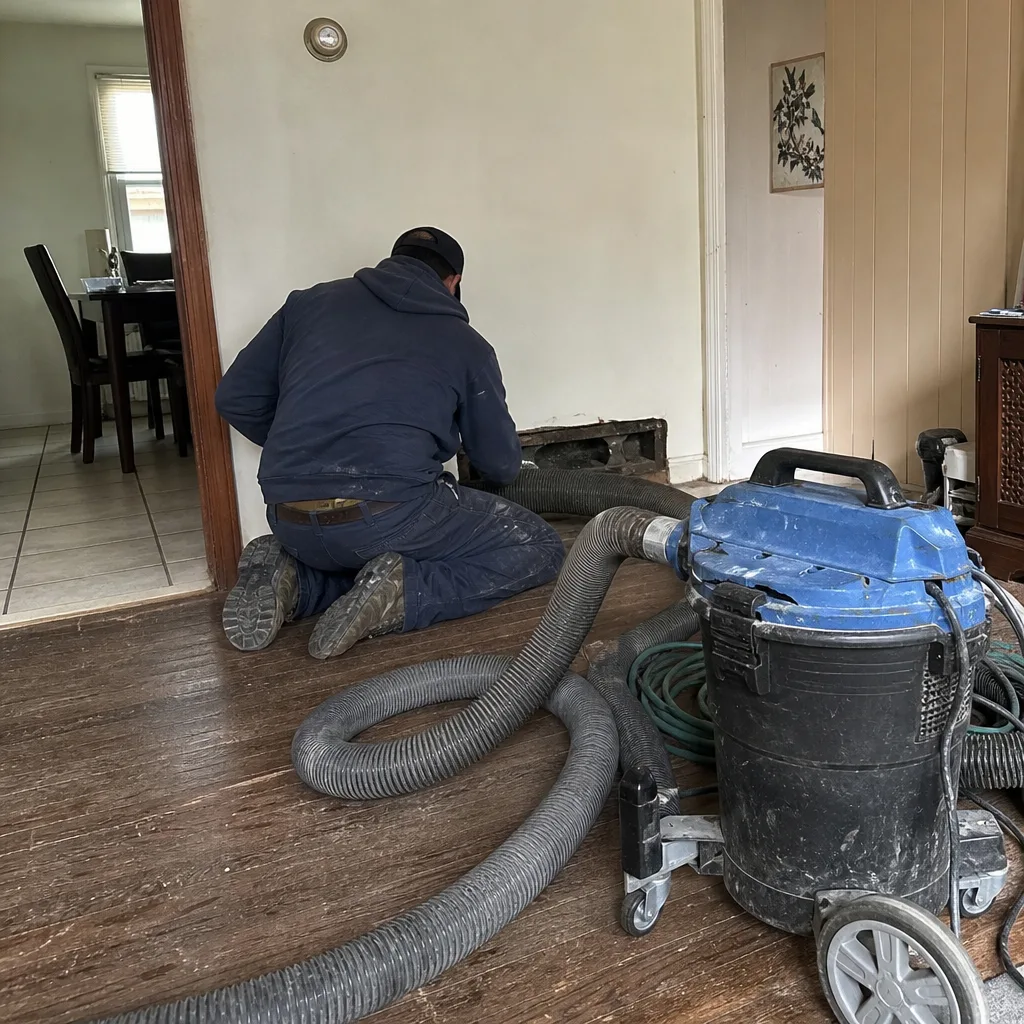 Before
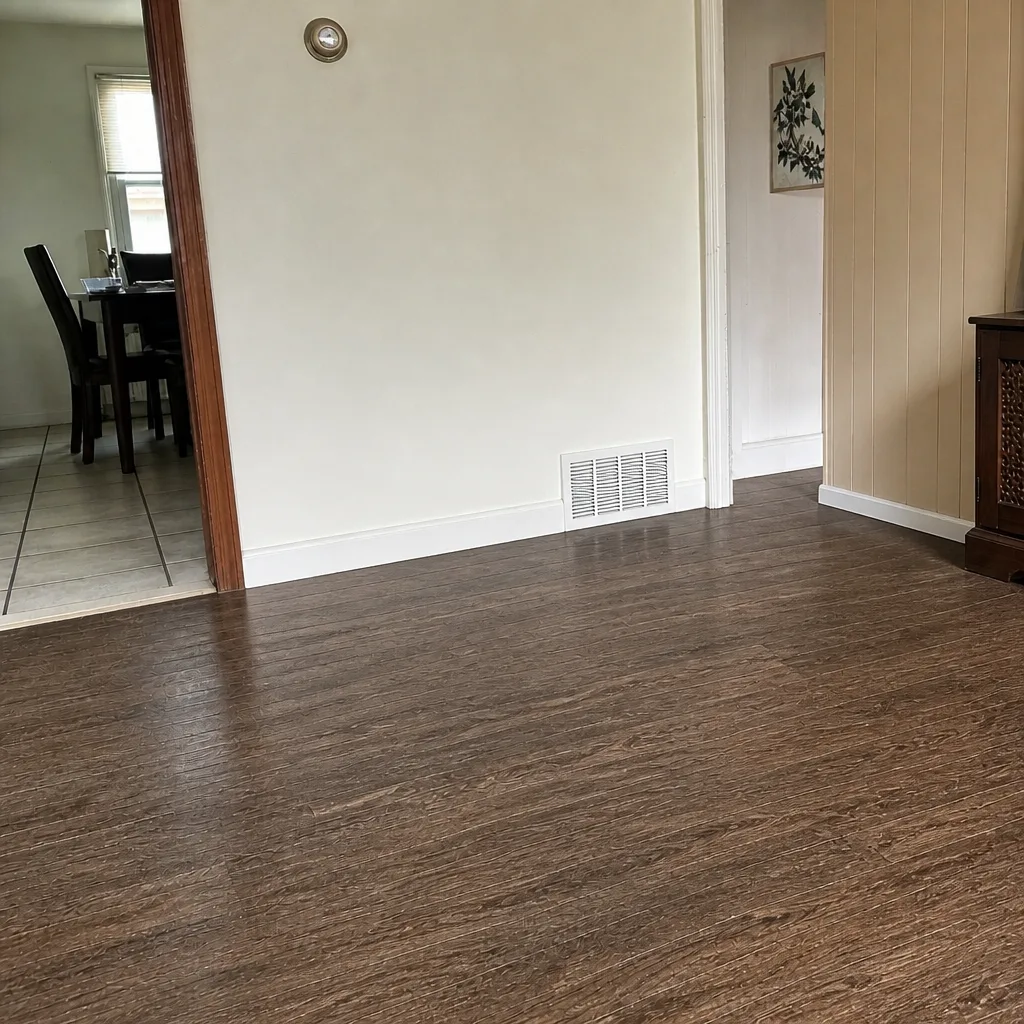 After
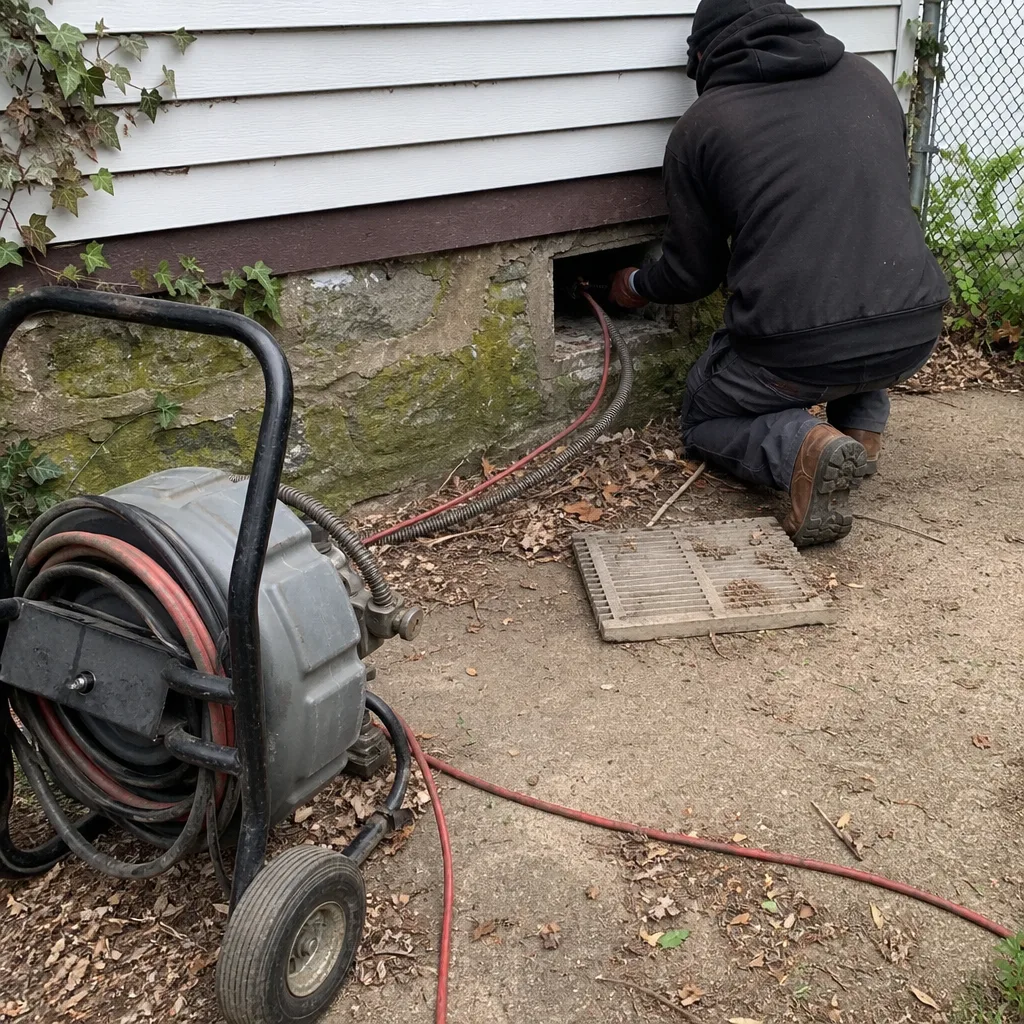 Before
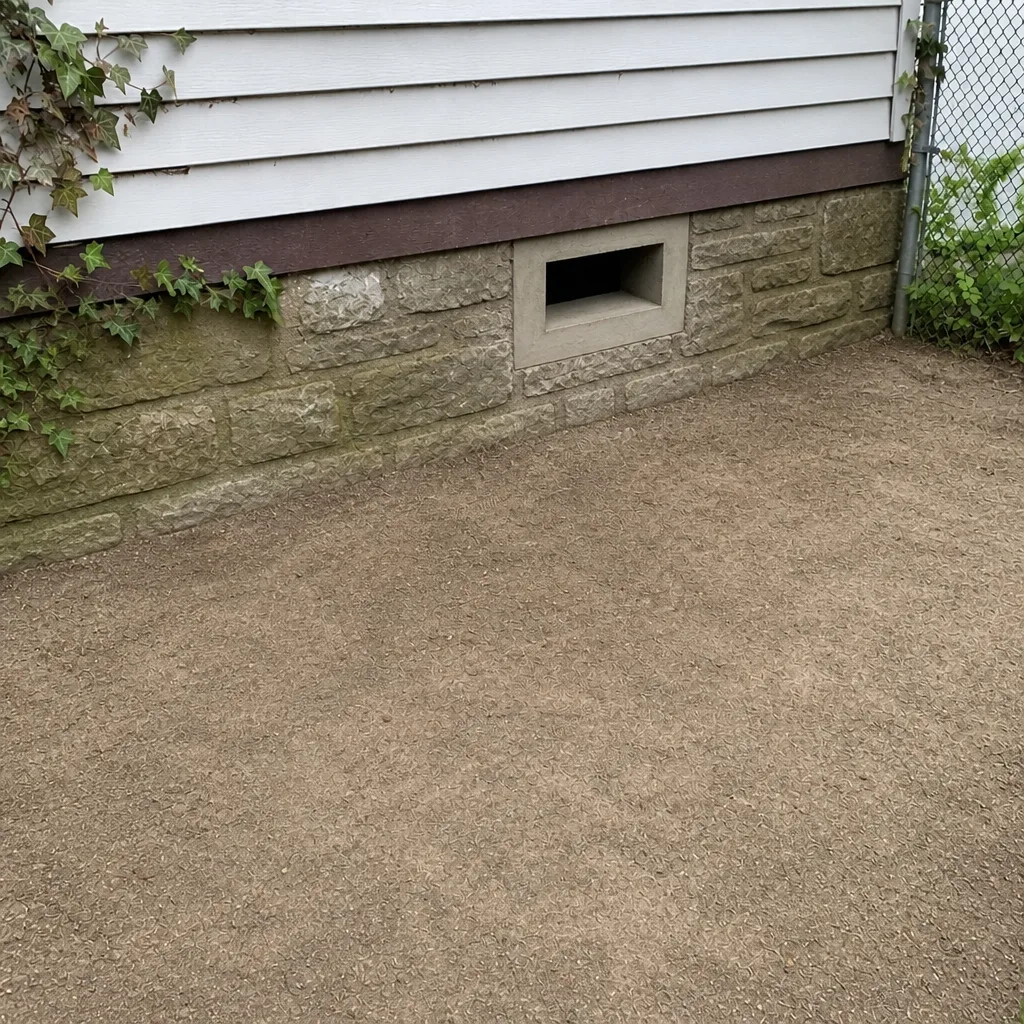 After
 Before
 After
Frequently Asked Questions
It often does, but it depends on the policy and how the damage is documented. Homeowner policies typically address sudden water damage from internal sources and fire or smoke damage, while flooding from outside the home is usually a separate flood policy. The clearest path is to photograph the water line, the duct interior, and any visible residue before cleanup, and to keep prior cleaning records in the same file. Ask your adjuster whether duct cleaning is covered as part of remediation.
No. Keep the system off at the thermostat and the breaker until a technician confirms the air handler, furnace, and ducts are dry and safe to energize. Running the system pulls damp air and fine debris out of a wet mechanical space and spreads it through every room. Wet electrical and gas components also present a real safety risk, and those checks belong to a trained professional.
Yes, in containment, verification, and documentation. Emergency response work uses heavy containment with negative pressure and HEPA extraction, because the material being removed is often hazardous. Standard scheduled cleaning uses the same source-removal methodology but with lighter containment. Emergency work also produces before-and-after photos and a written summary that’s useful for an insurance file. Call (877) 792-6601 for an exact quote. The estimate is free.
As soon as the fire department has released the building and the structure is safe to enter. Soot bonds to duct surfaces and to interior insulation quickly, and the longer residue sits, the more of it needs replacement rather than cleaning. Odor that keeps returning after the system runs is a sign that residue is still in the duct lining. Getting an assessment early limits how much of the system has to be torn out.
Have photos of the water line or visible damage, the date and details of your last duct cleaning, the furnace model and serial number, and a rough idea of your square footage and number of returns. If a claim is open, have the claim number and your adjuster’s contact information on hand. Those four things let the estimate get scoped accurately on the first call instead of a second visit.
It can, if the cleaning is done with source-removal methodology and containment rather than a light surface pass. Many Port Richmond rowhouses have older duct layouts with short runs and shared returns, which makes containment especially important. Sealing leaks after cleaning keeps the improvement in place. Filtration upgrades with Honeywell or Aprilaire products can help maintain it longer. Call (877) 792-6601 for an exact quote. Estimates are free.
The Bottom Line
Treat the duct system as infrastructure, not an appliance. Four emergencies matter most: fire and smoke, flood and water intrusion, post-renovation debris, and extended shutdown. In each case, the right first move is often to shut the system down and get it inspected before restarting, not to run it and hope. Document the system now, while nothing is happening. Photograph the equipment, keep prior cleaning records, and know where the breaker and shutoff valves are. Then the recovery conversation becomes a scope of work rather than a scramble. When in doubt, keep it off and call.
Call (877) 792-6601 for a free estimate. We answer 24/7. Fast dispatch from 7am to 7pm, Sunday through Friday, and we’re closed on Saturday. If a system fails on a Saturday, call and we’ll book you for Sunday.
Written by the team at Air Duct Cleaning Port Richmond.