
Last updated November 24, 2026
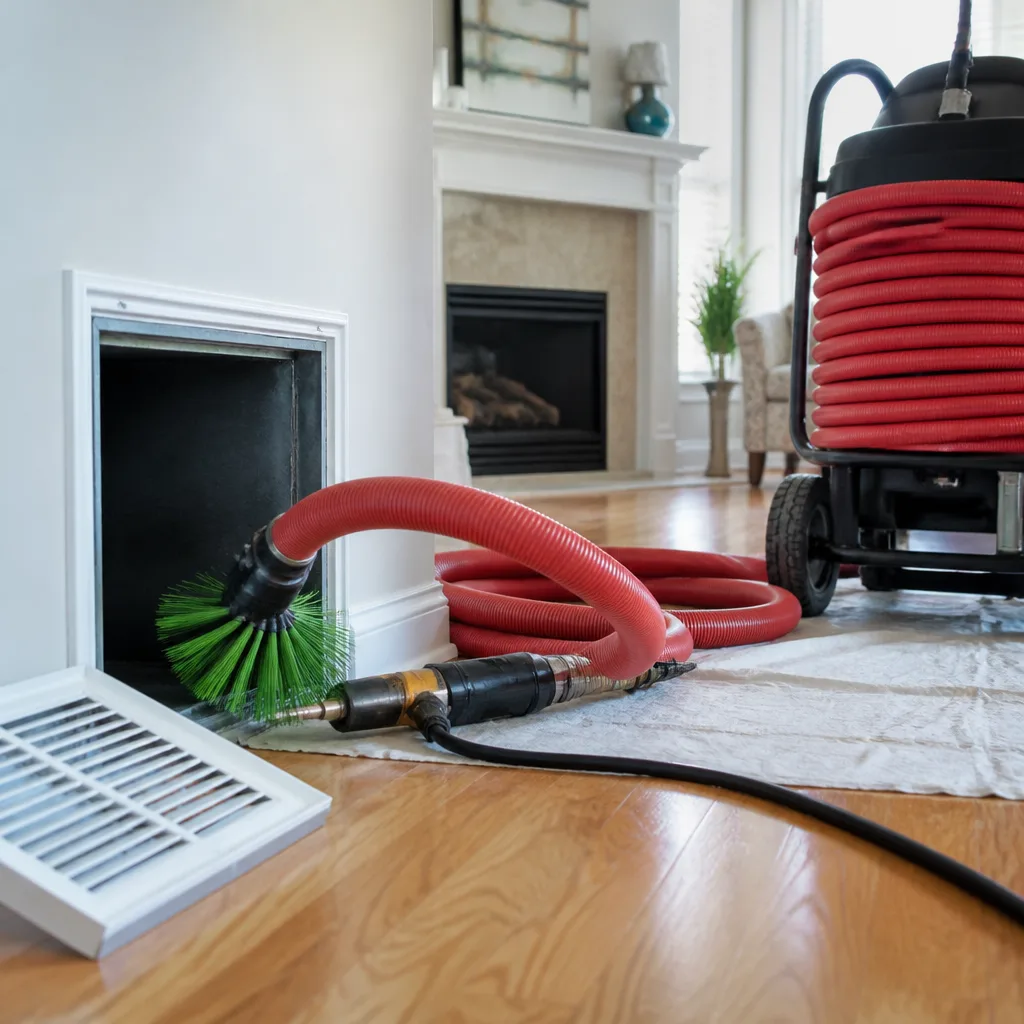 Whole-home duct cleaning
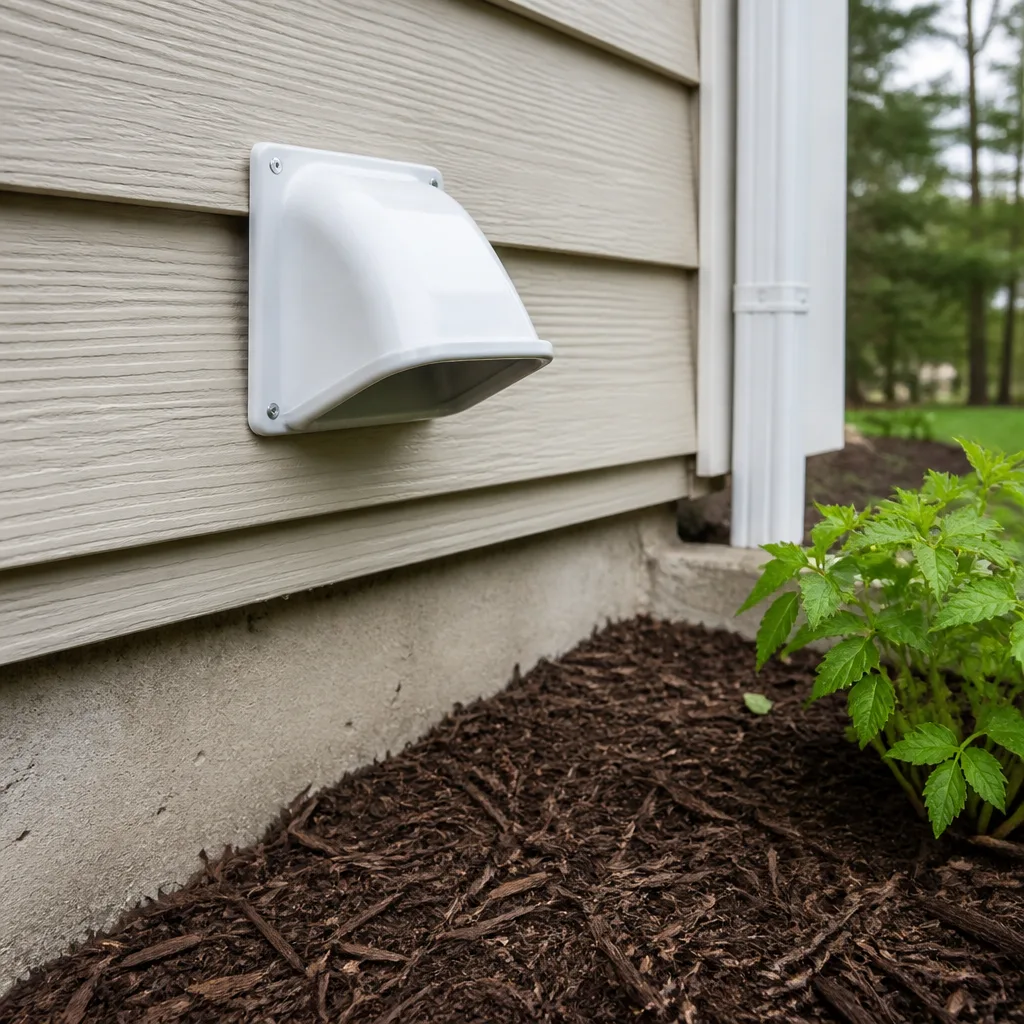 Dryer vent cleaning
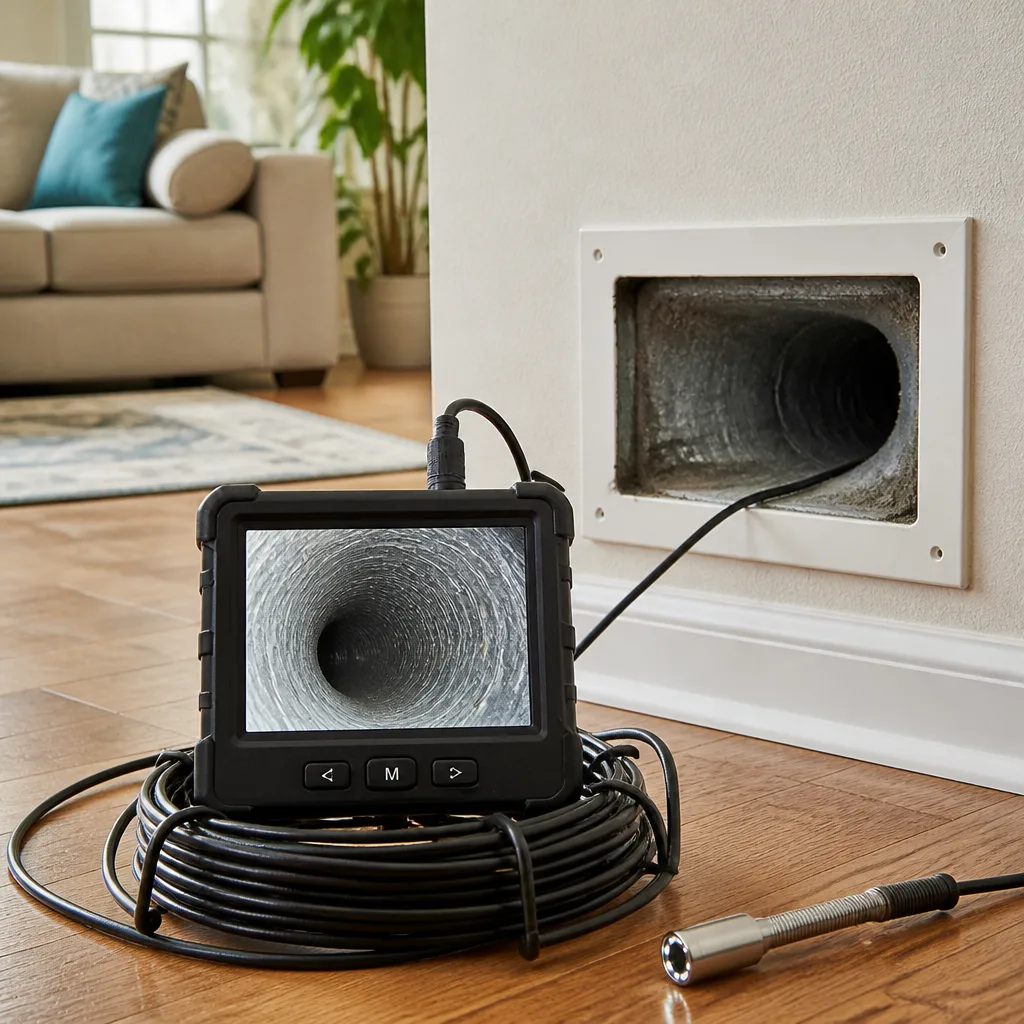 Camera inspection
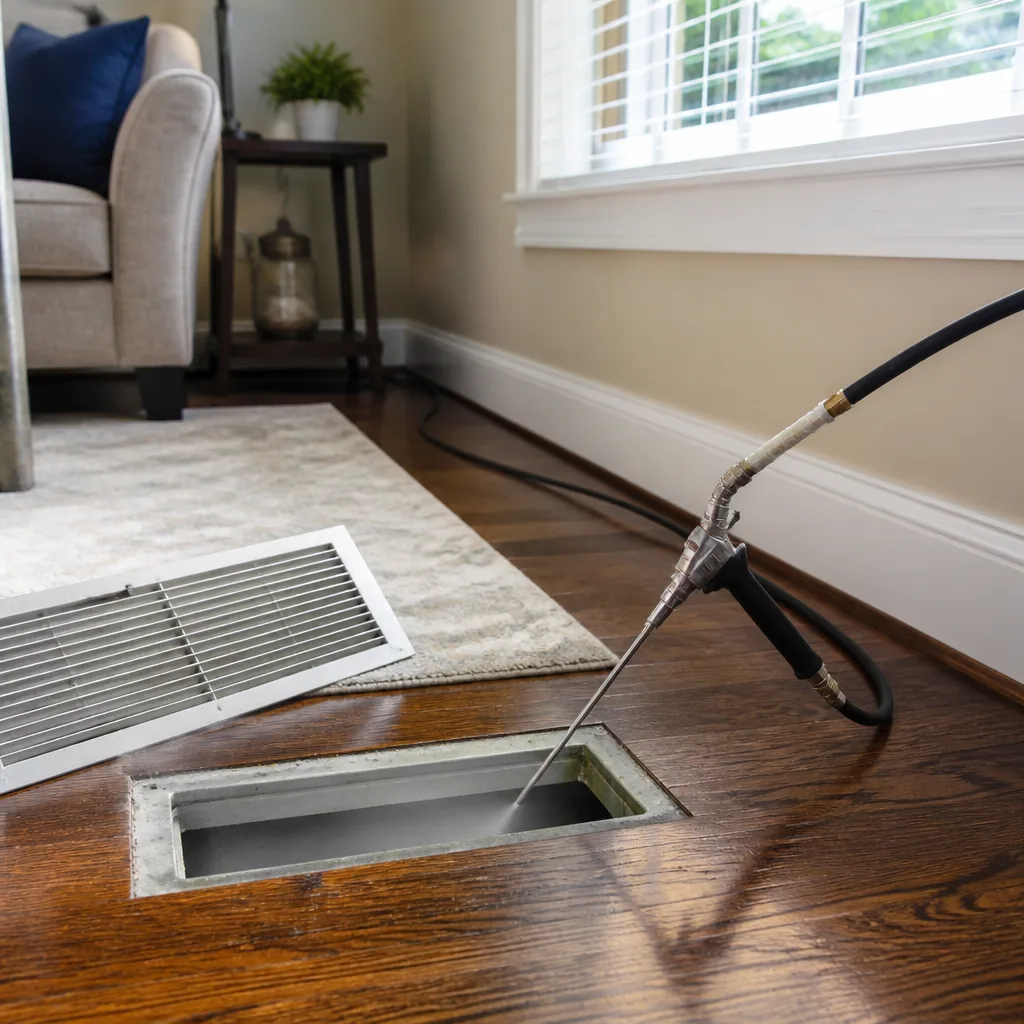 Sanitizing & deodorizing
Whole-system duct and dryer vent check with before-and-after photos - you see exactly what came out of your vents
That "$99 whole-house special" is a bait ad - the real number appears once they are in your hallway, or the "clean" is a shop-vac at the register. We photograph the inside of your ducts before and after instead.
Choosing the Right Air Duct Cleaning Brand: A Buyer’s Guide for Port Richmond
A national franchise name on a van guarantees a consistent sales script, not consistent cleaning quality. That’s the uncomfortable truth about this trade that most buying guides skip past. Franchise systems set marketing standards, logo usage and price sheets, but they rarely set equipment minimums or technician competency floors, and those two things decide what actually happens in your ductwork. We’re an air duct cleaning company in Port Richmond, and we wrote this guide to shift your decision away from brand logos and toward capabilities you can verify before anyone arrives. You’ll learn what equipment specifications matter, which credentials carry weight, and how to tell a real source-removal job from a rushed surface pass.
Quick Answer
The right air duct cleaning company in Port Richmond is the one that can document three things: professional-grade extraction equipment with HEPA filtration, adherence to source-removal methodology with negative pressure and containment, and a written scope of work agreed before the job begins. Company size, franchise affiliation and marketing spend don’t predict any of those. Judge capability, not the badge on the invoice.
Styles & brands we work with
- Whole-home duct cleaning
- Dryer vent cleaning
- Camera inspection
- Sanitizing & deodorizing
Table of Contents
- Why Franchise vs. Independent Is the Wrong Question
- The Capability Evaluation Scorecard: What to Ask Before You Book
- Equipment Class: Why Consumer-Grade Setups Undersell the Job
- The Review Manipulation Problem and Which Signals Actually Count
- What a Credible Pre-Job Process Looks Like
- Why Commercial-Grade Equipment on a Home Is an Advantage
- The Complete Air Pathway: Where Most Companies Stop Short
- Common Mistakes to Avoid
Why Franchise vs. Independent Is the Wrong Question
Most buying guides frame the choice as franchise or independent, as if that binary predicted quality. It doesn’t. A franchise owner in Port Richmond can run a genuinely excellent operation with Rotobrush and Nikro equipment and disciplined containment; an independent operator with the same setup can be just as good. And both categories contain companies whose entire model is a discount coupon, a 45-minute visit and a vacuum head run over a few floor registers. The structure of the business tells you nothing about what’s in the truck.
What actually predicts quality is a short list of operational facts you can ask about directly:
- Whether the crew follows NADCA (National Air Duct Cleaners Association) guidance on source removal and works to that standard by name.
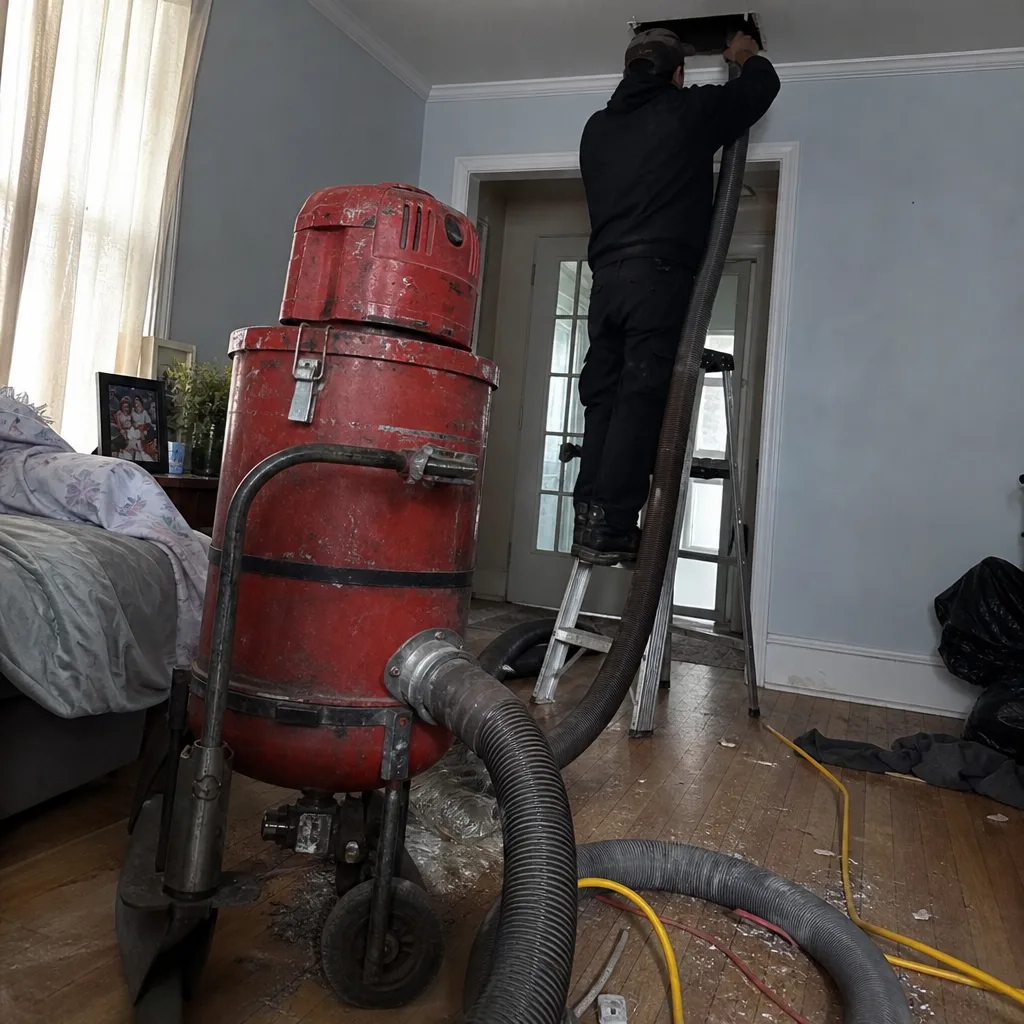
- What class of equipment arrives: portable rotary brush and HEPA vacuum systems, truck-mounted extraction, or a shop vacuum in a padded case.
- Whether negative pressure and containment are used so dislodged debris is captured rather than distributed through the house.
- Whether an inspection camera and pre-scope photo documentation are standard, not sold as an add-on.
- Whether the company can hand you a written scope before work begins.
Those five questions separate operators far more reliably than any brand affiliation. In our experience around Port Richmond, the franchise-versus-independent debate mostly distracts homeowners from asking them. The better framing: ignore the label and audit the capability. A company that can answer all five with specifics is worth talking to. One that pivots to promotions or vague assurances about “state” of cleanliness is telling you something by what it avoids.
The Capability Evaluation Scorecard: What to Ask Before You Book
This is the practical heart of the guide. Before you book any company for air duct cleaning in Port Richmond, run it through the checklist below. Ask by phone or email and keep the answers. A capable operator won’t flinch; a cut-rate one will get vague fast, which is itself the answer.
- Extraction method. Ask whether the vacuum is portable HEPA-filtration or truck-mounted, and what the airflow rating is. Either can do a good job on residential ductwork; the point is that it exists and is matched to the job.
- HEPA filtration type. Ask what filter class the vacuum uses. HEPA-rated filtration keeps fine particulate out of the exhaust stream; without it, you’re breathing what gets pulled out.
- Inspection camera use. Ask whether the crew scopes the ductwork before cleaning and can photo-document conditions. A company that never inspects can’t know what it’s dealing with.
- Negative pressure verification. Ask how containment is set up and whether negative pressure is confirmed during the work. This is the difference between source removal and debris redistribution.
- Written scope and fixed price. Ask for the scope in writing before any work begins. The written estimate should set the final price per system, with no per-vent pricing surprises.
- Equipment shown on arrival. Ask the crew what they brought before they start. A vacuum, a brush system, containment and an inspection tool should be visible on-site, not promised.
- Insurance and credentials. Ask for proof of insurance and for any association membership such as NADCA. A vetted operator keeps those documents ready.
Run the seven-point scorecard and you’ve evaluated twelve companies in an afternoon without reading a single review. That’s the point of this guide.
Equipment Class: Why Consumer-Grade Setups Undersell the Job
Equipment class is the variable that gets glossed over hardest in marketing material. You can’t see it in a review or a logo, and it’s invisible until the job is happening. Here’s the honest version: a shop vacuum and a length of flexible hose can put on convincing theater. It cannot move the air volume required to lift settled debris from the full run of a residential duct system, and it has no HEPA stage, so whatever it lifts tends to go somewhere in the room.
Professional-grade systems are built for the job’s actual mechanics. The equipment we work with is a good illustration of what to look for:
- Rotobrush rotary brush and vacuum systems combine mechanical agitation with simultaneous extraction. The brush dislodges debris from duct walls while the vacuum captures it at the point of contact, rather than letting it resettle downstream.
- Nikro HEPA-filtered vacuum systems provide negative-pressure source removal with filtration rated to trap fine particulate, so the exhaust stream stays clean.
- Abatement Technologies containment equipment handles the setup that keeps dislodged material in the work zone. Abatement gear is used in remediation work, and using it on a home is a signal that the methodology follows the same discipline.
When you ask a company what equipment class it brings, the answer should name real systems and explain the extraction method. Vagueness here is nearly always a shop vacuum in disguise. If the answer is “we have everything we need,” ask what everything means. That single follow-up question will save you from most of the bad operators in Port Richmond.
The Review Manipulation Problem and Which Signals Actually Count
Star ratings in local service industries are not the neutral marketplace signal they appear to be. Ask-to-review prompts, incentivized reviews and purchased ratings are common enough that a five-star average with no texture tells you very little. That’s not a reason to ignore reviews entirely. It’s a reason to treat them as one weak input and weight the verifiable signals more heavily.
Here’s how the hierarchy actually sorts, from strongest to weakest:
- NADCA membership. Membership signals that a company has committed to the association’s source-removal standard. Ask for it by name and verify.
- Verifiable insurance certificates. A real certificate, not a sticker. Ask and receive a copy. A vetted operator provides it without delay.
- BBB complaint history. Reviews can be gamed; structured complaint records are harder to scrub. Pattern and resolution matter more than the absence of complaints.
- Review text with specifics. Written reviews that describe the equipment, the scope and the process carry more weight than star counts. Look for detail, not volume.
- Documented process. Companies that publish how they work, what equipment they bring, and what they inspect have less room to skip steps. Evidence beats assertion.
The pattern is simple: verifiable, third-party-checkable signals beat self-reported ratings every time. When you’re evaluating duct cleaning options in Port Richmond, that hierarchy is what you want in your head.
What a Credible Pre-Job Process Looks Like
You can often tell the caliber of a company before a single tool comes out of the case. A credible operation runs a consistent pre-job sequence, and that sequence is your best early-warning system.
- Site assessment. A quick walk-through to identify system layout, register count, HVAC equipment and any access constraints. Anything that can’t be seen without a camera gets noted for inspection.
- Written scope. A document listing what will be cleaned, what equipment will be used, and what the fixed price is per system. No vague assurances about “full service.”
- Inspection and photos. Scoping the ductwork and capturing conditions before work begins, so you have a baseline. The crew should be able to show you before-and-after photos afterward.
- Containment setup. Negative-pressure containment in place before any agitation begins, so dislodged debris has nowhere to go but into the vacuum.
- Equipment staged on-site. The vacuum system, rotary brush, containment gear and inspection camera visible before work starts. If the equipment isn’t there, it isn’t being used.
In Port Richmond, many homes run forced-air systems through finished basements and finished attic runs, which makes containment and camera inspection more important, not less. A crew that skips those steps isn’t cleaning the ductwork you can’t see; it’s skimming the ductwork you can. Ask for the pre-job sequence and see if the company can recite it. The ones that can have done the work often enough to keep the sequence consistent.
Why Commercial-Grade Equipment on a Home Is an Advantage
There’s a persistent assumption that commercial-grade equipment on a residential job means you’re about to be overcharged. Invert it. Commercial-grade equipment isn’t a pricing signal; it’s a capability signal. The reason commercial and industrial contractors use systems like those from Abatement Technologies and heavy-duty vacuum platforms is that those systems move enough air volume and maintain enough filter integrity to actually remove settled debris from the full duct system, not just the branch lines nearest the register.
That capability has three concrete benefits on a home:
- Extraction thoroughness. Higher airflow and stronger vacuum pressure lift material that a portable shop-grade unit cannot, especially in longer trunk lines and return runs.
- System safety. Properly configured HEPA vacuum systems and containment protect the HVAC equipment and the finished interior from cross-contamination. Underpowered or uncontained setups can redistribute debris into supply registers, which defeats the point.
- Versatility. Equipment that can handle light-commercial ductwork also handles hard-to-reach or heavy-buildup residential systems without needing a second visit or a different crew.
The price question is separate and simpler: a written per-system estimate agreed before work begins. Capability and pricing aren’t the same axis, and conflating them is how homeowners end up with a coupon visit that costs more in the end.
The Complete Air Pathway: Where Most Companies Stop Short
Ductwork is one segment of a longer pathway that runs from your HVAC equipment through the supply and return runs, out to the registers, and in some homes, out the dryer exhaust. Most duct-cleaning companies address the middle of that pathway and stop. A full-scope indoor air quality specialist treats the whole route, which matters in Port Richmond’s older housing stock where HVAC equipment often shares tight space with ductwork that has accumulated years of dust and dander.
What complete air pathway coverage looks like:
- Duct cleaning with source-removal methodology and containment.
- HVAC cleaning of the air handler, evaporator coil, blower assembly and condensate areas, where microbial growth commonly starts.
- Duct repair and sealing. Leaks found by inspection, repaired, and then confirmed. Patched and unverified isn’t the same as sealed and tested.
- dryer vent cleaning, since lint accumulation in the exhaust run is a separate fire risk and a separate airflow problem.
- air duct cleaning supported by post-cleaning filtration updates: Honeywell and Aprilaire products, including Aprilaire filtration and humidity control hardware, bridge the gap between cleaning and long-term air quality.
When a company can handle ductwork, HVAC internals, dryer exhaust, repair and sanitizing as a single service relationship, you get one point of accountability and one consistent standard. If you’re just starting out with the core service, the overview at Air Duct Cleaning Port Richmond is the best place to begin. But the wider point stands for any company you evaluate: ask which segments of the pathway they cover, and which they hand off to someone else.
Common Mistakes to Avoid
- Picking a company by coupon price alone. A discounted visit that rushes through the registers in 45 minutes can leave you with the same dust and a thinner wallet. Ask what the written price covers before you agree.
- Trusting the van instead of the equipment. A franchise logo tells you about a business license, not an equipment class. Ask what systems will be on-site and whether HEPA filtration and containment are used.
- Skipping the pre-job scope. If the company can’t put what it will do in writing, per system, it can’t promise a fixed price. Get the scope before anyone books a visit.
- Assuming reviews can’t be gamed. Star ratings in local service are easy to inflate. Weight NADCA membership, insurance certificates and BBB complaint patterns above a five-star average.
- Letting a cleaning-only company diagnose your ducts. If it only cleans, it won’t find leaks. Leaks in Port Richmond homes with long trunk runs can drain HVAC efficiency; they need to be located and confirmed, not patched and forgotten.
- Confusing speed with service. Fast work isn’t the same as thorough work. If a company’s selling point is how quickly it gets through the house, ask what’s being skipped to make that possible.
- Skipping the dryer vent. Ductwork and dryer exhaust are separate systems, but both sit inside the same “air pathway” logic. A company that only cleans ducts and never touches the dryer vent isn’t covering your whole path.
See the difference
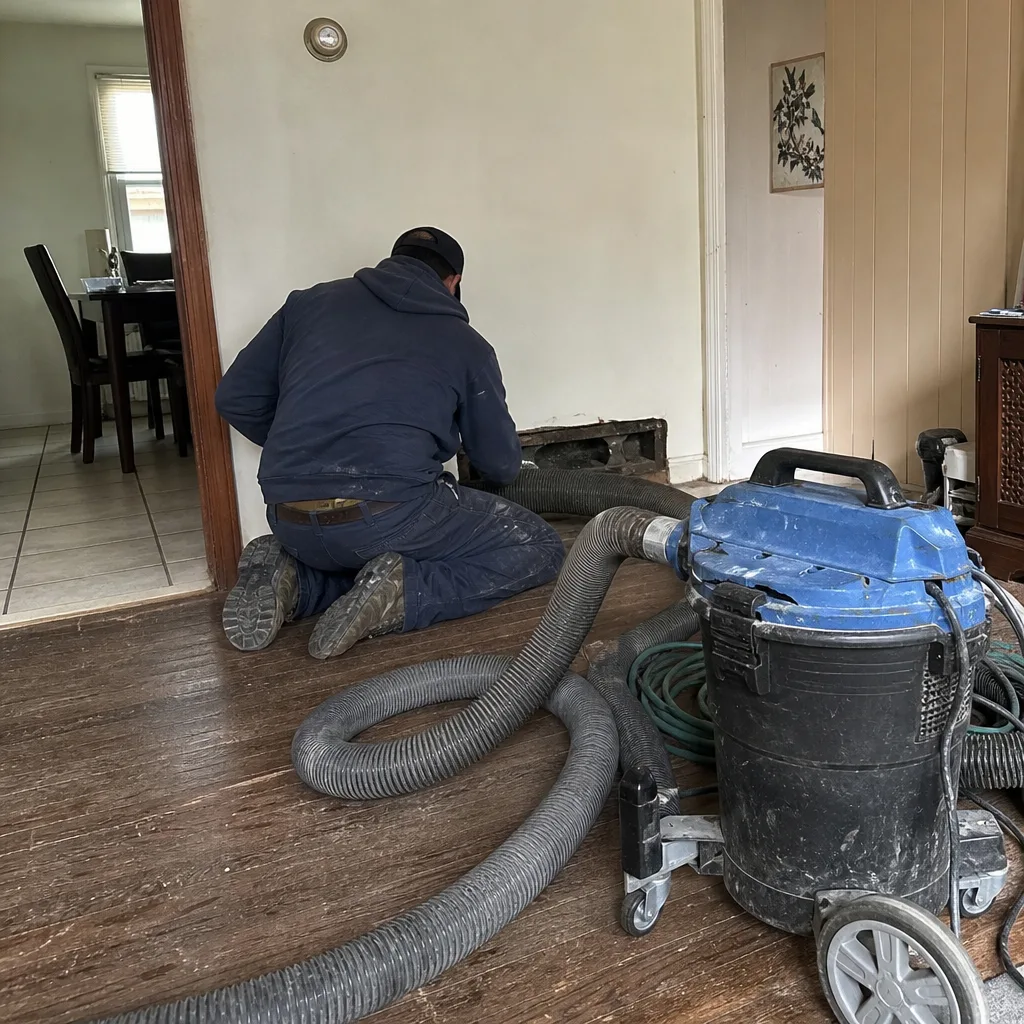 Before
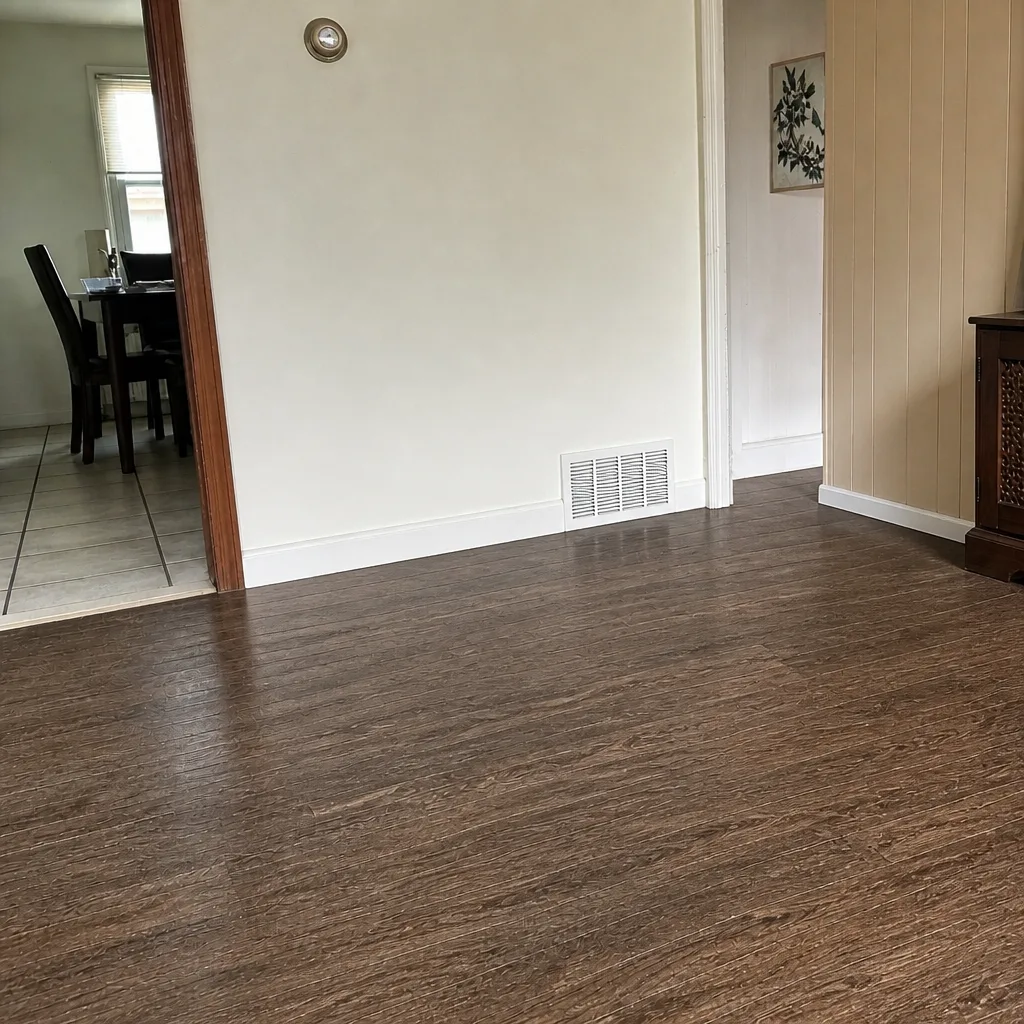 After
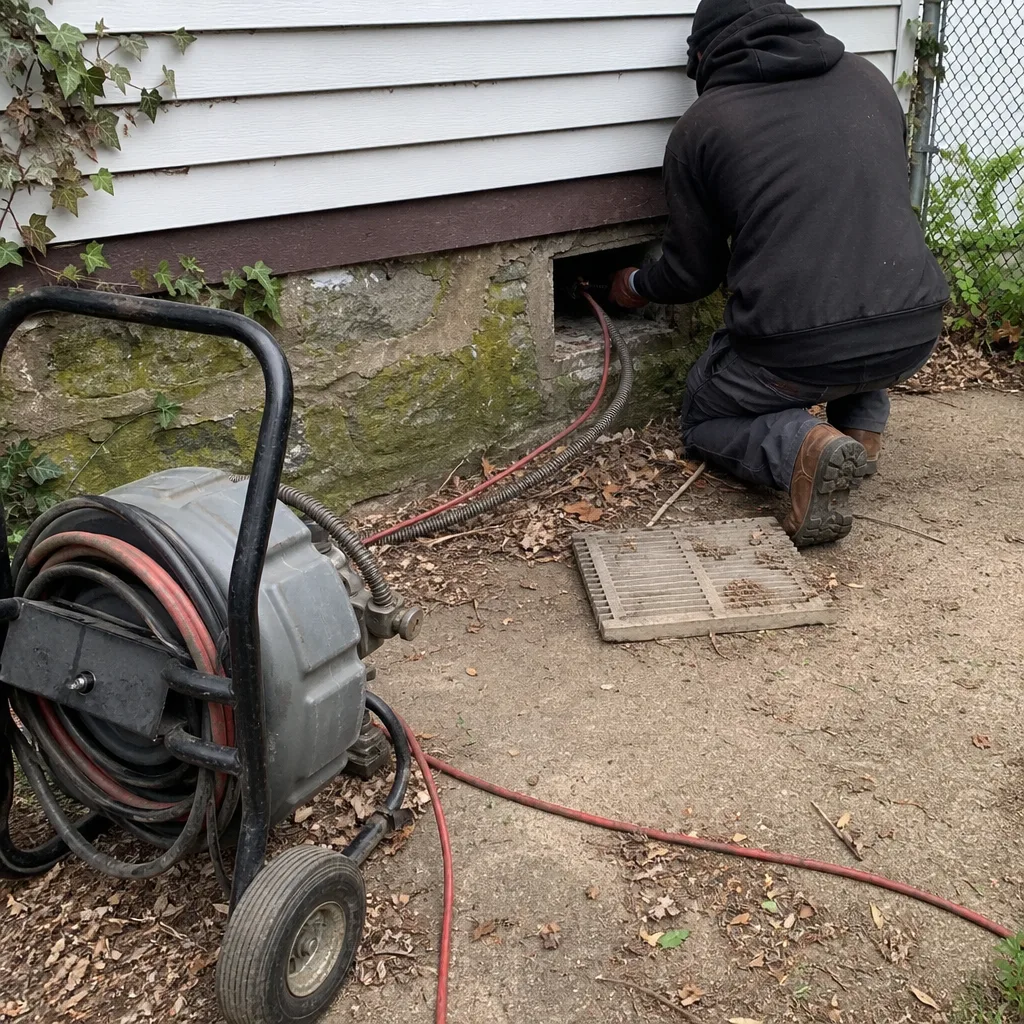 Before
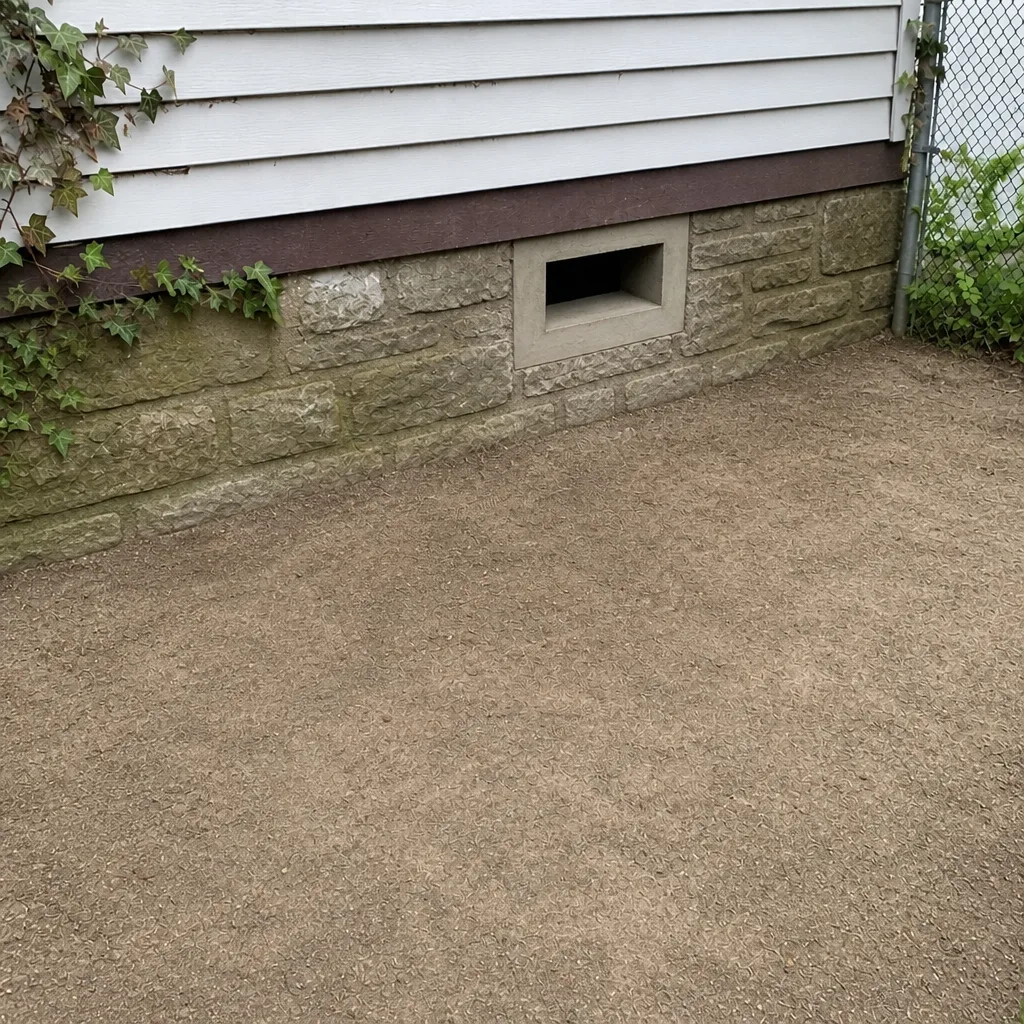 After
 Before
 After
When to Call a Professional
Some signs point clearly to a professional call. If you notice visible dust blowing from the supply registers after the HVAC has run, or persistent musty odors when the furnace or AC kicks on, the system is telling you something is accumulating. Port Richmond homeowners with allergy symptoms that ease when they leave the house are often dealing with the same issue. Rising energy bills with no obvious cause can point to duct leaks that undermine HVAC efficiency; those need locating and sealing, not just cleaning. And any dryer run that takes longer than it used to for the same load is worth inspecting. High-tension components and electrical work in HVAC equipment are not DIY territory; the disassembly and electrical portions of this work need a trained professional. A free estimate is the right first step, and Air Duct Cleaning Port Richmond offers free estimates in Port Richmond. Call (877) 792-6601 to get started.
Frequently Asked Questions
Ask about equipment class, HEPA filtration, inspection camera use, and negative-pressure containment. Then ask for a written scope and a fixed per-system price before work begins. The answers should name real systems and a real process, not just assurances. Those four questions will sift a capable operator from a coupon-driven one faster than any review search.
NADCA membership is a real signal, not a marketing label. It commits a company to the association’s source-removal standard and signals that its process follows that discipline. That said, membership is not a guarantee of every job; pair it with a request for the written scope and equipment list. A company that holds the membership and can document its process is stronger than either alone.
Cheaper quotes usually reflect less equipment, less time and fewer steps. A shop-grade vacuum with no HEPA stage and no containment setup is cheap to run. A crew using professional-grade rotary brush and HEPA systems with containment takes longer and costs more to operate. The real question isn’t the number, it’s what the number covers. Ask for the scope, then compare what’s in it. If it doesn’t mention containment or HEPA, that’s where the discount came from.
Before-and-after photos of your own ductwork, taken with an inspection camera, are the clearest evidence. Ask for them as part of the scope. A company that can’t provide them is asking you to take the visit on faith. Combined with a written scope and a fixed price, the photo record closes the loop: you can verify what was done without climbing into the crawlspace yourself.
Yes, and most do. A duct-cleaning-only company has no diagnostic step for leaks, so it cleans the duct surfaces and leaves the holes. Leaks found and repaired, then confirmed sealed and tested, are a separate service scope. If your HVAC efficiency has been falling, ask specifically whether the company can identify, repair and verify duct sealing. A cleaning-only crew can’t answer that, and the energy savings from sealing only arrive if it’s done.
Most homes don’t need it on a rigid schedule. It’s a condition-based decision: visible debris, musty odors, recent renovation or persistent allergy symptoms are the usual triggers, plus ongoing filter maintenance as the baseline. If a company is pushing an annual cadence without inspecting your system first, that’s a sales pattern, not a diagnostic. Ask for an inspection and a scope based on what the camera shows. Call (877) 792-6601 for an exact quote; estimates are free.
The Bottom Line
Duct cleaning is a capability decision, not a brand decision. The variables that predict a good job are equipment class, HEPA filtration, adherence to source-removal methodology, inspection discipline and documented credentials. Franchise affiliation, company size and marketing spend don’t track any of those. Evaluate the seven-point scorecard, weight the verifiable third-party signals above star ratings, and require a written scope and per-system price before anyone starts work. Run the Port Richmond search the same way you’d run any engineering comparison: name the variables, get the facts, and skip the logos.
Air Duct Cleaning Port Richmond brings professional-grade Rotobrush, Nikro and Abatement Technologies equipment to residential and light-commercial jobs, and our technicians have up to 14 years of experience. We work from a complete air pathway scope: duct cleaning, HVAC cleaning, dryer vent cleaning, duct repair and sealing, plus sanitizing and air quality upgrades with Honeywell and Aprilaire products. We answer 24/7. Fast dispatch from 7am to 7pm, Sunday through Friday. Call (877) 792-6601 for a free estimate and to have your system evaluated before you commit.
Written by the team at Air Duct Cleaning Port Richmond.